New Mexico. Billy the Kid and the Bloody Lincoln County War
The outlaw William H. Bonney (aka Billy the Kid) was a gambler, rustler, and gang member linked to at least nine murders. “The Kid” was already a federal fugitive when he joined the Regulators, a group of ranch hands and local citizens organized to avenge the death of rancher and dry goods store owner John Henry Tunstall who was fatally shot by a posse near Lincoln, New Mexico. Tunstall’s death served as the catalyst for the bloody Lincoln County War (1876-78). My wife and I made a stop in Lincoln on a road trip to California. The town is in the Bonito Valley between the Capital and Sacramento Mountains and about 92 kilometers west of Roswell, NM. Lincoln’s main street is now a segment of U.S. Highway 380 (aka Billy the Kid Trail).
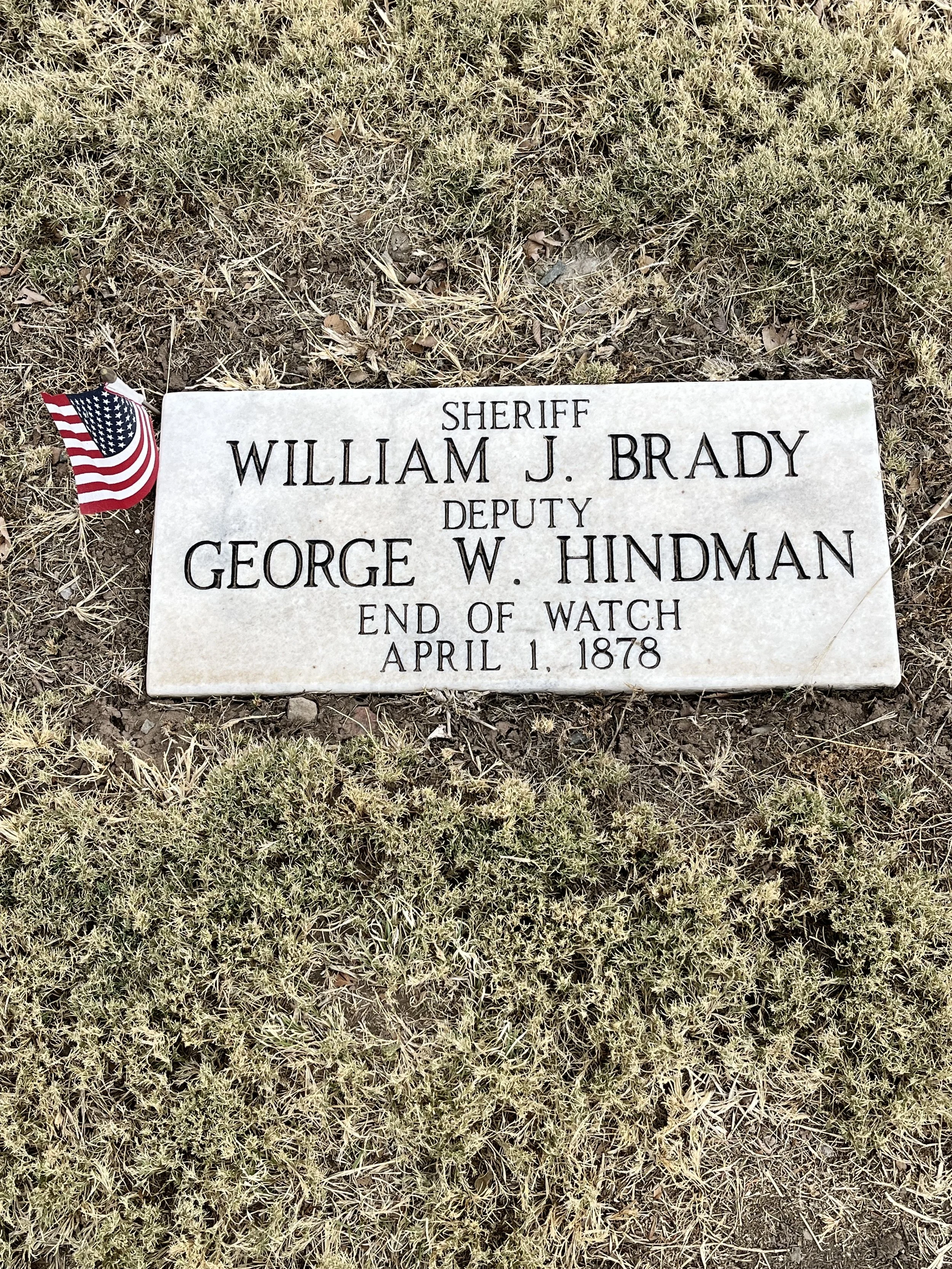
Lincoln was originally known as La Placita del Rio Bonito (“place by the pretty river”). Among the town’s most infamous residents, Billy the Kid was born Henry McCarty in 1859 in Manhattan, New York. Billy’s Irish mother moved the family west when he was young and for unknown reasons, Henry began calling himself William H. Bonney. Wealthy cattle barons such as John Chisum arrived in Lincoln County in the 1860s and 1870s. In 1874, partners Patrick Murphy and James Dolan opened the Murphy & Dolan Mercantile and Banking Company (aka “The House”) in Lincoln and soon achieved a monopoly over all commerce in Lincoln County. Two years later an Englishman named John Tunstall formed a partnership with Alex McSween to open a competing dry goods store in Lincoln with financial support provided by John Chisum. At that time Dolan was a close ally of Lincoln County Sheriff William Brady. In 1878 deputies of Sheriff Brady shot and killed Tunstall and soon after, a group of Tunstall’s former ranch hands known as the Lincoln County Regulators were at war with a group led by Murphy, Dolan, and Sheriff Brady. Among the war’s casualties was Sheriff Brady and his deputy, George Hindman, who were killed on April 1, 1878.
The last action of the war was a five-day siege between the Murphy-Dolan faction and the Regulators that took place between July 15 and July 19, 1878. The war’s extraordinary savagery was known to U.S. President Rutherford Hayes who described Lincoln as having “…the most dangerous street in America.” On April 28, 1881, Billy the Kid escaped from Lincoln’s courthouse after being sentenced to death by hanging. Shooting two guards, he rode out of town on a stolen horse. On July 14, 1881, he was shot and killed by Lincoln County Sheriff Pat Garrett in Fort Sumner, located about 100 kilometers northeast of Lincoln. Following the war, McSween’s daughter Susan founded the Three Rivers Ranch with a herd of 5,000 cattle. She died a wealthy woman in 1931 at the age of 85.
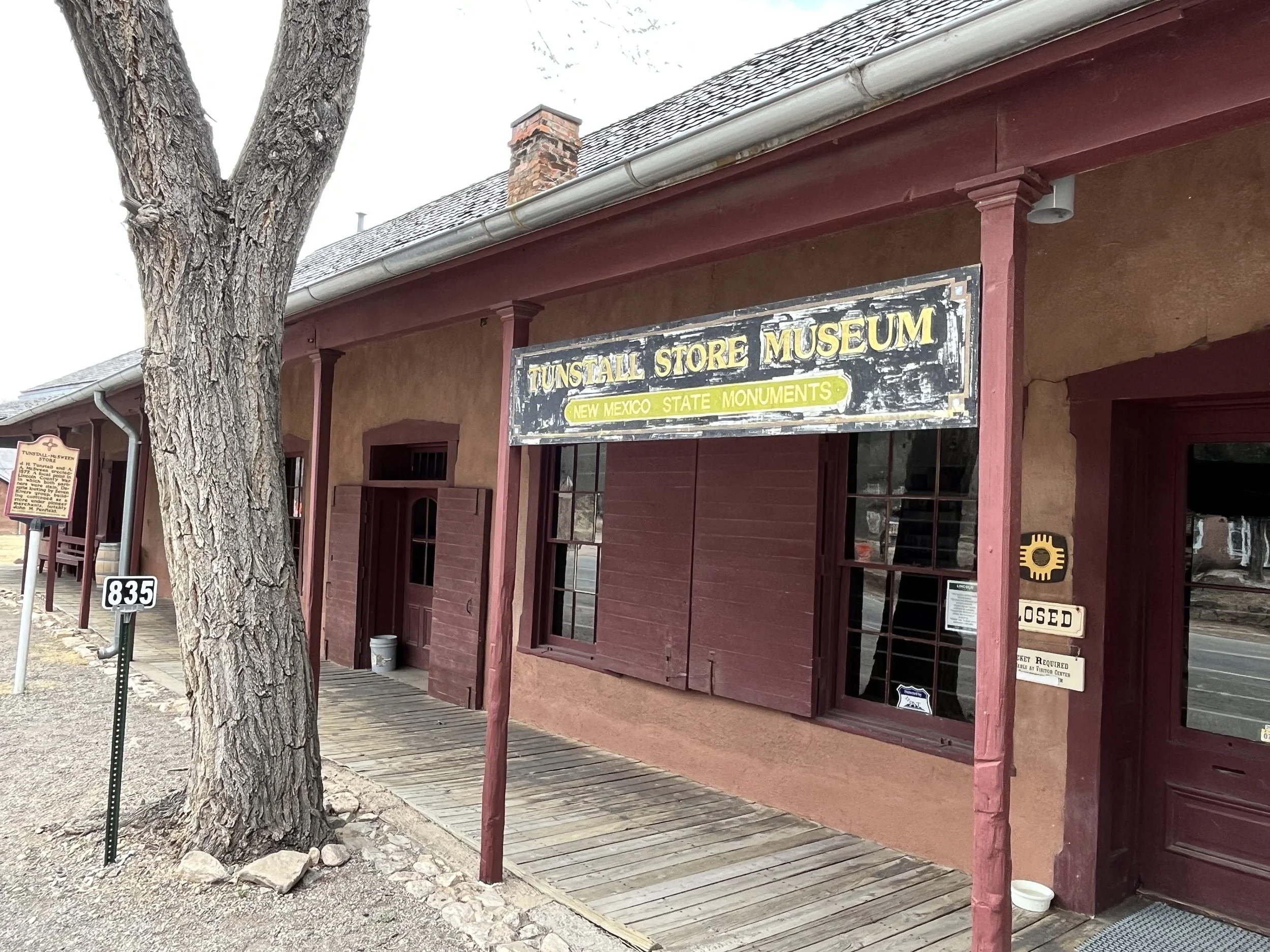
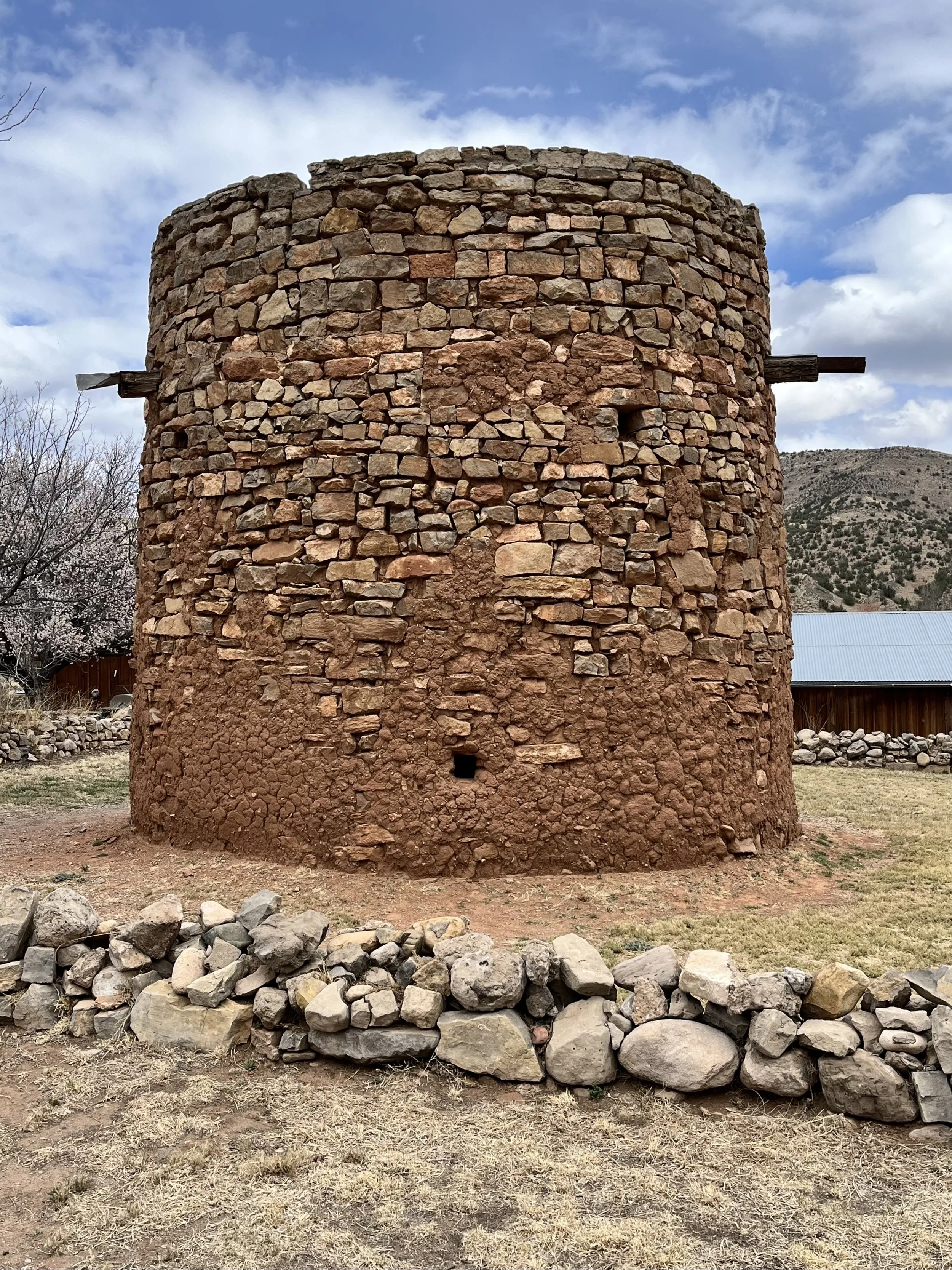
Stories about the conflict have been retold in movies including Chisum (1970) starring John Wayne and a 1973 TV drama called “Pat Garrett and Billy the Kid” featuring James Coburn as Sheriff Pat Garrett and Kris Kristofferson as The Kid. After parking, I took a stroll down Main Street. The Lincoln Historic District has 17 buildings including the Curry Saloon, Wright House, Dr. Ward’s office, Wortley Hotel, the Old Courthouse, and Tunstall’s Store. The town’s most unusual building is the Torreón, a stone fort found on the north side of Main Street. Designed to withstand attacks by Native American warriors, the Torreón was constructed in the 1850s by Enrique Trujillo and members of the Miranda Family. During an attack, the entire population of the village could seek refuge in the stone fort with women and children sheltering on the ground floor and armed men taking positions on upper floors. Trenches outside the structure provided protection so town residents could reach the relative safety of the Torreón without exposing themselves. During the five-day gunfight, men led by Murphy-Dolan took positions inside the building. The Torreón was restored by the Civilian Conservation Corps (CCC) in the early 1930s.
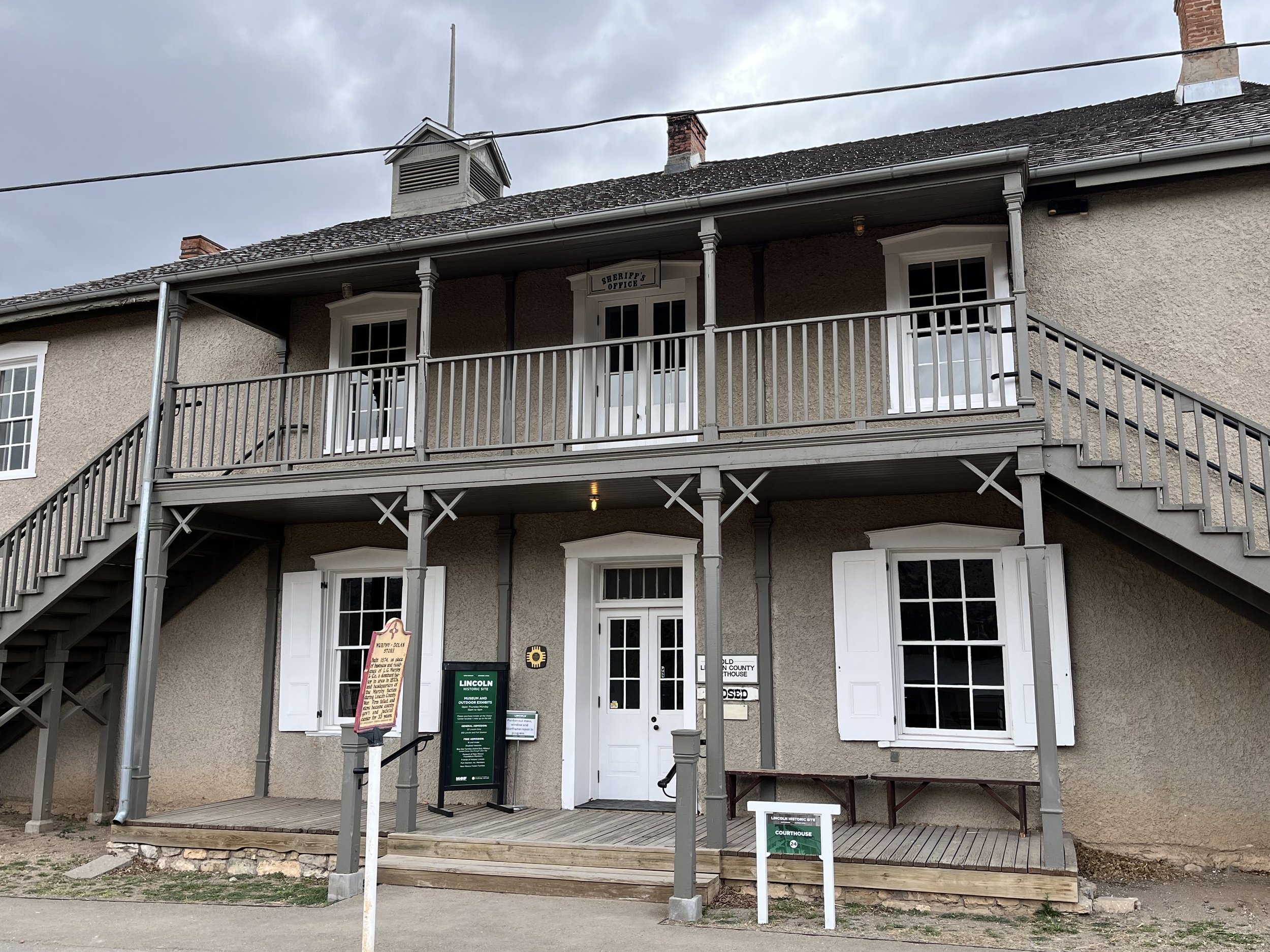
I stopped to photograph the Old Courthouse which fulfilled various roles including store, residence, Masonic lodge, and later, courthouse/jail. Built between 1873 and 1874, the two-story wood and adobe structure served as the county’s courthouse from 1881 until 1913 when a new courthouse was constructed in the town of Carrizozo. Beginning in 1913, the building served as a school and in 1939 it was repurposed as a museum.
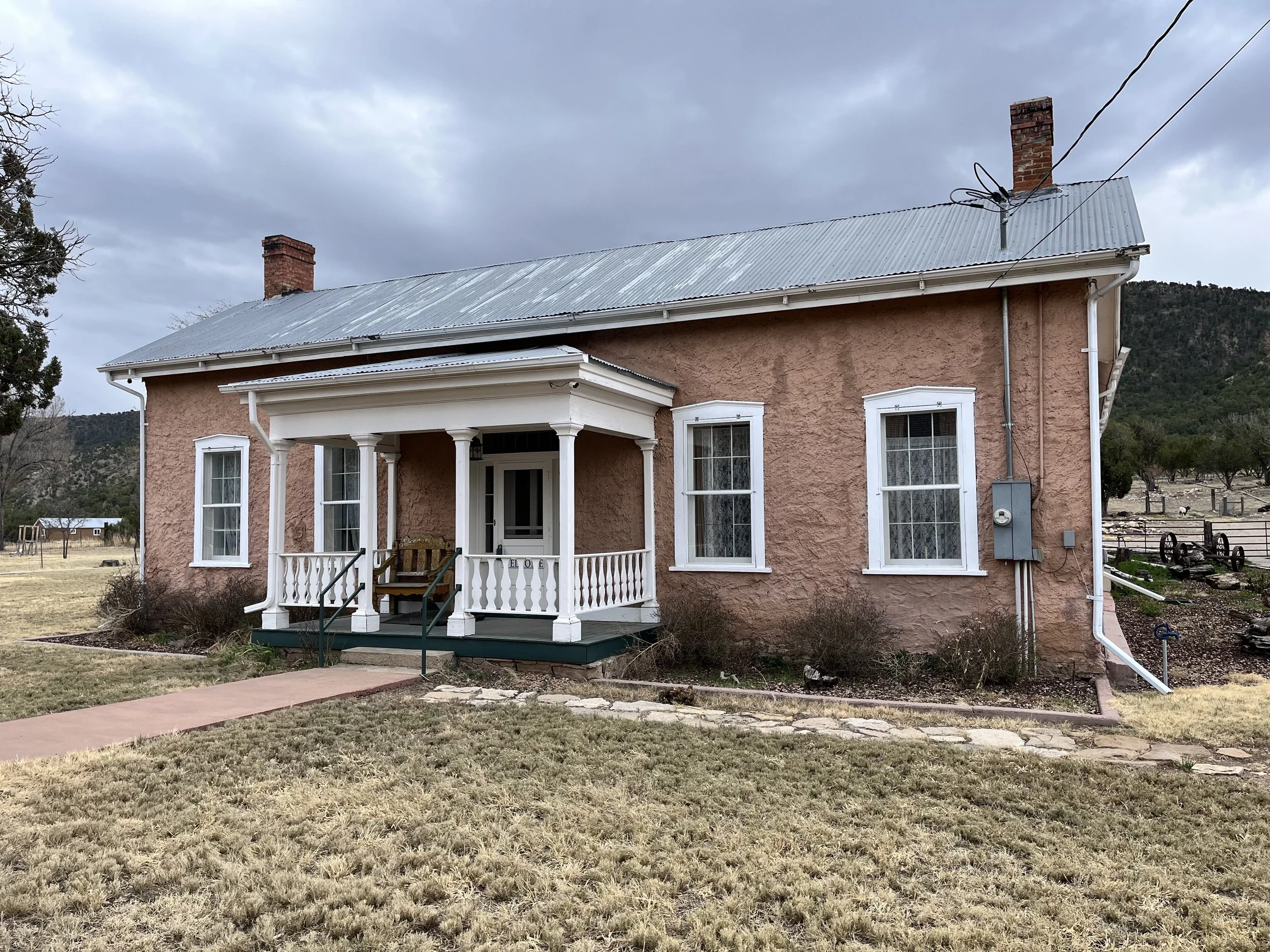
Passing the Dolan House, I peered through windows of Tunstall’s restored mercantile which also served as a bank, law office, and residence. In 1901 the mercantile was bought by the Roswell Trading Company. In part because its buildings have remained in continuous use, Lincoln is widely considered as being among the most authentic 19th century western towns. Today, the town has about 200 permanent residents.