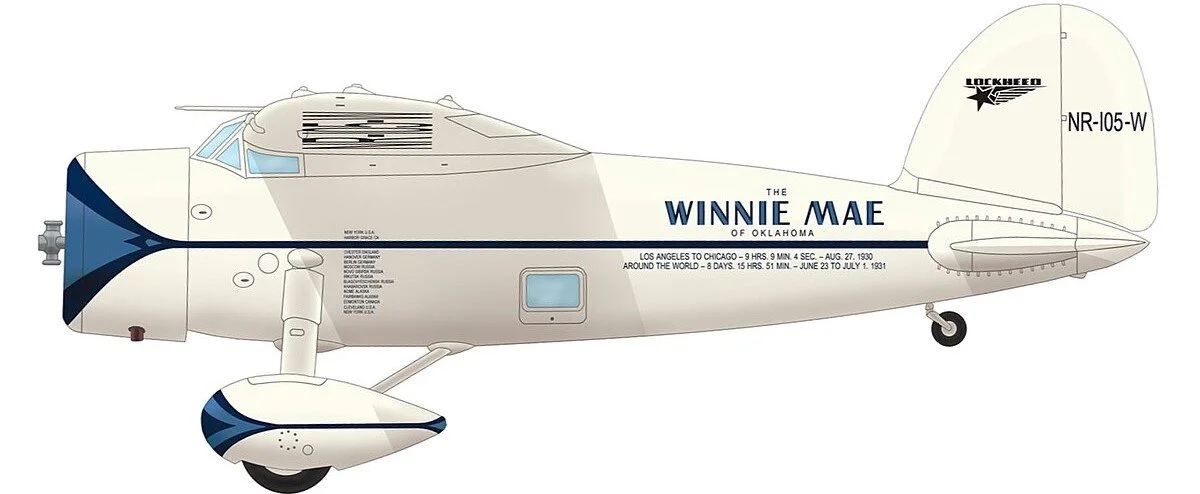
Oklahoma’s Aviation History
Thomas A. Wikle, Ph.D.
(click on an article title below)
Chronicles of Oklahoma, Volume 88, No. 2 (Summer 2010)
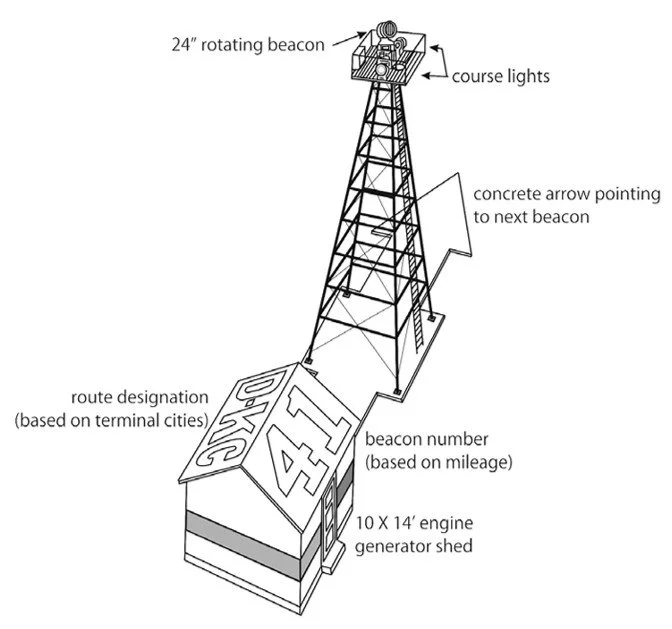
“Transcontinental Crossroads: Oklahoma’s Lighted Airways in the 1930s,” by Thomas A. Wikle
After World War I, the Post Office Department of the United States felt the need to reduce mail delivery times. This desire led to experiments with daytime and nighttime airmail routes. This article describes how Oklahoma became a crossroads in the coast-to-coast lighted airmail delivery system and the social, technological, and cultural developments that accompanied this advancement.
Chronicles of Oklahoma, Volume 91, No. 4 (Winter 2013)
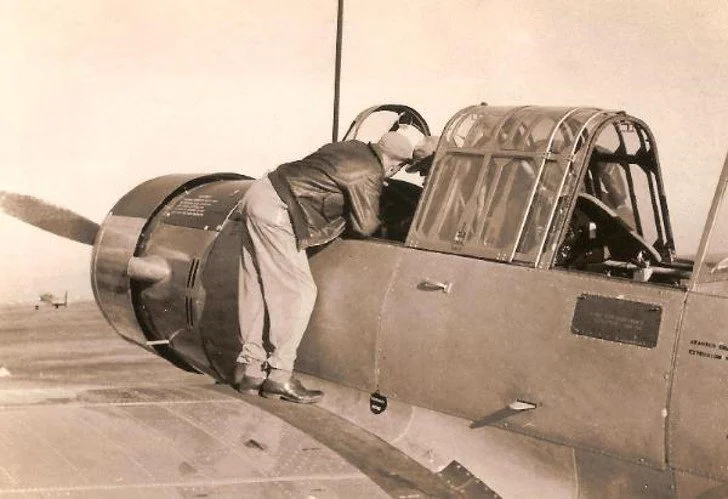
“The Legacy of US Army Flight Training in Oklahoma, 1941–45,” by Thomas A. Wikle
The entry of the United States into World War II prompted an increase in the need for trained pilots. Because of its relatively flat terrain and favorable weather, Oklahoma became a prime location for the training of these pilots. This article investigates Oklahoma’s role in the surge of pilot training programs, and how those programs led to the development of aviation facilities in the state.
Chronicles of Oklahoma, Volume 94, No. 2 (Summer 2016)
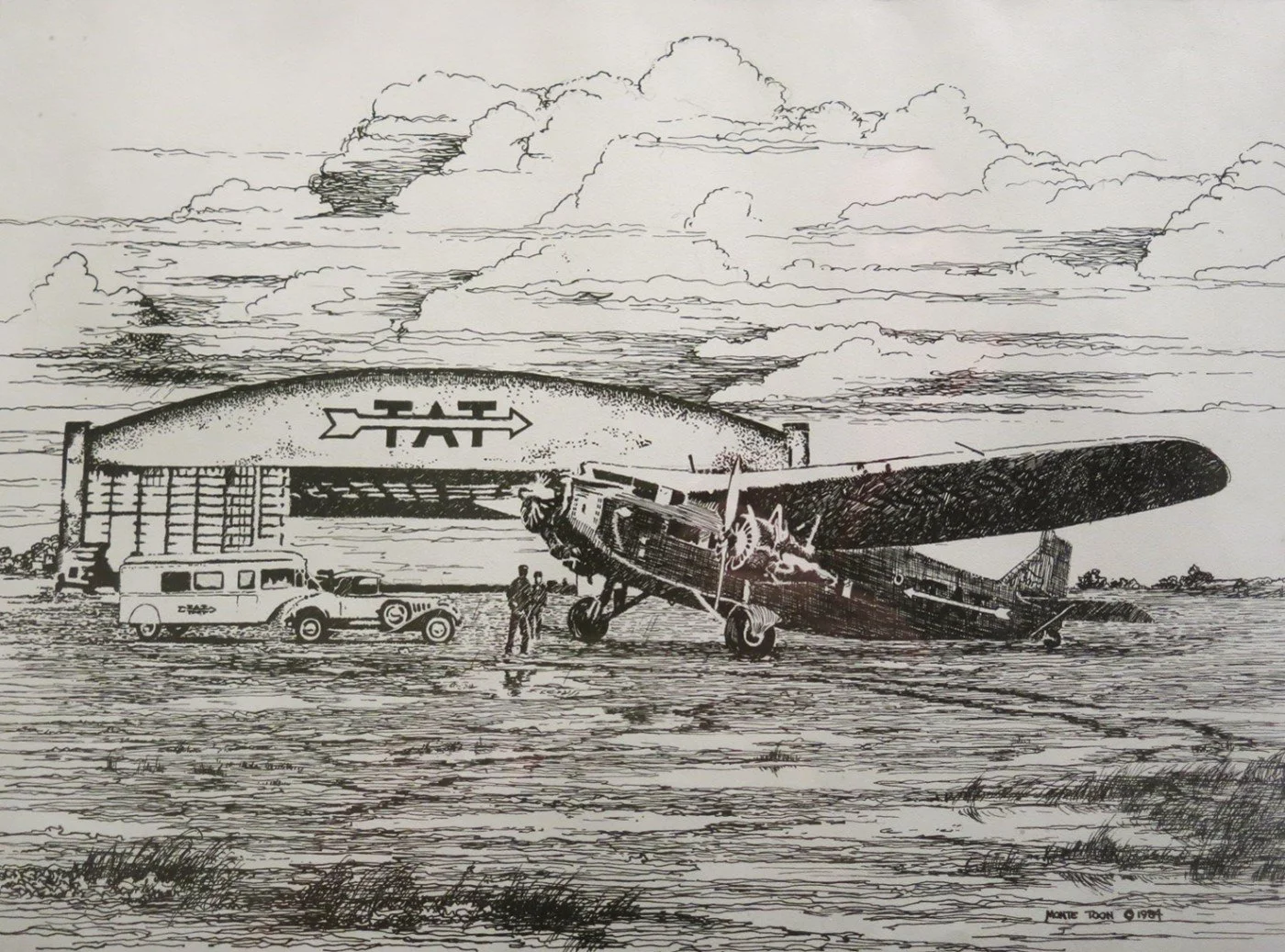
“Waynoka and the Birth of Transcontinental Air Service,” by Thomas A. Wikle and Dale R. Lightfoot
When early aviators created a transcontinental airline, Waynoka became a stop on the line where passengers transferred from airplanes to railcars for night travel. Dale R. Lightfoot and I discuss the creation of the TAT line and the impact of its successes and failures on the community and the future of coast-to-coast air travel.
Chronicles of Oklahoma, Volume 95, No. 4 (Winter 2017)
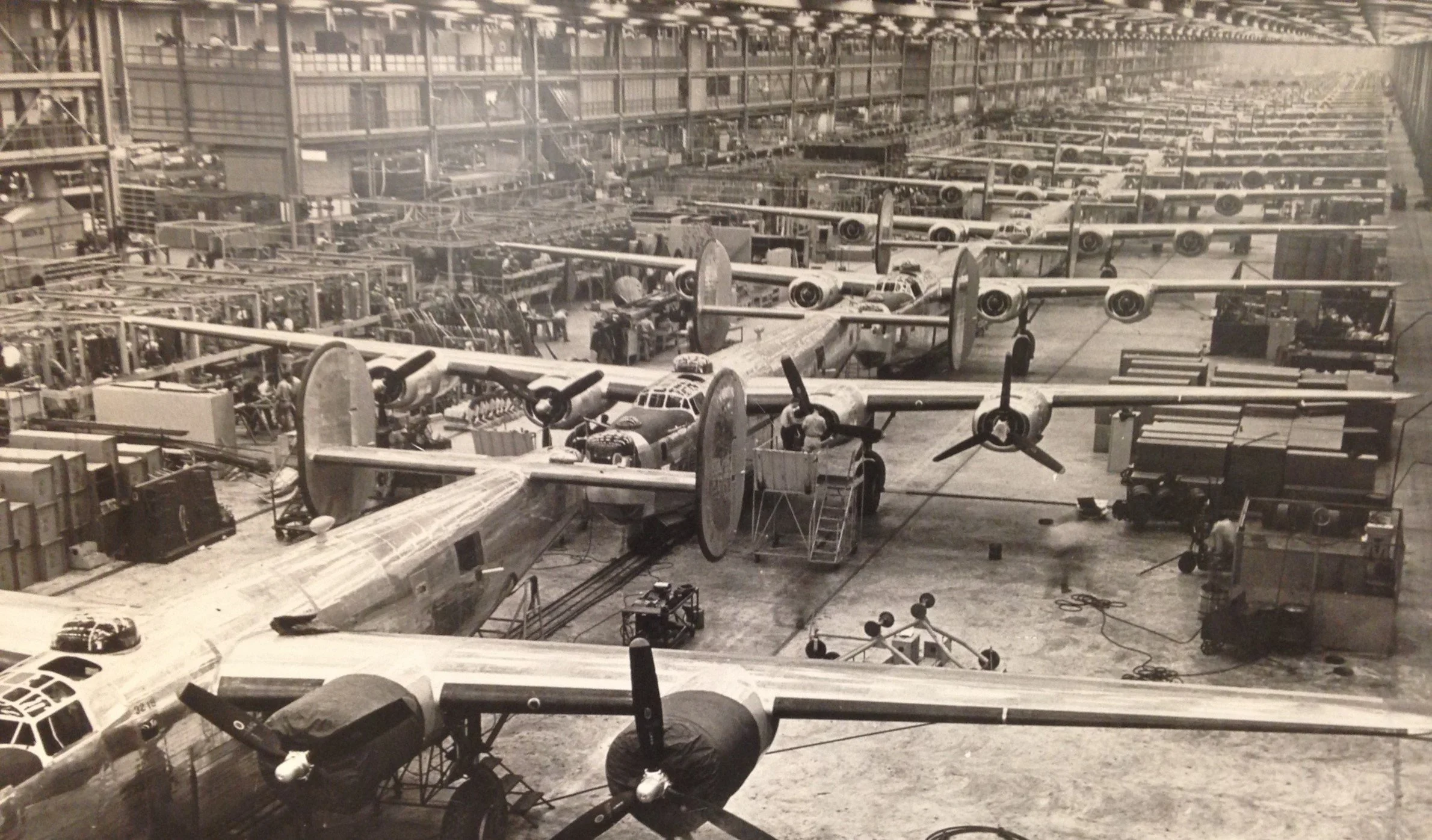
“World War II and the Story of Douglas Aircraft Plants in Tulsa and Midwest City,” by Thomas A. Wikle
During World War II, it was essential to keep the military supplied with the tools necessary for the war effort, including the various aircraft used to prosecute the war. This article describes the types of aircraft built in the Tulsa and Midwest City Douglas Aircraft plants and the impact these facilities had on the local communities.
Chronicles of Oklahoma, Volume 97, No. 1 (Spring 2019)
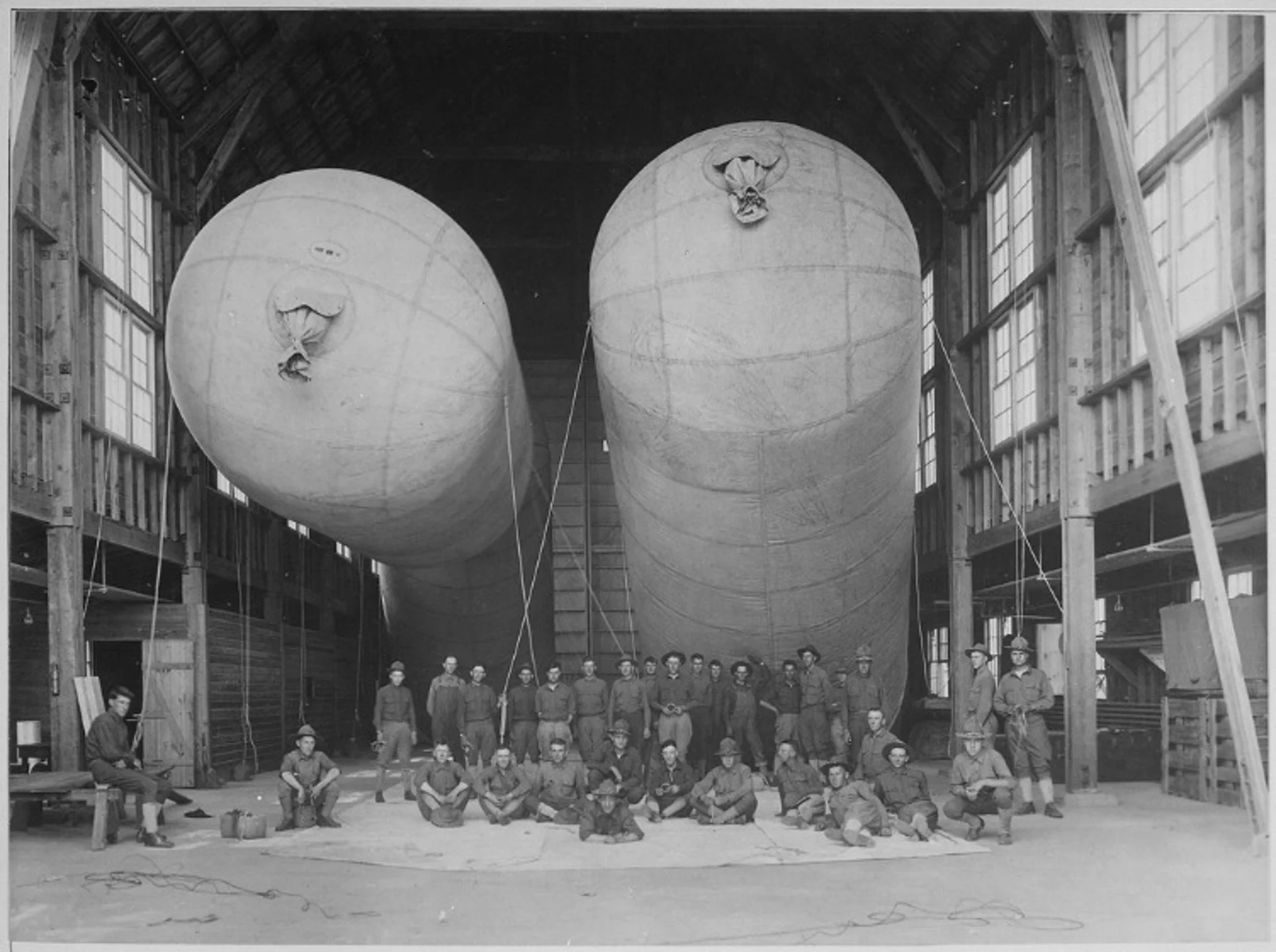
“Fort Sill and the Birth of US Combat Aviation,” by Thomas A. Wikle
Fort Sill is known for its Artillery Training Center, but few remember its legacy in military aviation. The first military aircraft arrived at Fort Sill in July of 1915. During both World War I and World War II, the base was home to pilot training programs. It also was a center for observation balloon training. This article explains the importance of Fort Sill and Henry Post Army Airfield to the early days of military aviation.
Chronicles of Oklahoma, Volume 98, No. 4 (Winter 2020)
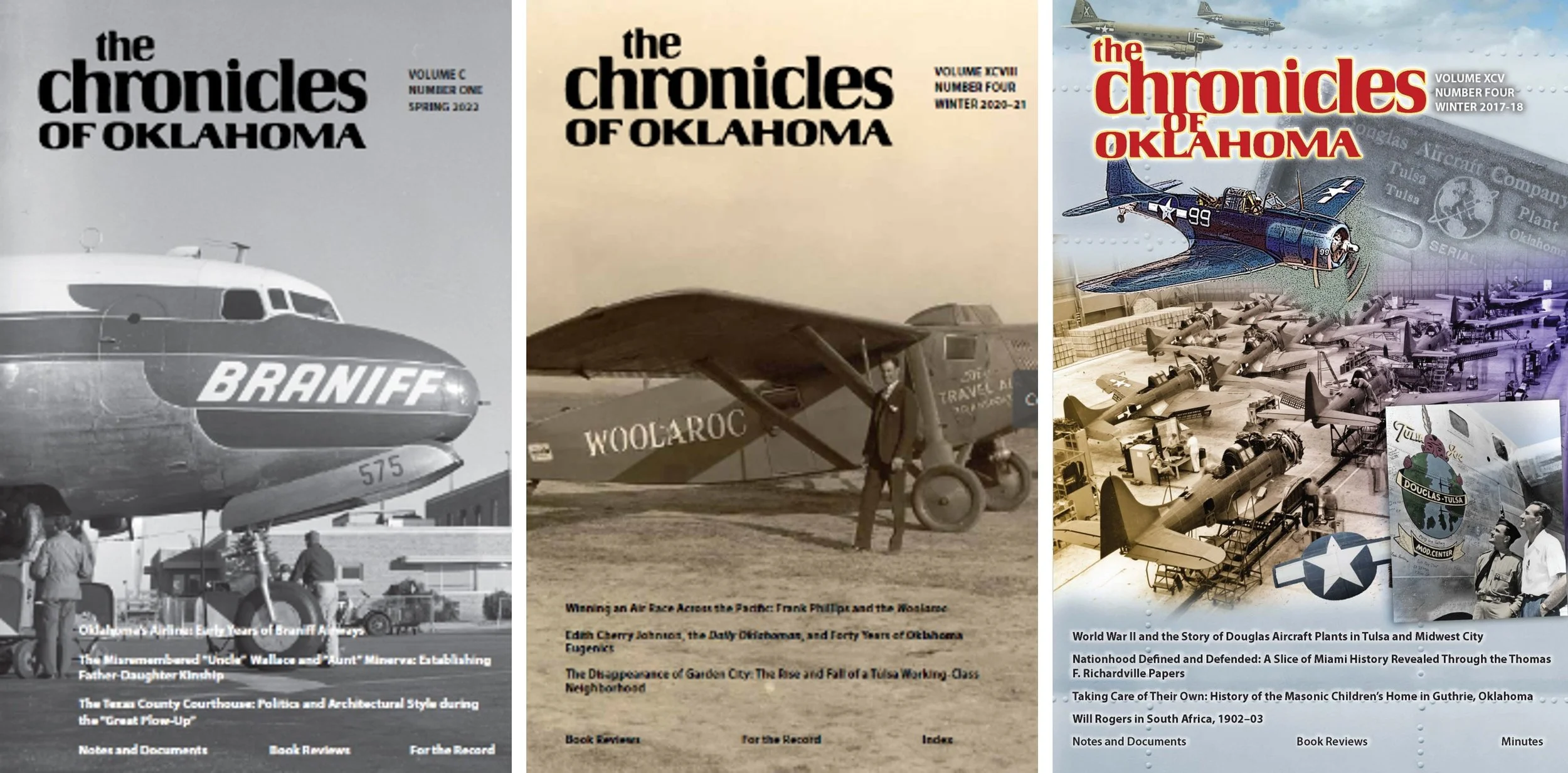
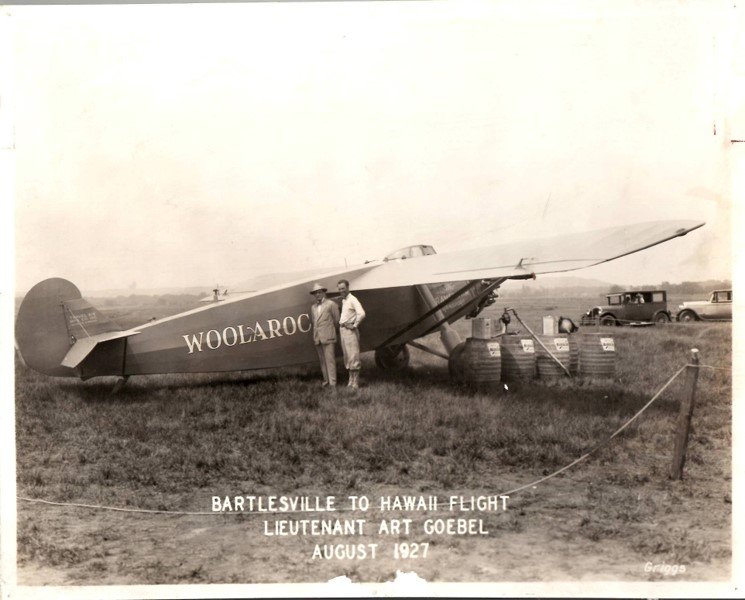
“Winning an Air Race Across the Pacific: Frank Phillips and the Woolaroc,” by Thomas A. Wikle
In the 1920s, intrepid pilots were risking their lives to test the boundaries of cross-country and overseas flight. Through dangerous air races and feats of endurance, these aviation pioneers paved the way for advances in the field that would eventually lead to commercial air travel. In 1927 James Dole challenged pilots to be the first to fly from the United States mainland to Hawaii in a race that was called the Dole Race, or the “Pineapple Derby.” This article chronicles the Dole Race, paying particular attention to the role that Oklahoma’s Frank Phillips and the winning plane, the Woolaroc, played in the harrowing story.
Chronicles of Oklahoma, Volume 100, No. 1 (Spring 2022)
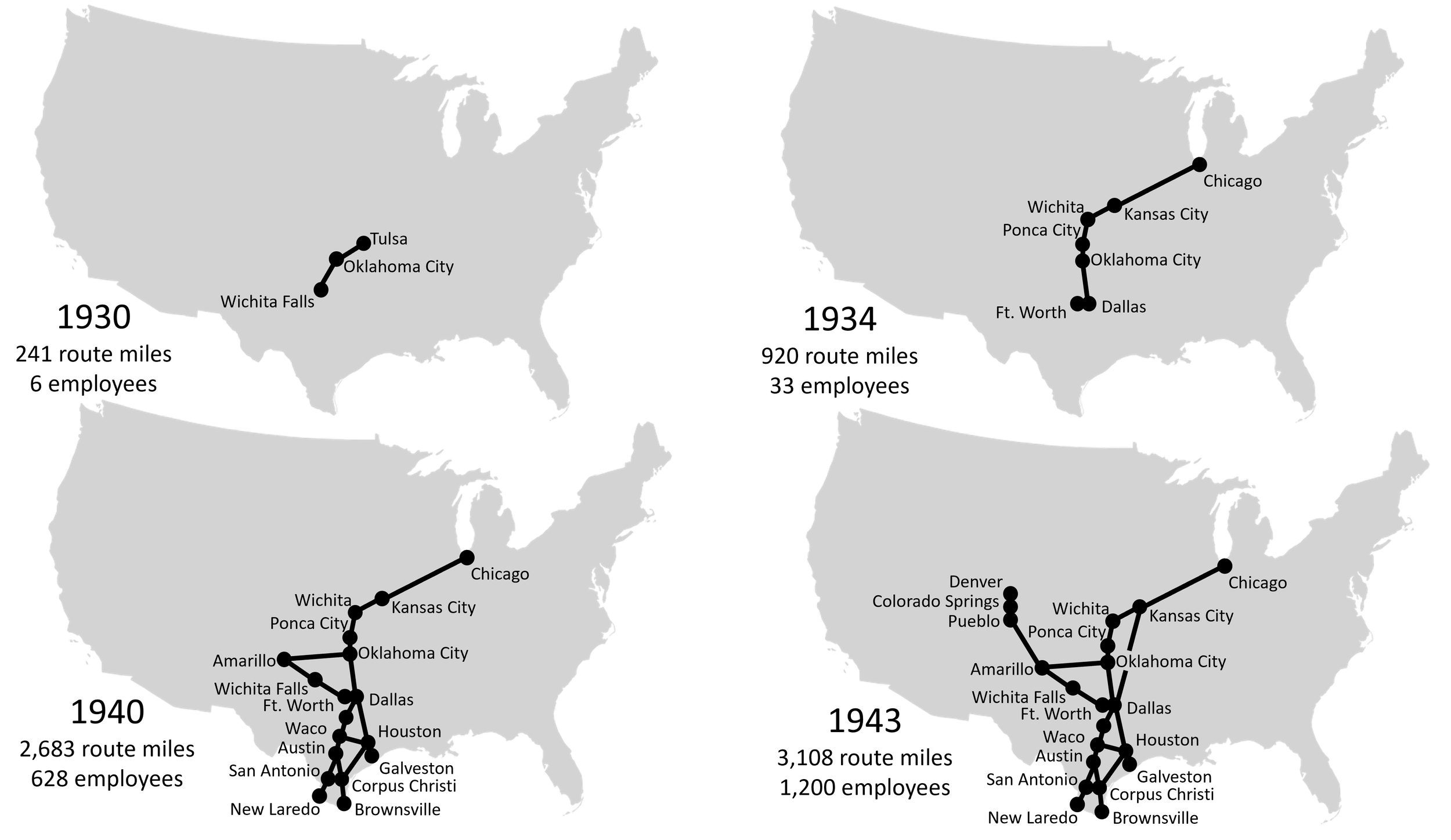
“Oklahoma’s Airline: Early Years of Braniff Airways,” by Thomas A. Wikle
In the early years of aviation, passenger air travel was unusual and somewhat perilous. In 1928 the Braniff brothers took a risk, pooled their resources and talents, and established one of the country’s earliest airlines. With Tom Braniff as the businessman and Paul Braniff as the visionary, the brothers set course through decades of change, maintaining influence over the airline even after its eventual change in ownership. In this article I share the history of this pioneering airline, tracing its evolution from a small family business to a regional aviation giant.
Chronicles of Oklahoma, Volume 102, No. 3 (Fall 2024)
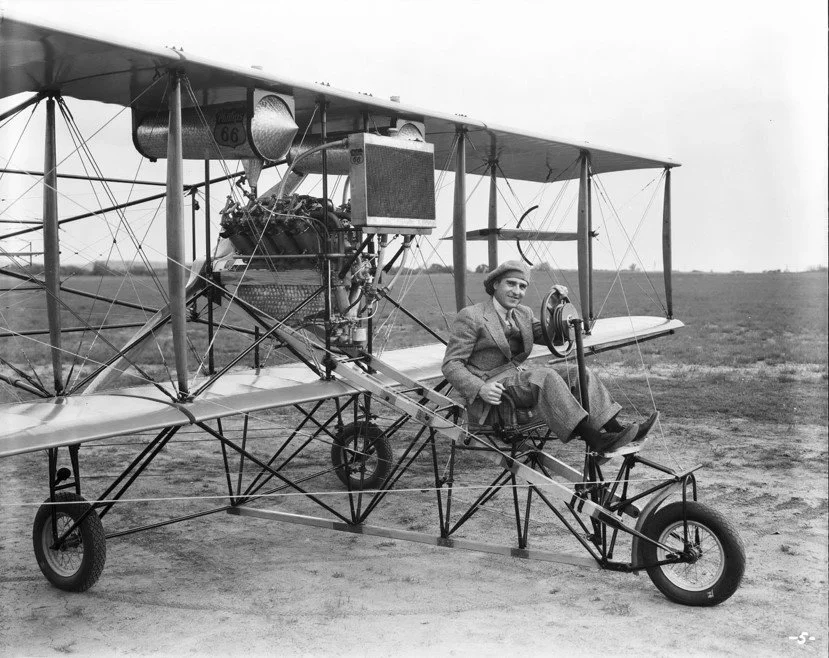
“Barnstormer, Engineer, and Innovator: The Extraordinary Life of Billy Parker, Oklahoma’s ‘Boy Aviator,’” by Thomas A. Wikle
In Oklahoma’s aviation history, there are few men who loom quite as large as Billy Parker. As the head of Phillips Petroleum Aviation, Parker was the man behind the scenes for some of the greatest aviation feats in the world. Parker oversaw events from the Dole Air Race to Wiley Post’s record-breaking flight into the stratosphere. This article brings the story of Parker to light, from his aviation records to the innovations he brought to the field of flight.
Chronicles of Oklahoma, Volume 103, No. 2 (Summer 2025)
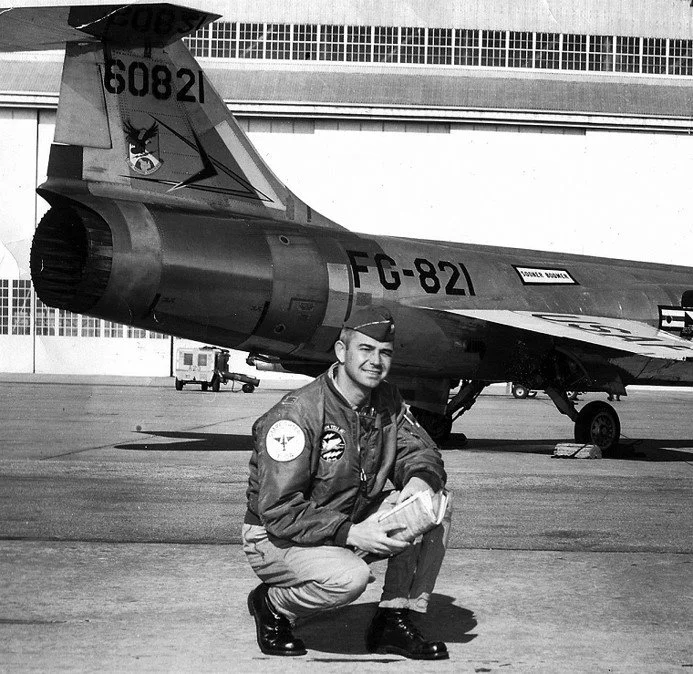
“Would Americans Tolerate Sonic Booms? Oklahoma City’s Role in the Failed Effort to Develop a Supersonic Transport Aircraft,” by Thomas A. Wikle
In 1964, Oklahoma City became the testing ground for a government experiment. The Federal Aviation Agency had chosen Oklahoma City as the site of sonic boom testing, aiming to see if citizens could live with the sounds produced by supersonic passenger transportation. While the intent of these experiments was to create safe, quiet, and efficient supersonic aircraft, the outcome involved protests and accusations of property damage. In this article I chronicle the government program that earned Oklahoma City the nickname “Boomtown.”
Not yet published:
“Surplus WWII Aircraft in Stillwater: Paul Mantz, Hollywood, and the World’s Seventh Largest Air Force”
“Wheatfields and Bomber Bases: The Origin of Oklahoma’s Airfields and Airports”
“Airplanes and the Oil Capital of the World: William G. Skelly’s Imprint on Aviation in Tulsa, 1927-1942”
Questions? restlessgeographer@gmail.com
Return to RestlessGeographer.com