Pennsylvania. Paper Mill of the Second Continental Congress
When the American Revolutionary War began in April 1775, the Philadelphia-based Second Continental Congress needed a reliable source of high-quality paper to print currency that would be used to purchase materials and pay soldiers. Benjamin Franklin’s solution was Ivy Mills, a small paper mill located southwest of Philadelphia.
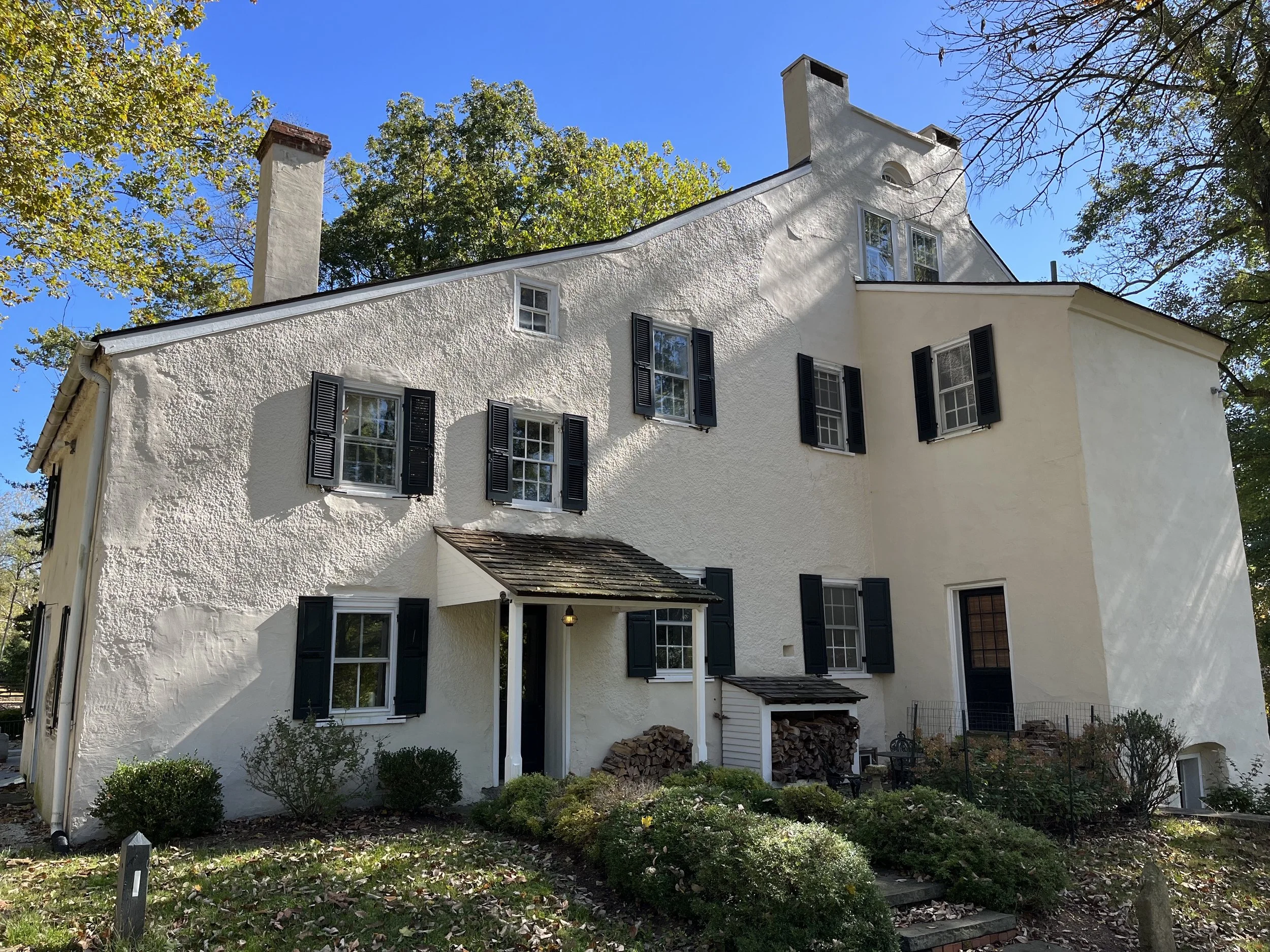
A native of southwest England, Thomas Willcox learned to make paper before he departed England for the American Colonies in 1725. Shortly after arriving in Pennsylvania’s Concord Township, Willcox began a printing partnership with Thomas Brown. Since Willcox brought printing expertise, it was agreed that he would receive three-fifths of the profits with the remainder going to Brown. In 1726 Willcox and Brown built a dam across Chester Creek and soon after began producing pressboard used in the manufacturing of books. The name “Ivy Mills” comes from Willcox’s decision to plant ivy from his native Devonshire that quickly covered the mill building. Devoted Catholics, the Willcox family allowed their house to be used as a mission chapel beginning in 1730. One of Willcox friends and customers was Benjamin Franklin who sourced paper from Ivy Mills for his publications including the Pennsylvania Gazette. When Thomas Willcox passed away in 1772, his son Mark took over the business. Two years later, Mark Willcox constructed a large house on the property.
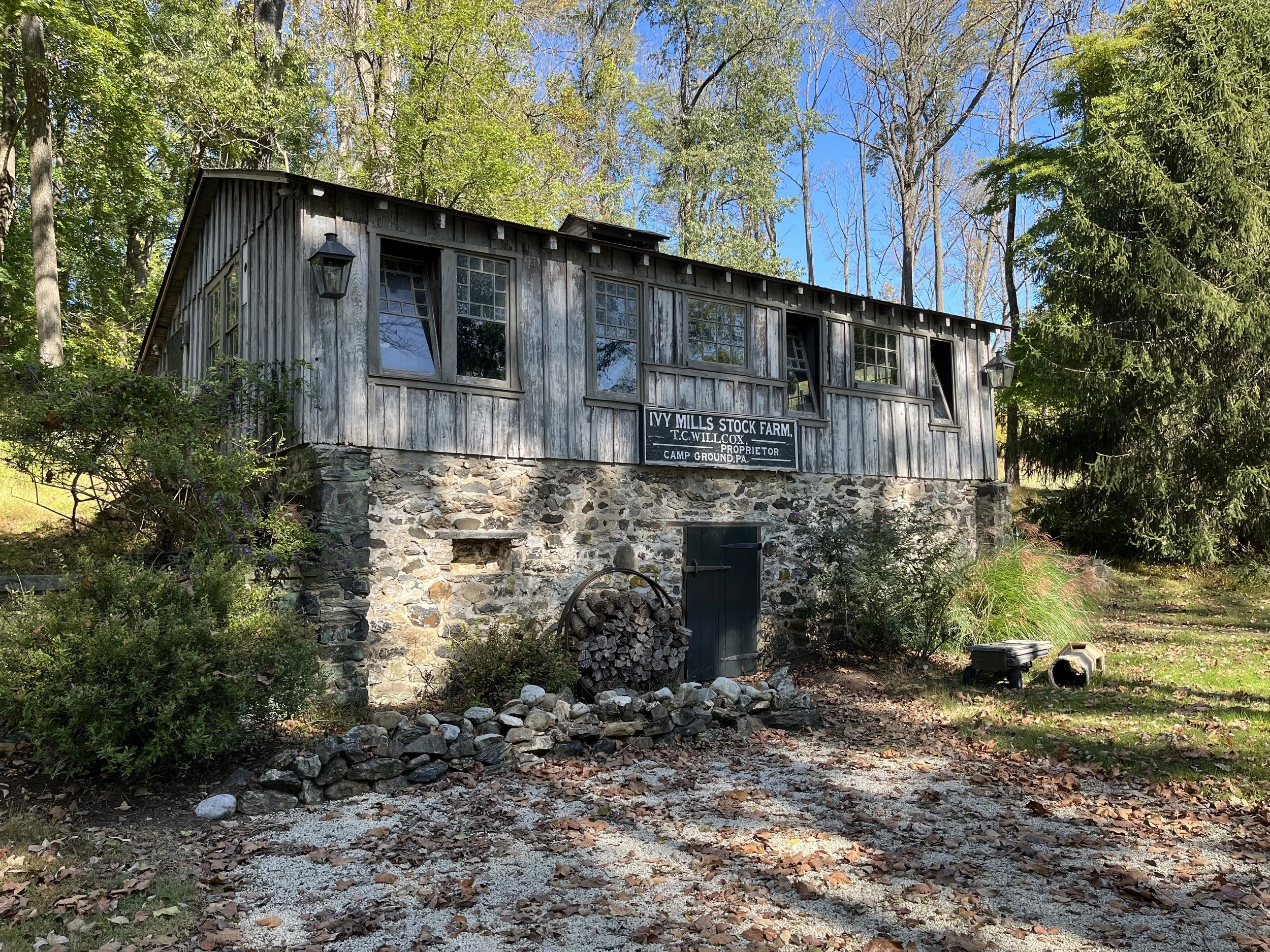
Without a reliable way to be imported, paper was in short supply at the start of the American Revolution. In addition to being used in printing, paper was needed for gunpowder cartridges used in muskets. Beginning in 1775, paper produced at Ivy Mills was shipped to a Philadelphia printer. To discourage counterfeiting, Franklin and Willcox pioneered the practice of adding shiny mica flakes to paper used to print currency. Franklin also spearheaded “nature printing,” where detailed images of leaves were printed on bills to make them more difficult to copy. Paper produced at Ivy Mills was also used to print bills of exchange and loan certificates.
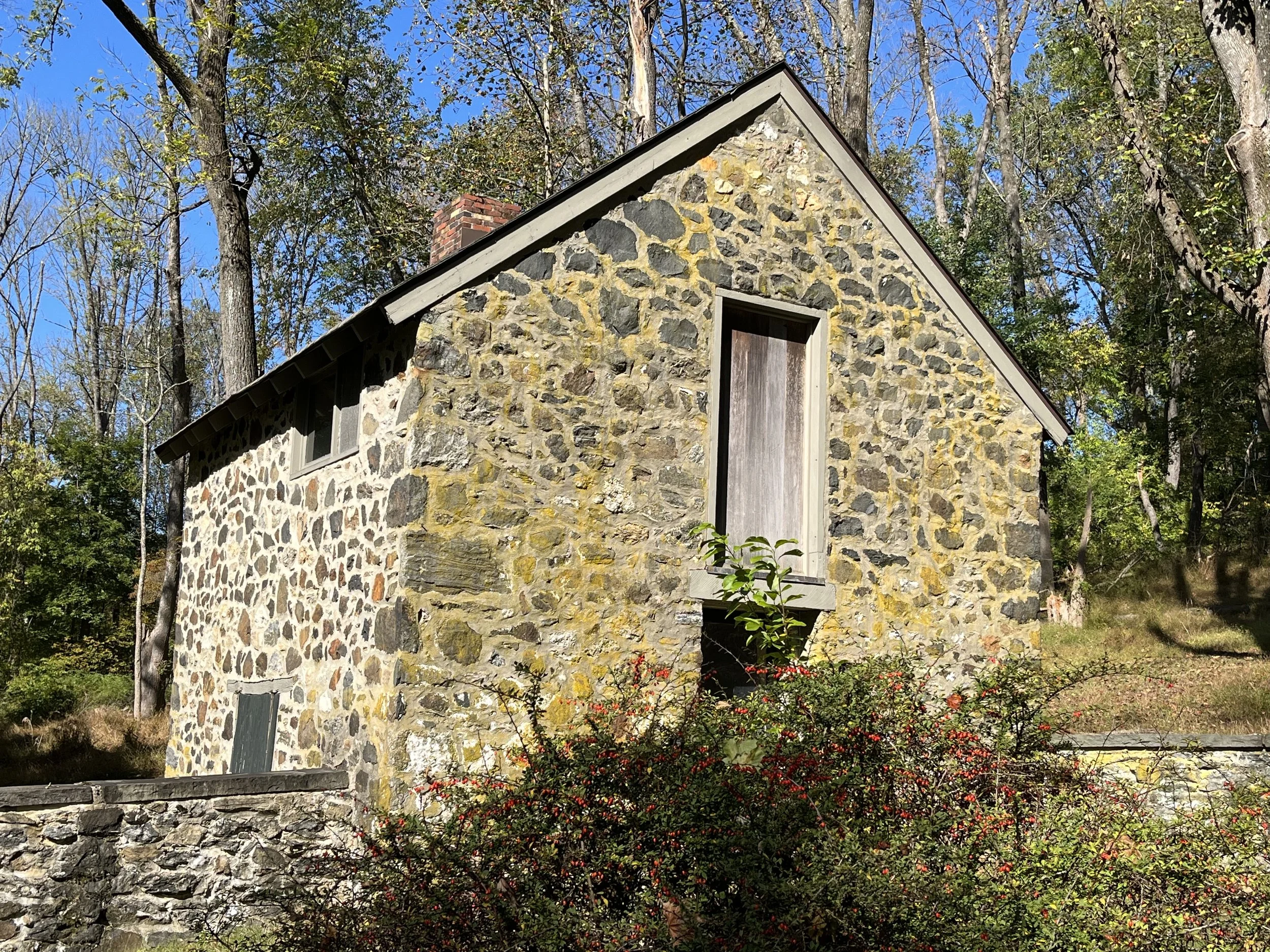
In 1829, a new mill was constructed on the site to accommodate water-powered equipment such as rag wheels, presses, and glazing machines. Twelve years later, a mansion replaced the original house. Along with meeting U.S. government needs, paper produced at Ivy Mills was used for printing currencies issued by several Latin American countries. Despite its importance, Ivy Mills remained a small operation with only a handful of employees. In 1866 the Willcox family shifted paper production to a mill in nearby Glen Mills and soon after, many of the buildings at Ivy Mills fell into a state of decay.
With a rolling landscape, the historic mill is in the Piedmont Uplands physiographic region of southeastern Pennsylvania. Featuring boulder-strewn valleys and broad floodplains, the area is surrounded by a mixed forest of red maple, beech, hickory, oak, and white ash. Our visit to Ivy Mills included a tour of the Willcox Mansion. The original mansion burned down in the 19th century. Rebuilt, the present structure’s exterior features masonry covered with stucco. In the late 19th century, a veranda was added to the front of the house.

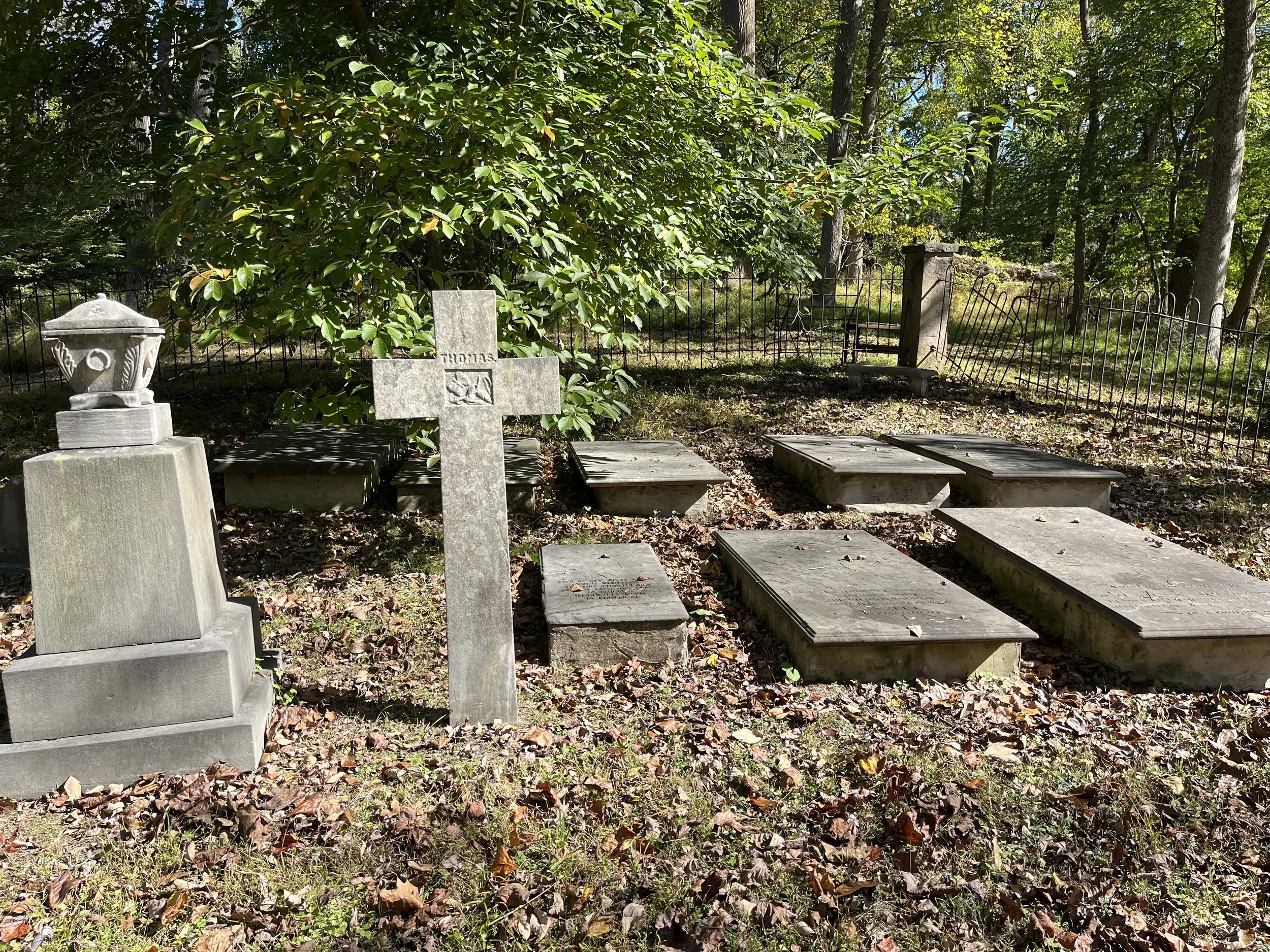
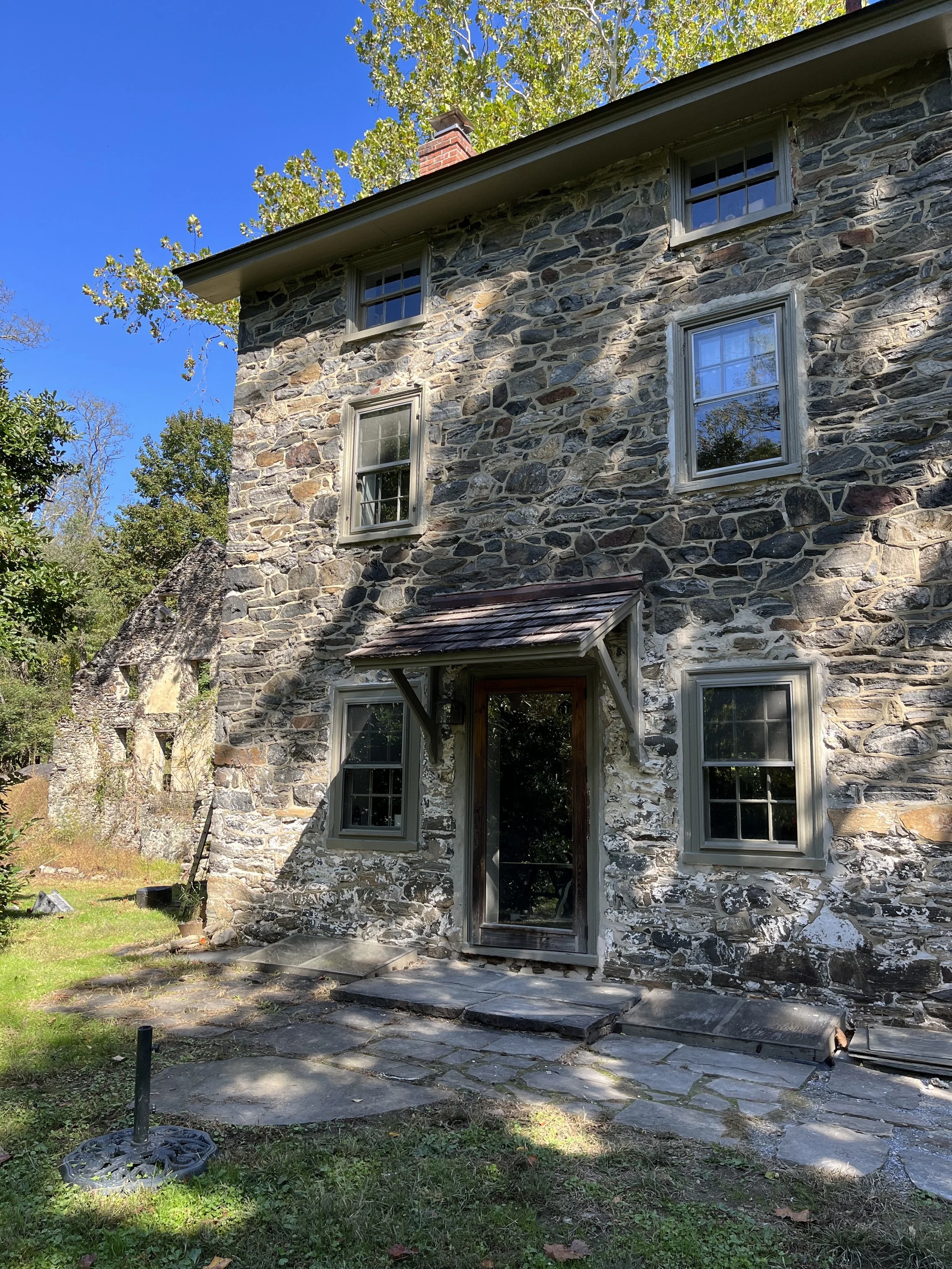
After touring the mansion, we walked through the grounds of the former paper mill. Constructed in 1830, the three-story Clerk’s House is adjacent to the mill ruins. Used for record keeping, the house was recently renovated and is now used as a private residence. Nearby, are foundations and walls of the 2½ story mill building that was constructed in 1829. Before departing we wandered through the Willcox family cemetery.