Massachusetts. Martha’s Vineyard and Nantucket: New England’s Affluent Island Colonies
There are few populated places in the lower 48 contiguous U.S. states that can’t be accessed by a highway or road. Two of these are the charming New England islands of Martha’s Vineyard and Nantucket. At 235 square kilometers, Martha’s Vineyard is the 9th largest island in the lower 48 U.S. states by area. Nantucket is even smaller with an area of just 124 square kilometers. Located south of Cape Cod, Massachusetts, the two islands made a transition from 17th century whaling communities to wealthy summer vacation colonies.
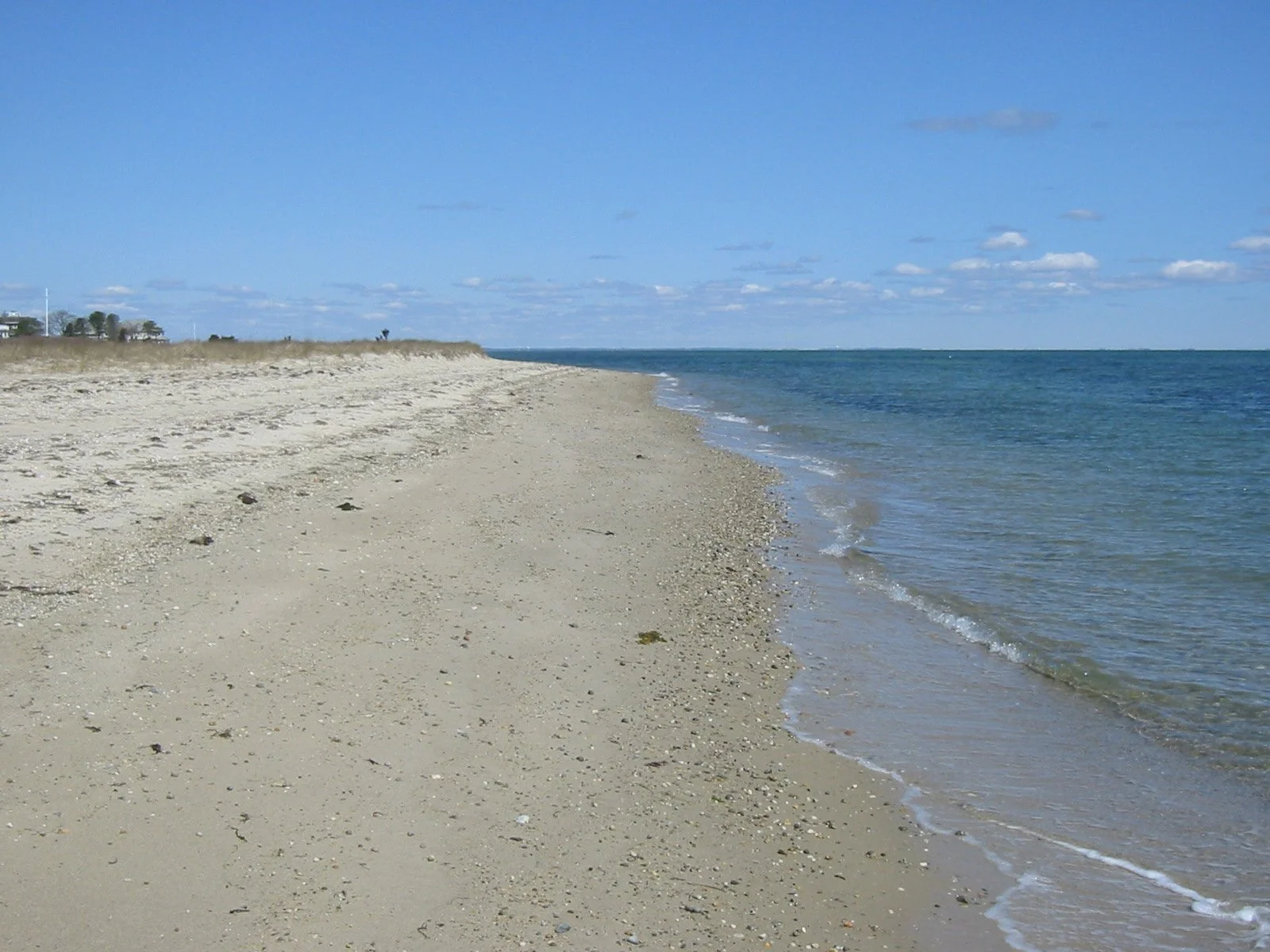
Measuring 32 kilometers in length, Martha’s Vineyard Island has a year-round population of 20,000 that expands to 200,000 in the summer, and of its more than 14,000 houses and cottages, nearly 60% are seasonally occupied. The island was settled by native Wampanoag people more than 12,000 years ago. In 1640 Martha’s Vineyard, Nantucket Island, and the Elizabeth Islands were purchased by Thomas Mayhew and a few years later the settlement of Edgartown (aka “Great Harbor”) was established on Martha’s Vineyard Island. For many years Edgartown was known for supporting the world’s largest factory that produced candles made from whale oil. Besides whaling, the town’s economy was supported by fish smoking, farming, and brickmaking.
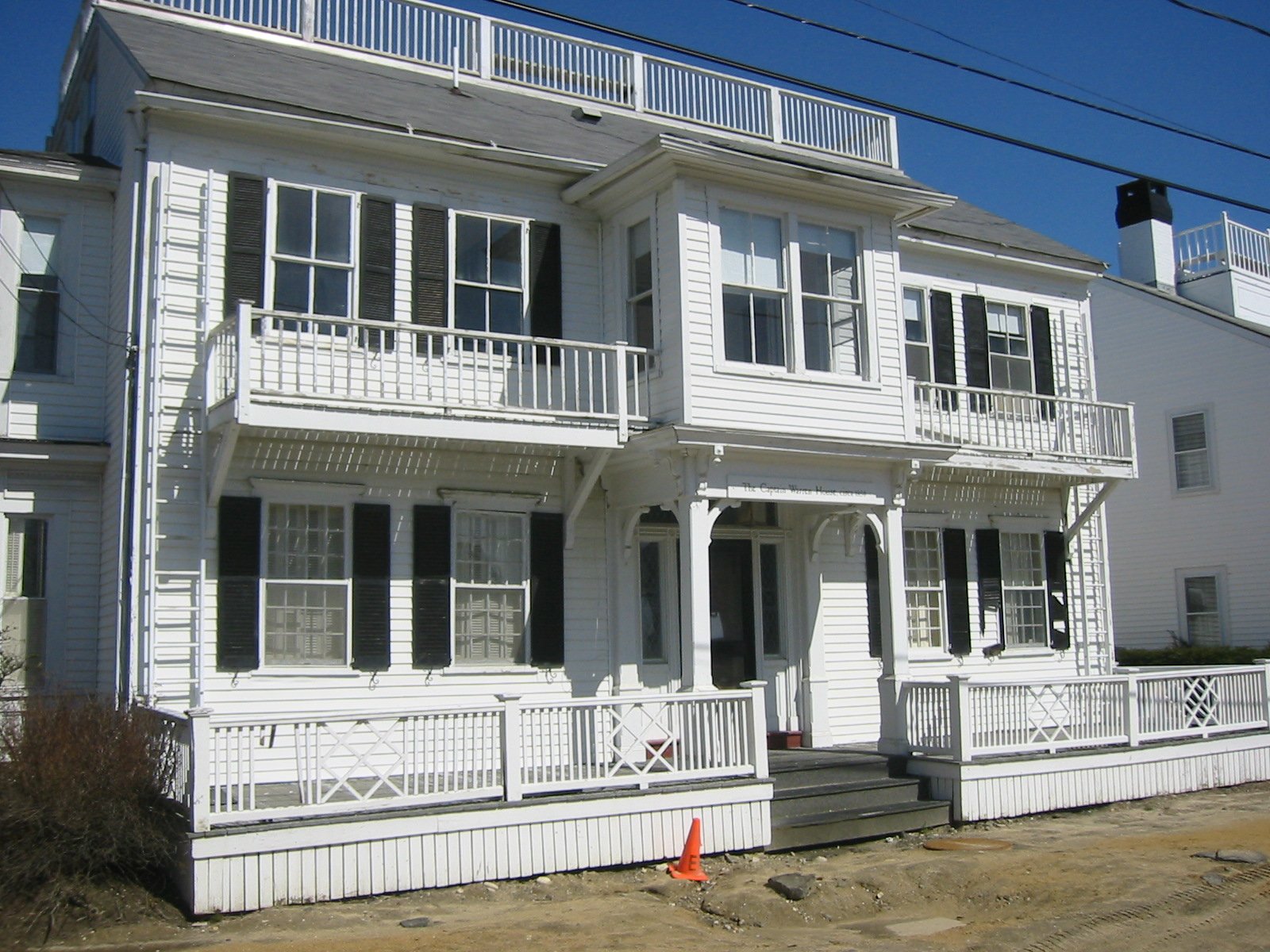
The ferry ride from New Bedford, Massachusetts to Martha’s Vineyard Island and the dock at Oak Bluffs took about 50 minutes on a 43-meter-long diesel-powered catamaran. Edgartown (population 5,100) is located on the eastern side of the island. The town’s dependence on the whaling industry can be seen in an 1850 census showing half of the town’s 1,400 men employed as sailors. With large profits from whaling, ship captains built large mansions. We walked past streets lined with stately Greek Revival and Federalist style homes. Edgartown was prominently featured in Steven Spielberg’s 1975 movie, Jaws which tells the story of a New England beach community that was terrorized by a great white shark. Another stop was the former site of a bridge to Chappaquiddick Island, famous for a 1969 accident. Attempting to cross the Dike Bridge after leaving a party, U.S. Senator Ted Kennedy lost control of his Oldsmobile which plunged into water below the bridge. Kennedy escaped but his 28-year-old passenger, Mary Jo Kopechne, drowned inside the submerged car.
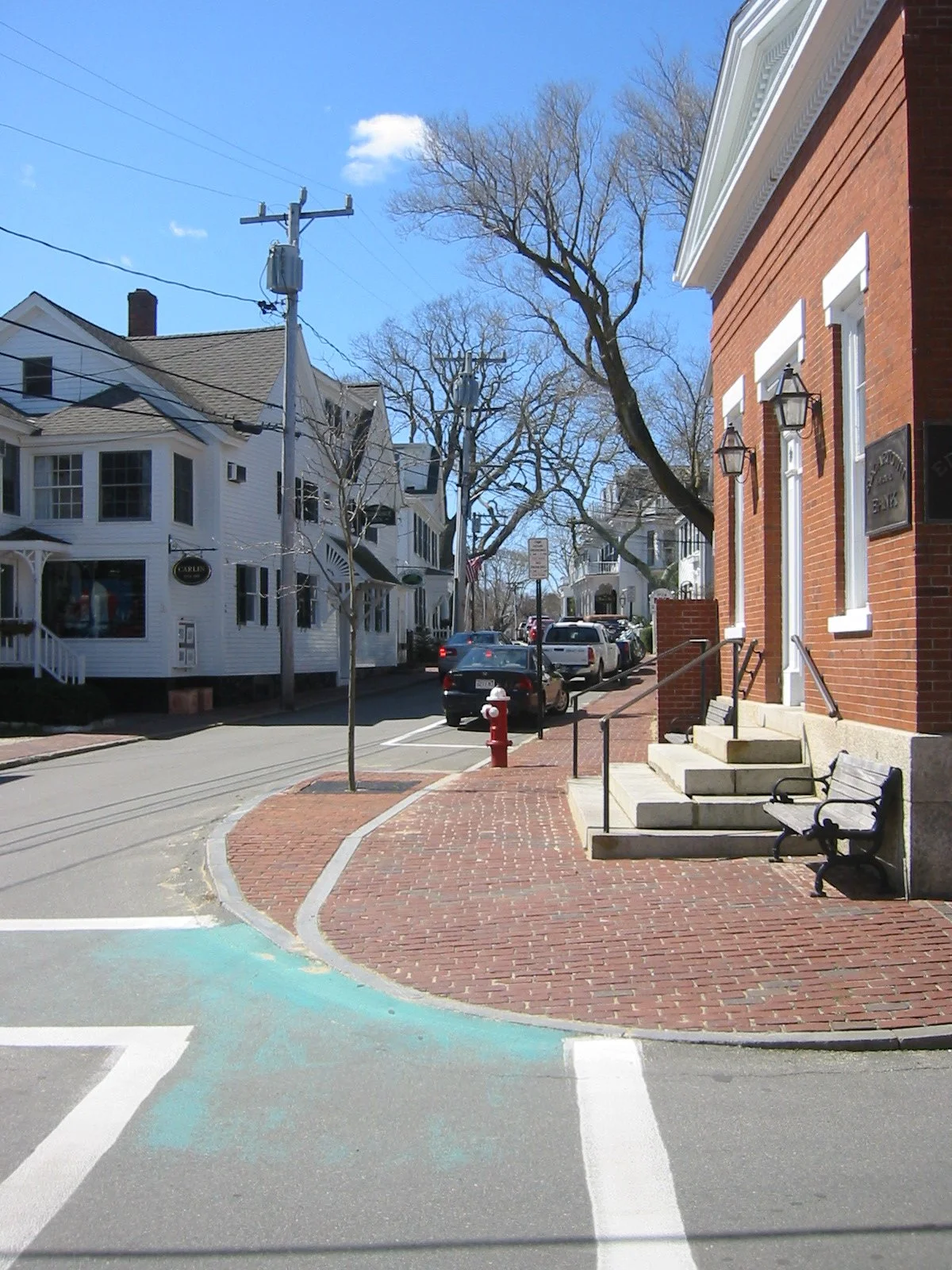
Located 48 kilometers south of the Cape Cod Peninsula, Nantucket Island was known by the indigenous Wampanoag as “Natockete” meaning “far away land.” Englishman Bartholomew Gosnold was the first European to visit the island in 1659. Soon after, settlers were drawn there by the island’s abundant wildlife and good soil. In 1659 Thomas Macy established a homestead on the island and by the late 17th century, whaling was the island’s most important economic activity. Along with candle and soap making, whale blubber was used to make perfume. By the 19th century, the production of petroleum in Pennsylvania led to a decline in the importance of whale oil.
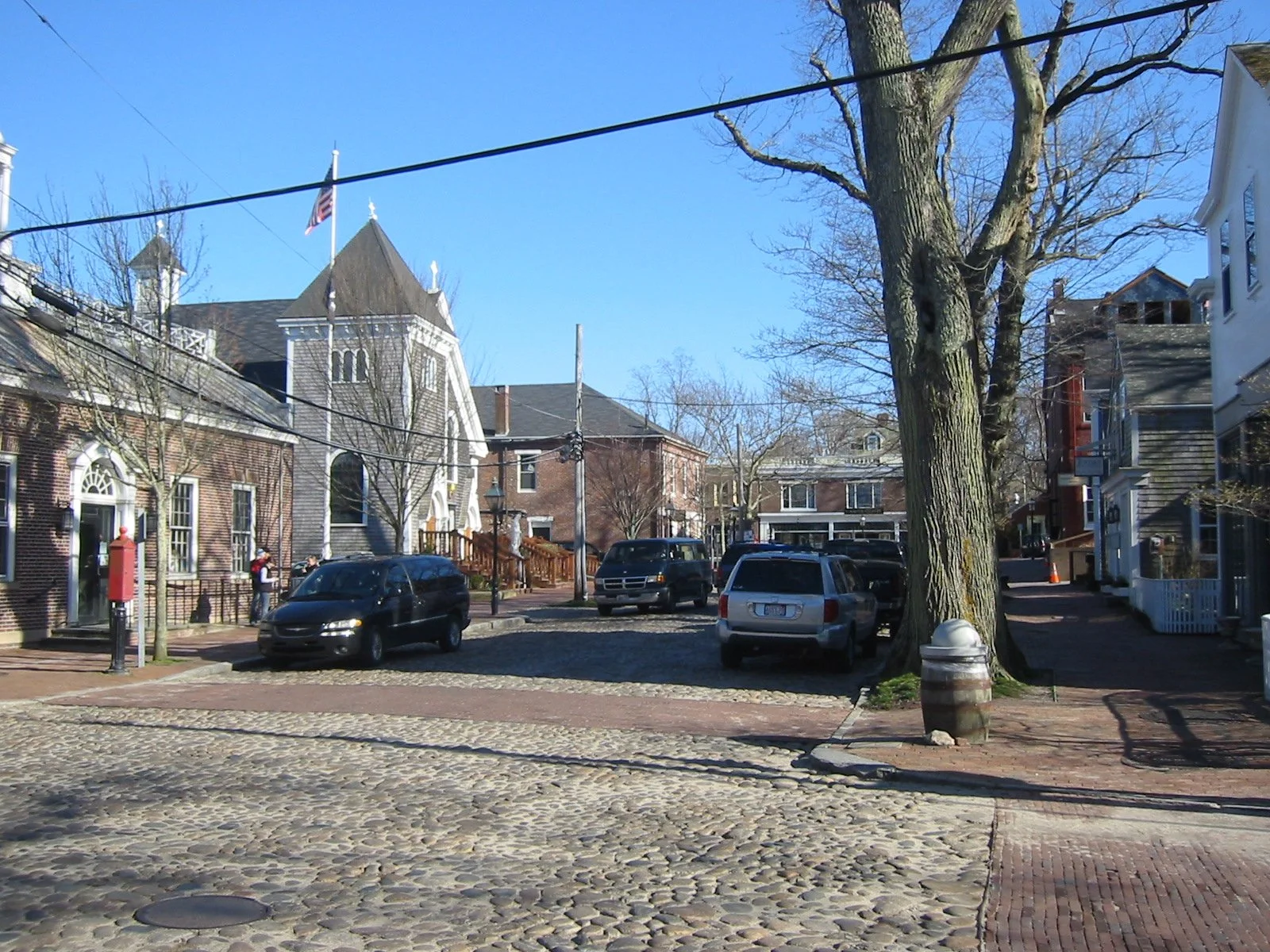
With a year-round population of 15,000 that swells to over 70,000 during the summer, Nantucket Island has cobblestone streets, historic homes, and pristine beaches. Visitor amenities include four-star hotels, high-end restaurants, and many shops and boutiques. There are also bicycle trails, yacht harbors, art galleries, and museums.
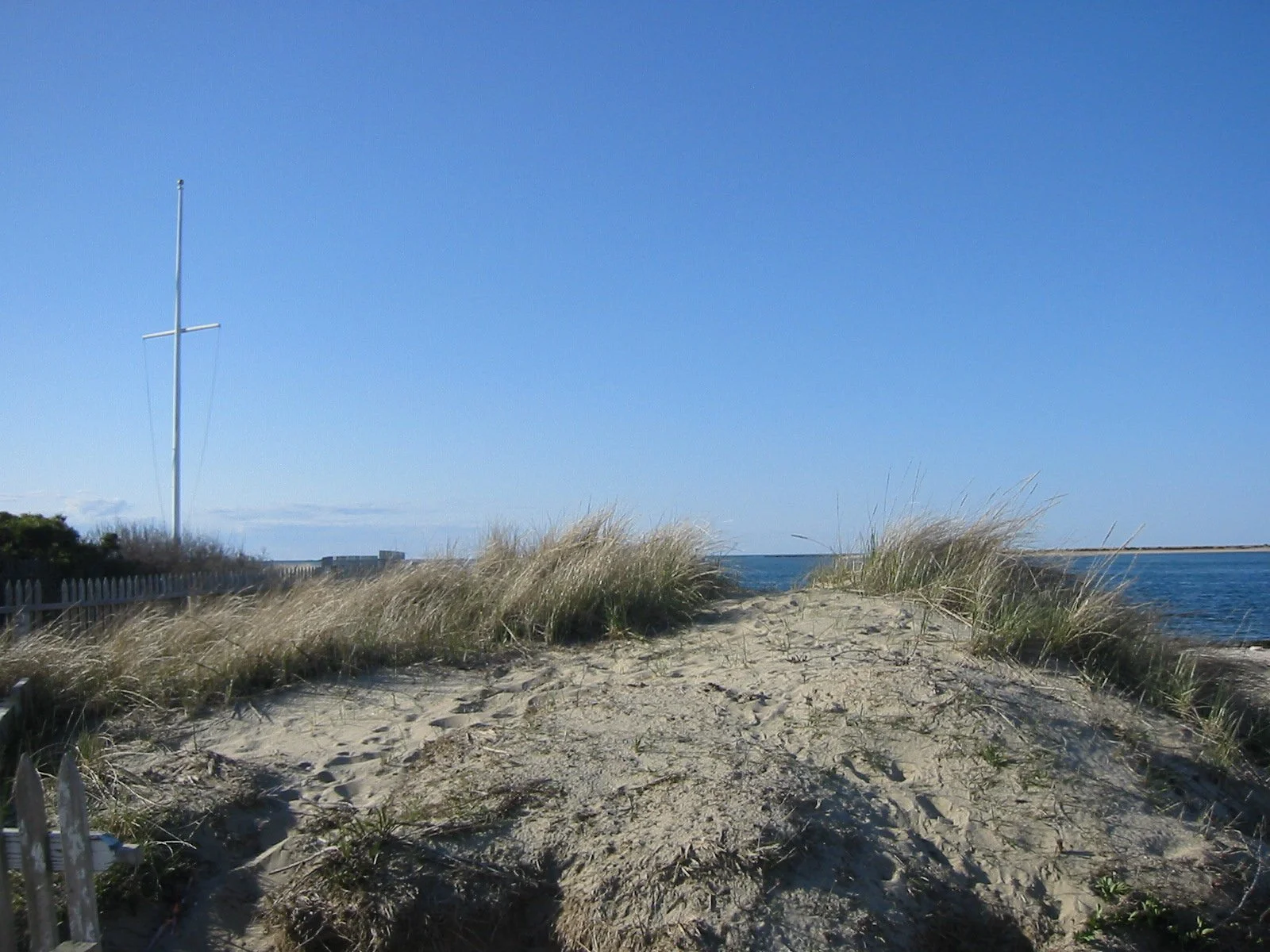
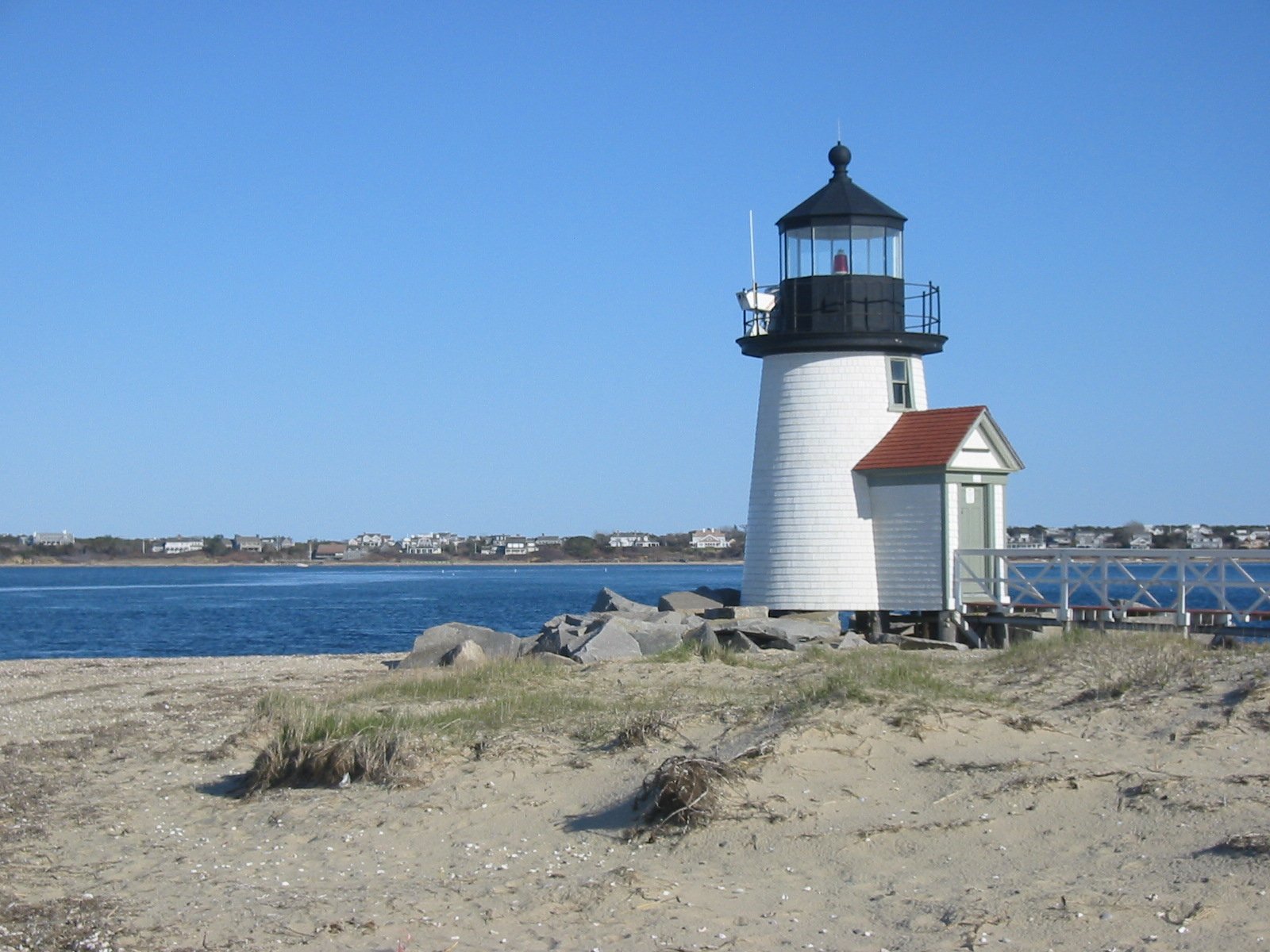
Established in 1746, Brant Point Lighthouse is the 10th lighthouse building constructed on Brant Point (the others burned or were blown down). Measuring eight meters in height, it is America’s 2nd oldest lighthouse and the shortest in New England. There is no parking lot nearby, so we walked 160 meters across sand to reach the lighthouse. Before our return trip on the ferry, we explored Nantucket Town (aka “The Town”), passing its whaling museum, library, and several art galleries.