France. Traveling by Balloon Over the Loire Valley
Covering more than 800 square kilometers, the picturesque Loire Valley stretches across central France, from Chalonnes-sur-Loire in the west to Sully-sur-Loire in the east. Surrounding villages and small towns are forested and wooded parcels filled with wild boar, deer, ducks, and pheasant. There are also fields with wheat, barley, corn, sunflowers, and strawberries. Along with cultivated areas are orchards, vineyards, and pastures for cattle and goats. The valley’s importance as an agricultural and wine producing area has contributed to its nickname, “Garden of France.” The Loire Valley also has a rich history. Some of its chateaus have been owned by the same family for six or more generations.
Humans first occupied the Loire Valley about 5,000 years ago. Between 58 and 52 BC, Roman Emperor Julius Caesar launched military operations into Gaul (France). The Romans built cities and roads and planted the first grape vines for winemaking. Later, forces under Frankish King Clovis pushed out the Romans. French kings were drawn to the valley by opportunities to hunt and by the region’s mild climate. For several decades the valley served as a frontier between English-controlled France to the north and the French-occupied region to the south.
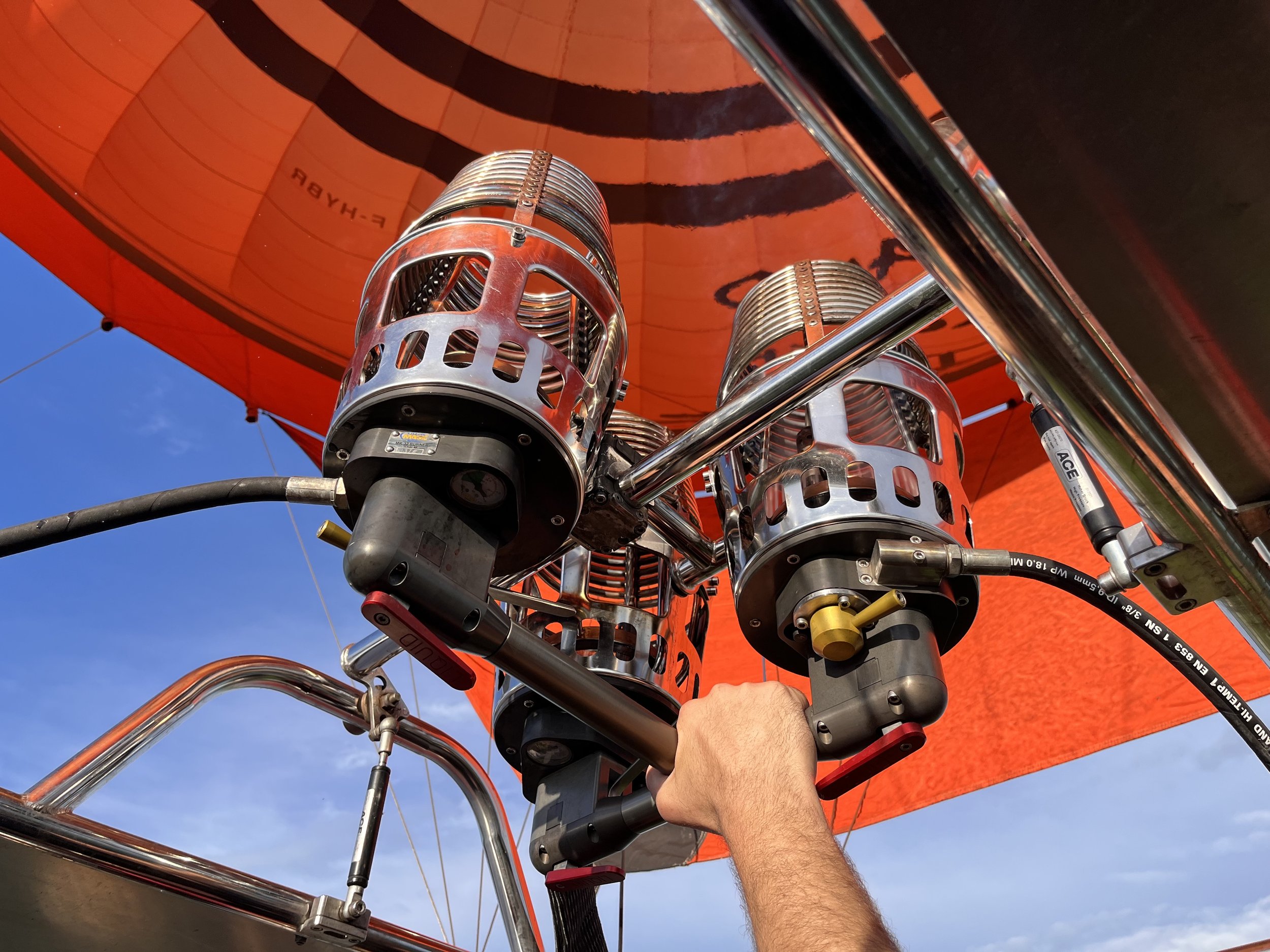
Departing Paris, we drove southwest for two hours, passing orchards with apple, cherry, and Anjou pear trees. The picturesque city of Amboise has narrow streets lined with shops, restaurants, and hotels. After checking into our hotel, we found lunch at a nearby café. Carrying a duck, rooster, and sheep, the first successful hot air balloon sortie was supervised by French scientist Pilatre De Rozier in 1783. The sport of hot air ballooning began in France during the early 18th century and has evolved with technological advances of the 20th century such as new types of nylon balloon fabrics and the use of propane burners. Balloon launches are typically made in cooler morning hours when winds are light and extreme updrafts and downdrafts can be avoided. Before launching the pilot must be certain that the balloon can travel free of obstructions such as towers and powerlines and that the flight will terminate at an appropriate landing spot.
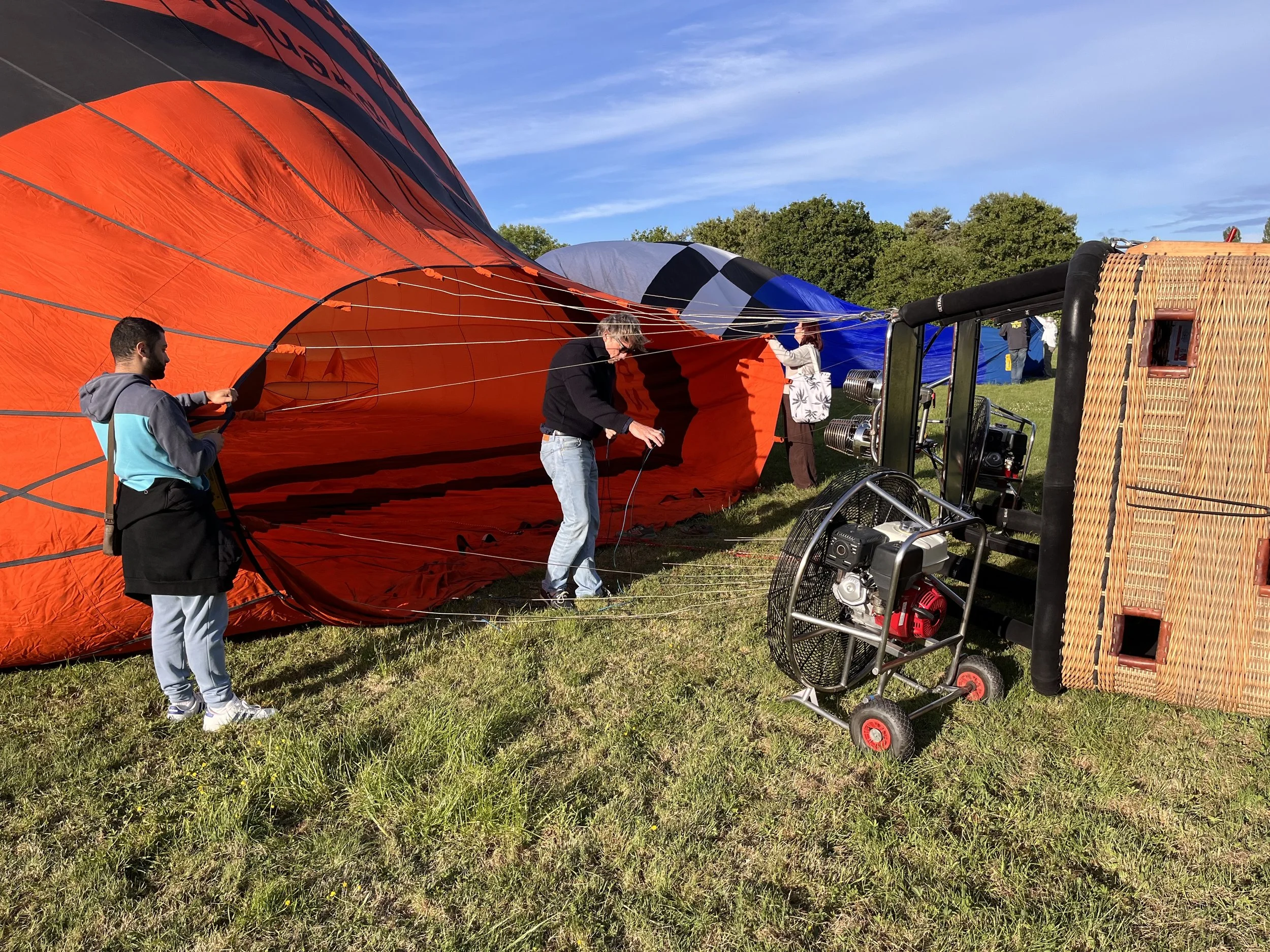
We climbed into a van for the short ride to an open field that would facilitate our departure. My wife and I watched as crewmembers unpacked the balloon and connected the basket and burner. Large fans were used to blow air into the nylon balloon (aka envelope). When it was partially inflated, gas burners were ignited to increase the temperature of air inside. After the envelope was fully upright, we were invited to enter a wicker basket (aka gondola) designed to carry eight passengers and a pilot. With an open bottom end, hot air balloons float because of buoyancy created by warm air inside that is less dense than air around the envelope.
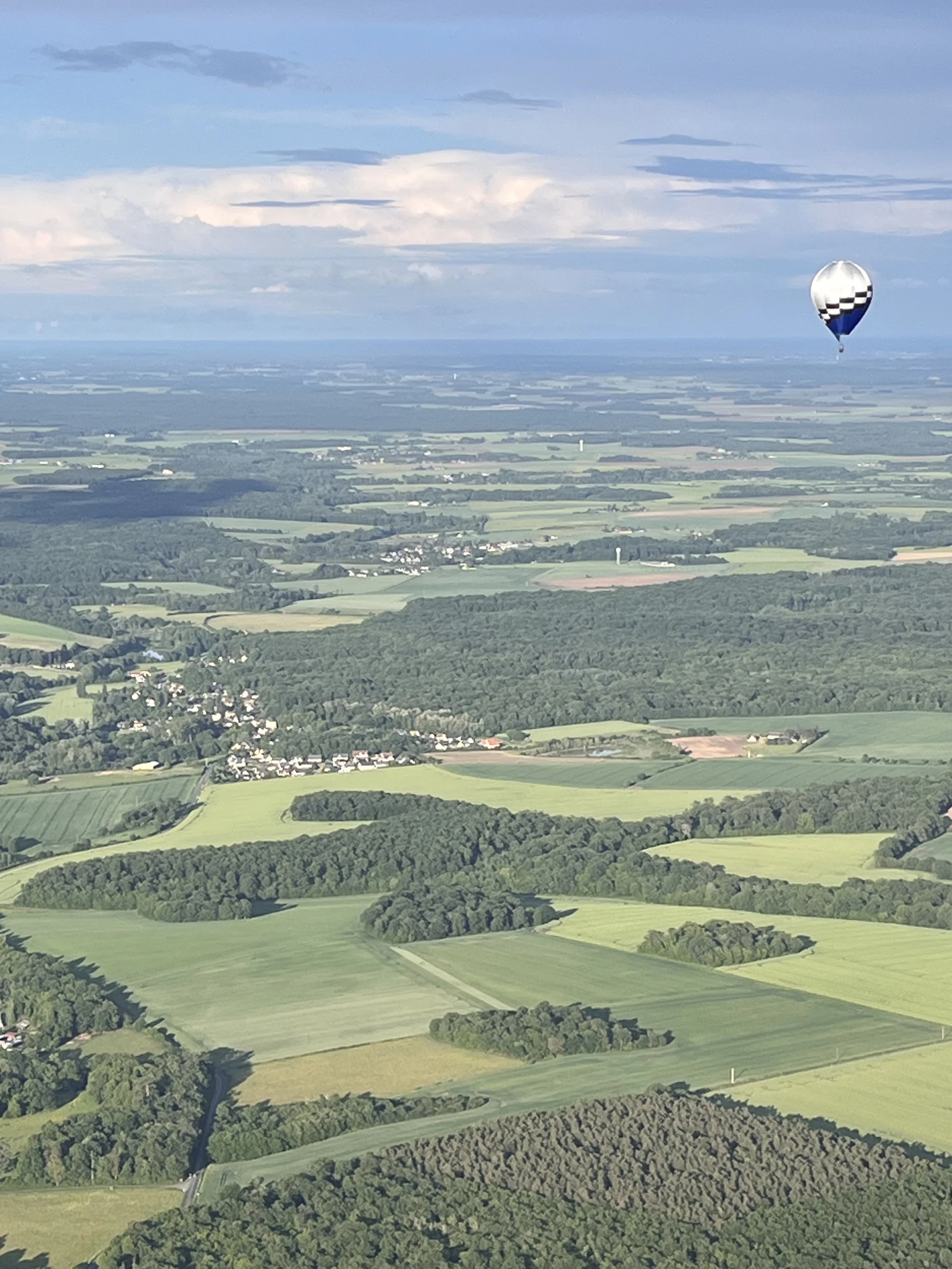
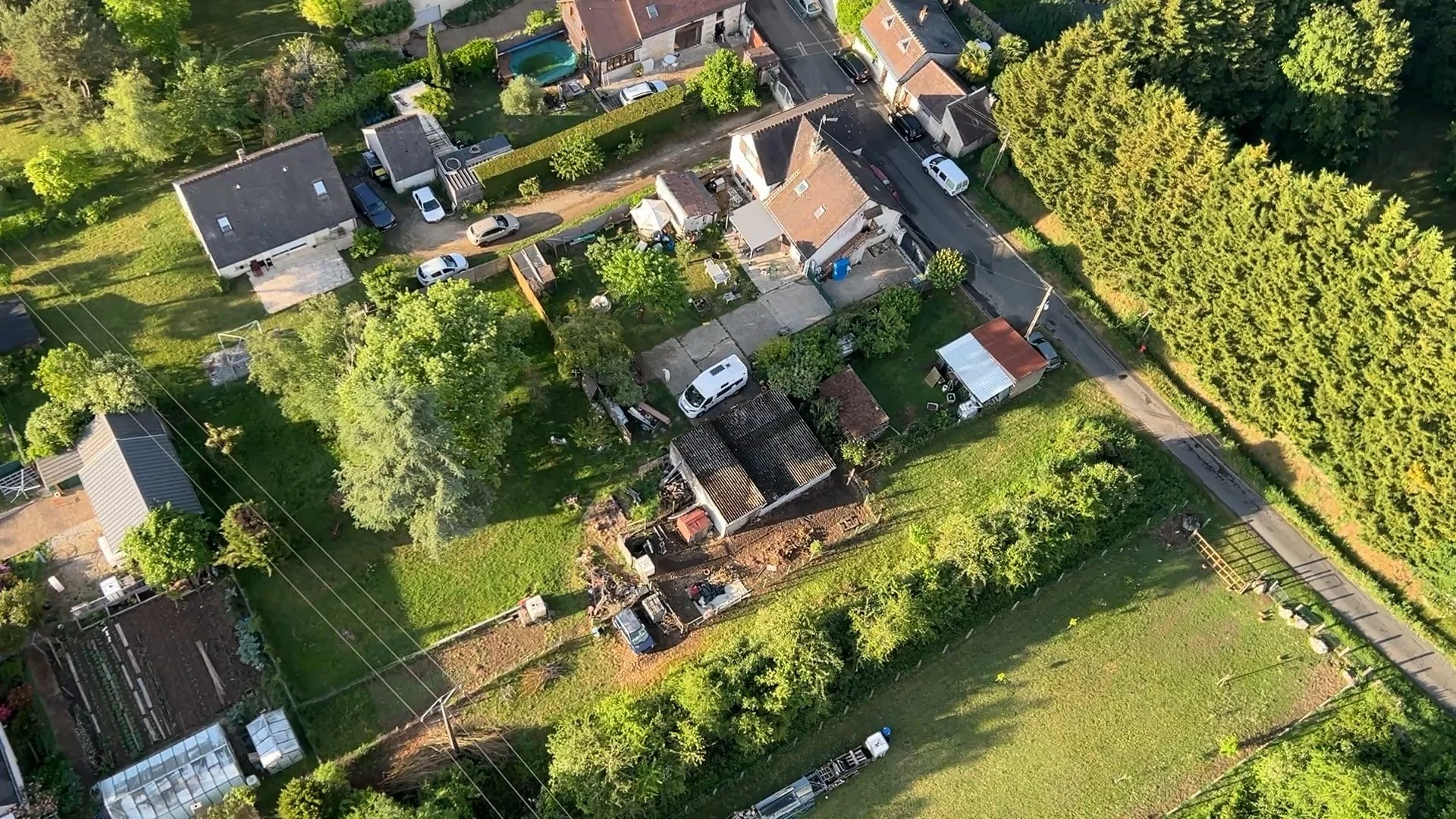
Our pilot turned up the flow of gas being used to heat air in the envelope. There was a noticeable delay between heat being applied and when the gondola began to rise. Once airborne, our pilot increased our altitude to a few hundred meters over the countryside and soon we were passing over fields and villages. Moving about 20 kilometers/hour, the wind carried us south of the Loire River and northeast of Amboise with a route that passed over the towns of Sainte-Régle, Artigny, Le Grand, Mosnes, and Rilly-sur-Loire. To coordinate our landing, the pilot made occasional calls to two chase vehicles that each pulled a trailer (one for the envelope and another for the gondola).
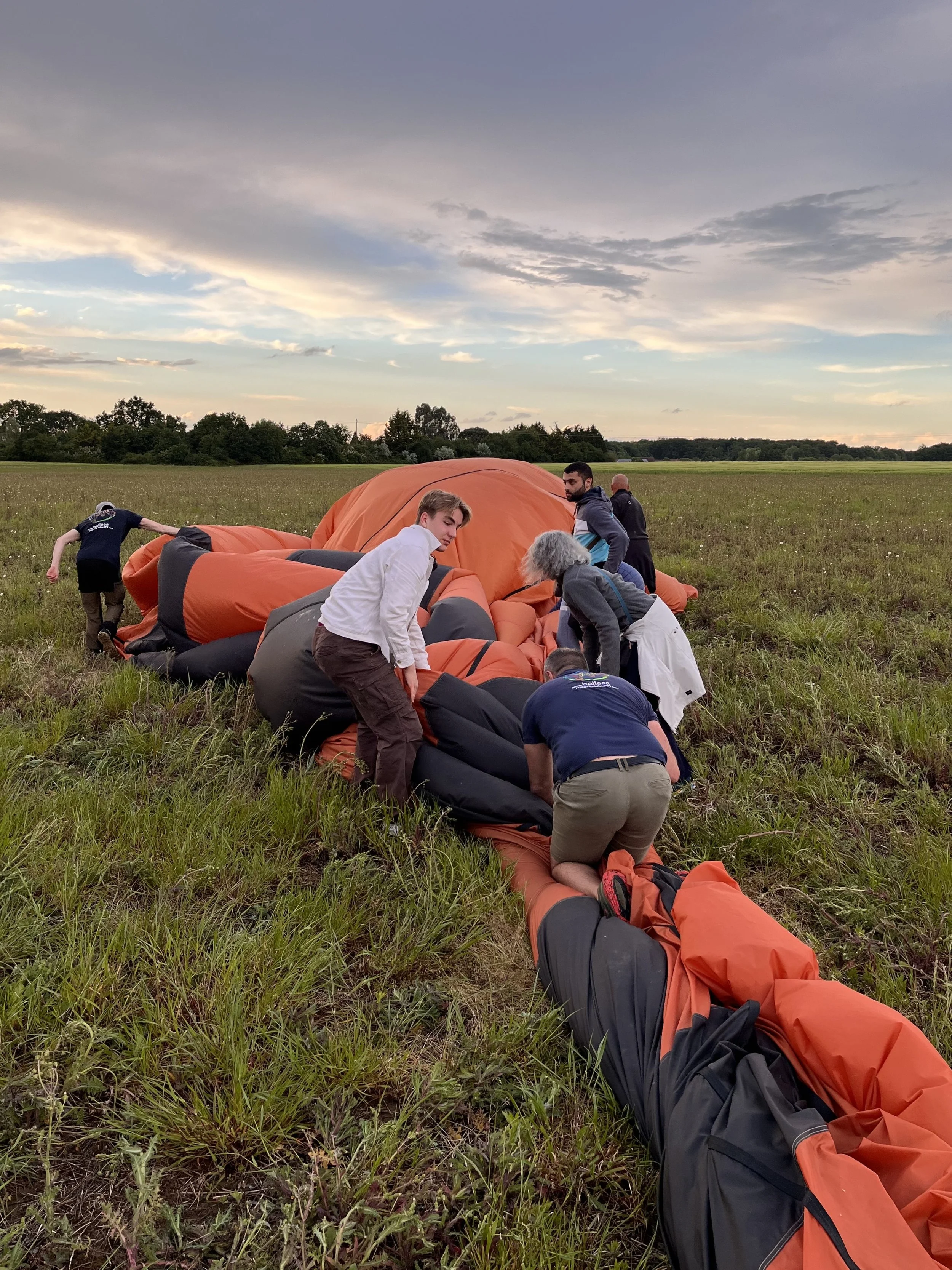
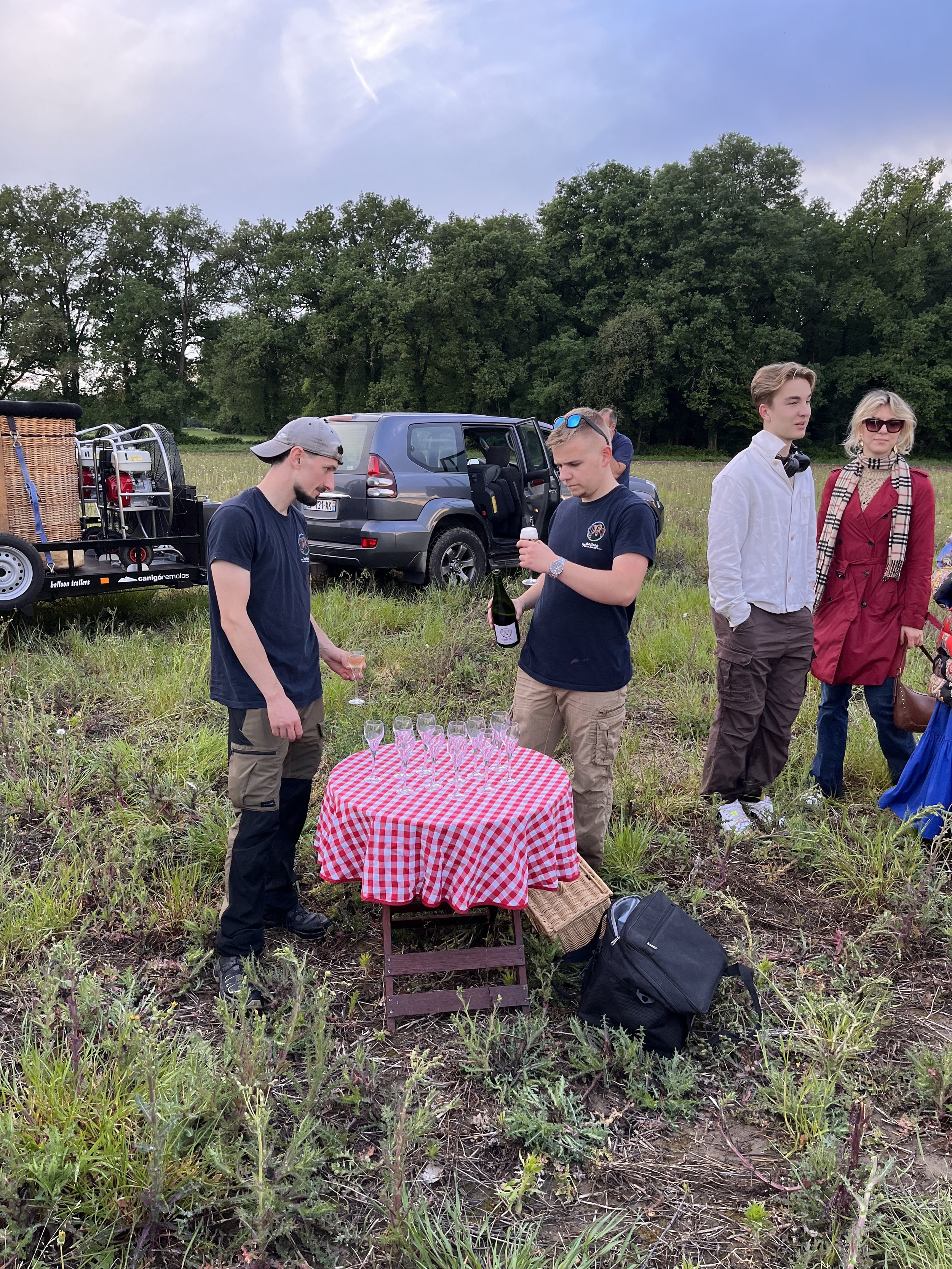
Our descent for landing took us low over trees on the edge of a recently harvested field. Before touching down, we were instructed to hold grips positioned along the inside of the gondola. After disembarking, we helped with the deflation and repacking process. Before departing, the crew treated us to champagne, a tradition that originated when an early balloonist was threatened by an armed farmer standing below. To prove he was French, the pilot lowered a bottle of champagne tied to a rope.