Russia. Stalin’s Experiment with Private Enterprise on Moscow’s Red Square
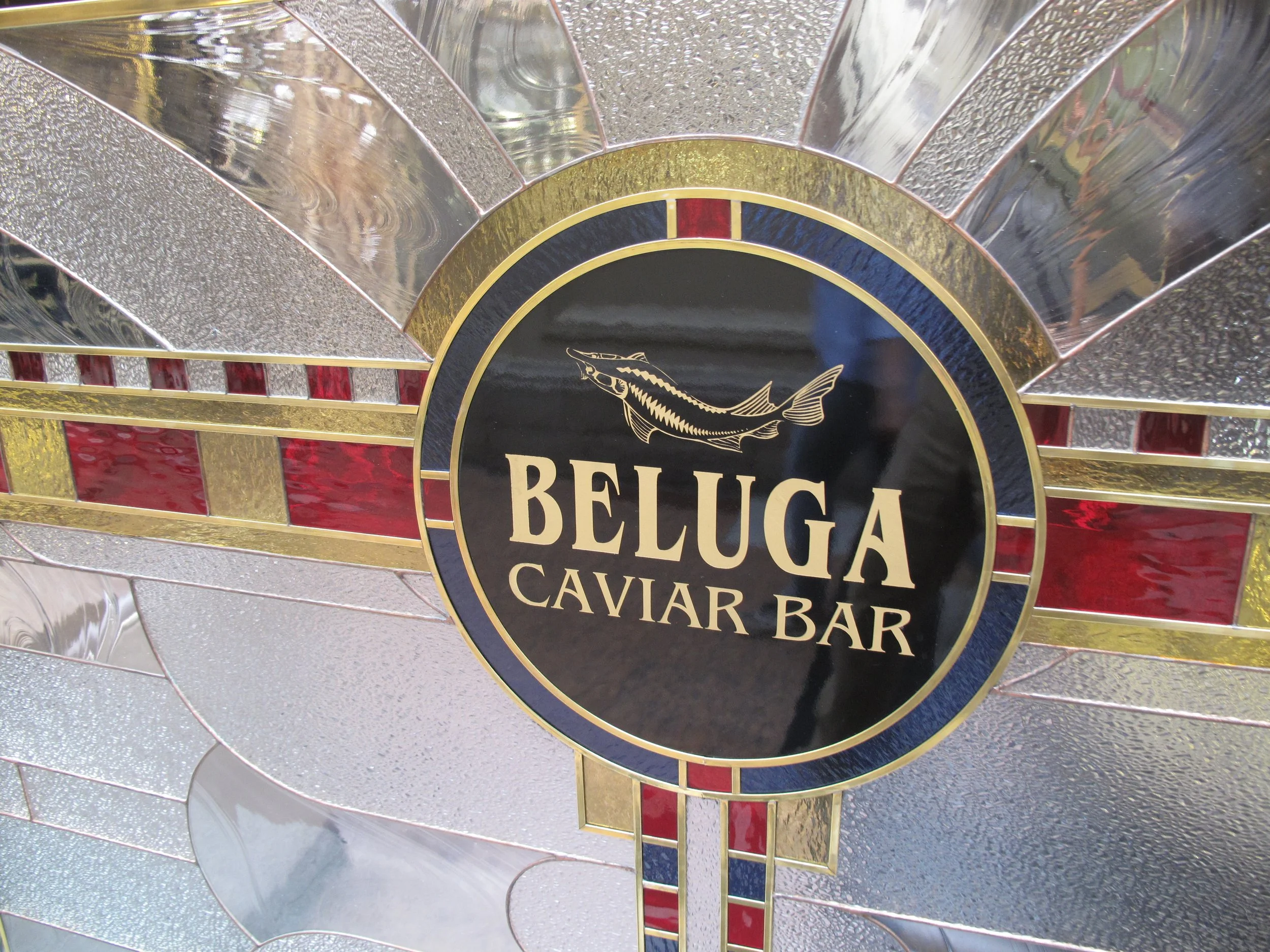
Having grown up during the Cold War, I pictured Moscow’s Red Square as a place where choreographed parades of soldiers, tanks, and missiles projected the Soviet Union’s military strength. Indeed, on one side of the square is Lenin’s Tomb and the Kremlin, the focus of the country’s power and control. Oddly, on the opposite side is a massive shopping center with stores that sell Prada handbags, Tissot watches, Cartier jewelry, and Beluga caviar. What would Lenin have said about shops catering to the bourgeoisie being located in the heart of the workers’ city? Officially known as Glavny Universalny Magazin (GUM) meaning “main universal store,” the shopping center is among the largest in Russia. It boasts a 242-meter-long façade and a fairy-tail look with turrets and arched entrances. With more than 2,000 employees, GUM is visited by 60,000 shoppers each day.
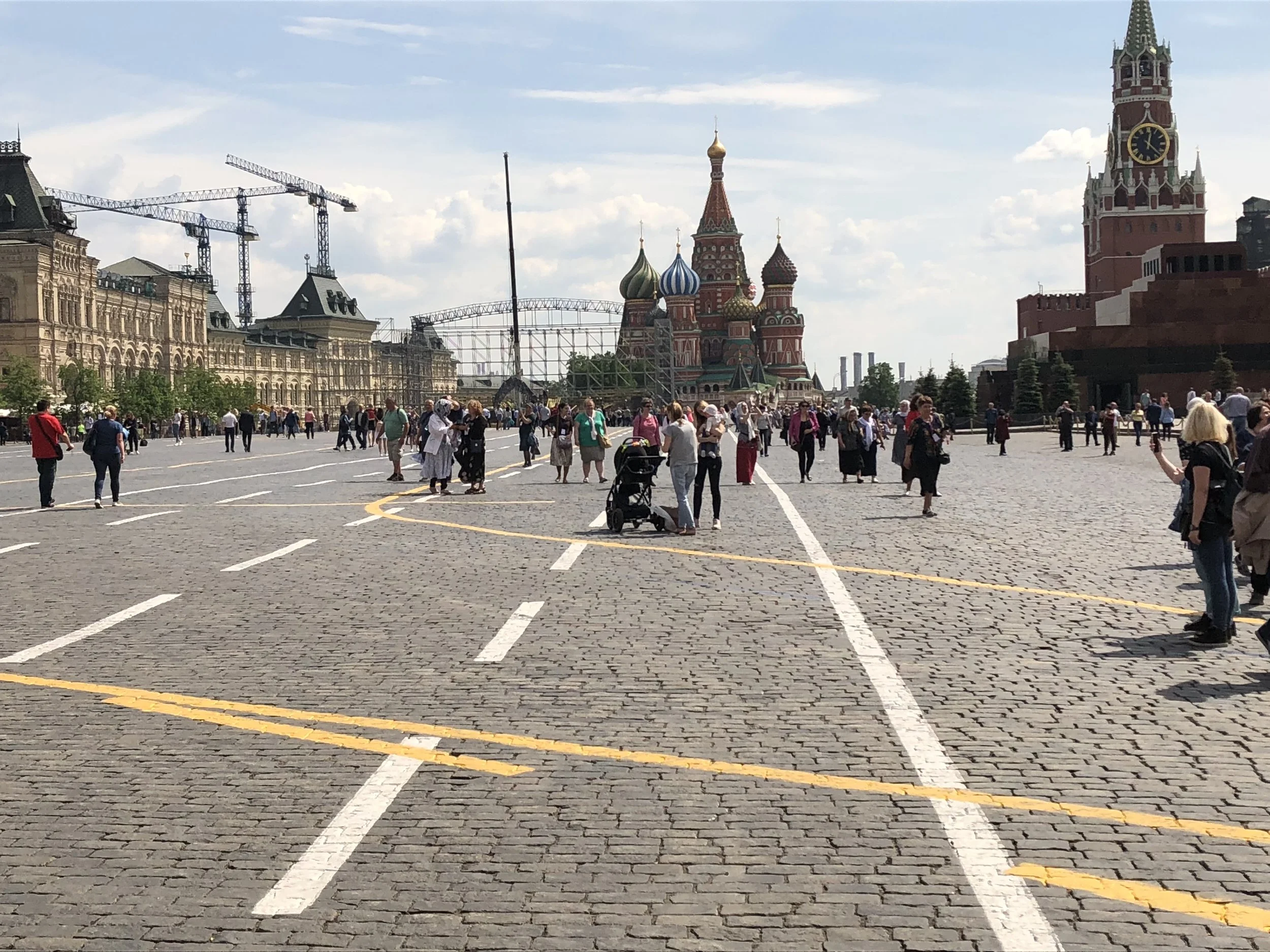
The site where GUM is located has a long history as a marketplace and was used by peddlers long before a building was constructed. In 1520, a large stone arcade was built as space for vendors’ stalls. The present structure replaced a building commissioned by Catherine II that was lost to fire during Napoleon’s invasion in 1812. When it opened in 1894, the structure was the largest shopping center in Europe. Among its features was a massive glass roof that mimics 19th century London railway stations. The center’s designer, Alexander Pomerantsev, brought sixteen buildings under a single roof. Designed to illuminate its central corridor, the roof’s 60,000 panes of glass were built over a metal framework. Pomerantsev’s structure was designed to be self-sufficient with its own railroad to bring in goods. It is also served by a power generation plant and well. The building’s basement was used for wholesale trade, its main floors for retail trade, and portions of its upper floor for company offices.
Among its attributes, GUM was the first shopping area in Russia to have fixed prices. When the Russian Revolution took place in 1917, the shopping center had 1,200 stores. Soon after, the building was nationalized and until 1928 the communists operated GUM as a model to show how private enterprise could coexist within a socialist state. Stalin closed GUM in 1930 and converted its interior into space for government ministries. When it reopened in 1953, GUM was among a few shopping areas in the Soviet Union that didn’t have a shortage of consumer goods. At the beginning of each shopping day an announcement would be made in Russian on the building’s public address system, saying: “Workers of the store! In five minutes, our store opens. Take your place and get ready for exemplary service.”
Today, GUM hosts about 150 shops, restaurants, and salons within 75,000 square meters, the equivalent of eleven soccer fields placed side to side. After walking through Red Square and touring St. Peter’s Basilica, my companions and I had lunch at one of GUM’s upstairs restaurants. Afterwards we returned to the first floor where we passed a large fountain in the building’s main corridor often used as a meeting place by shoppers.
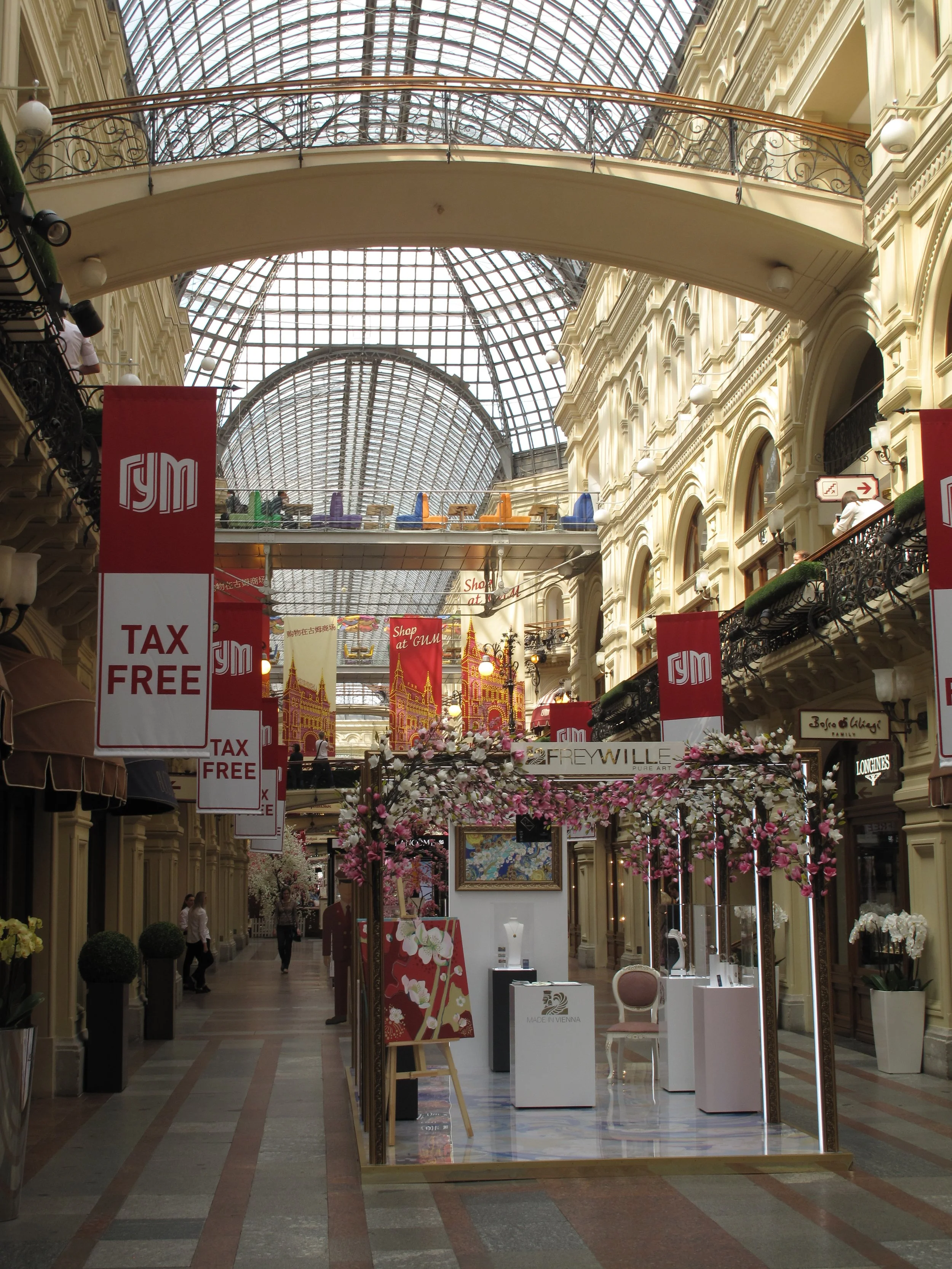
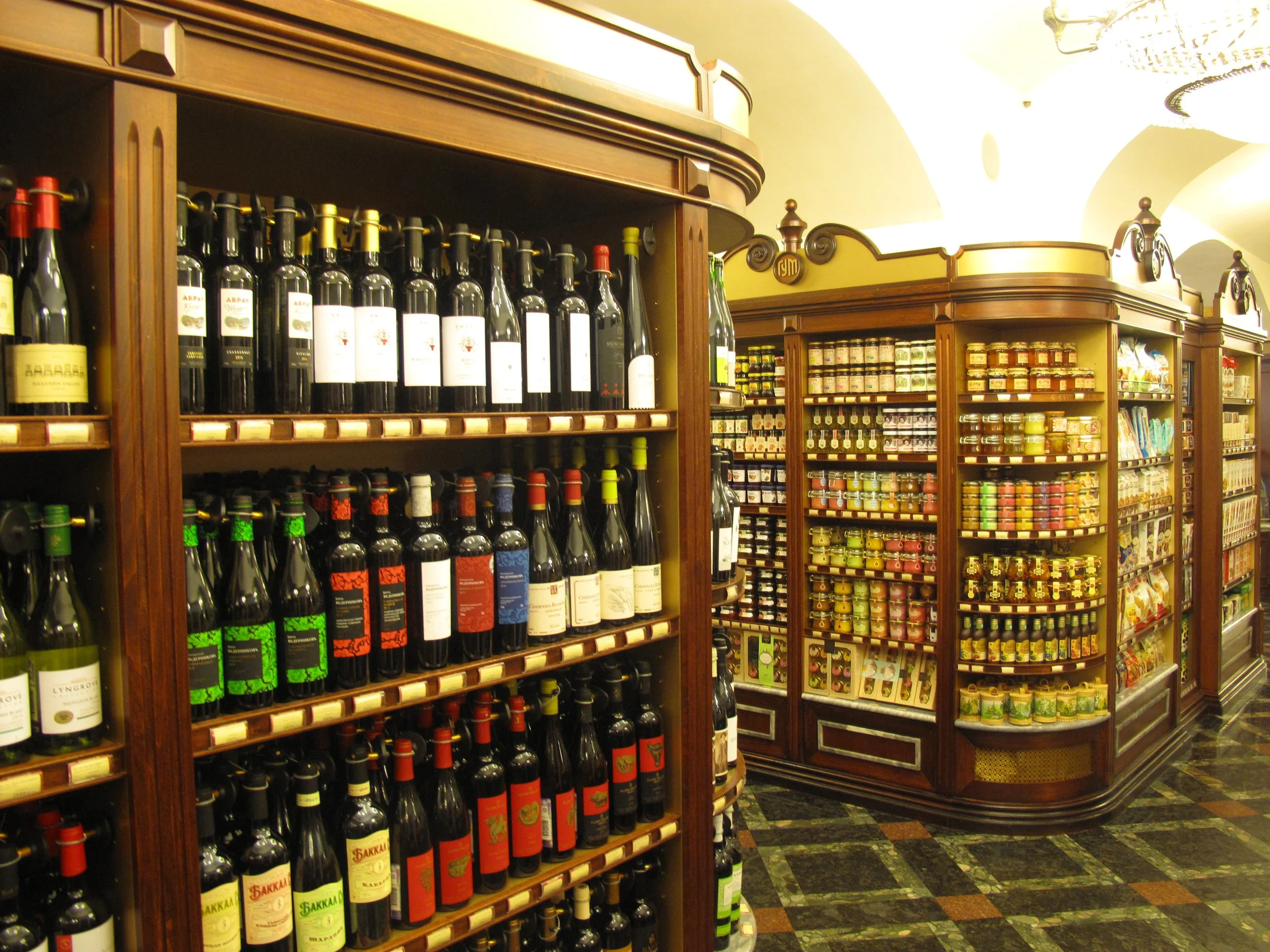
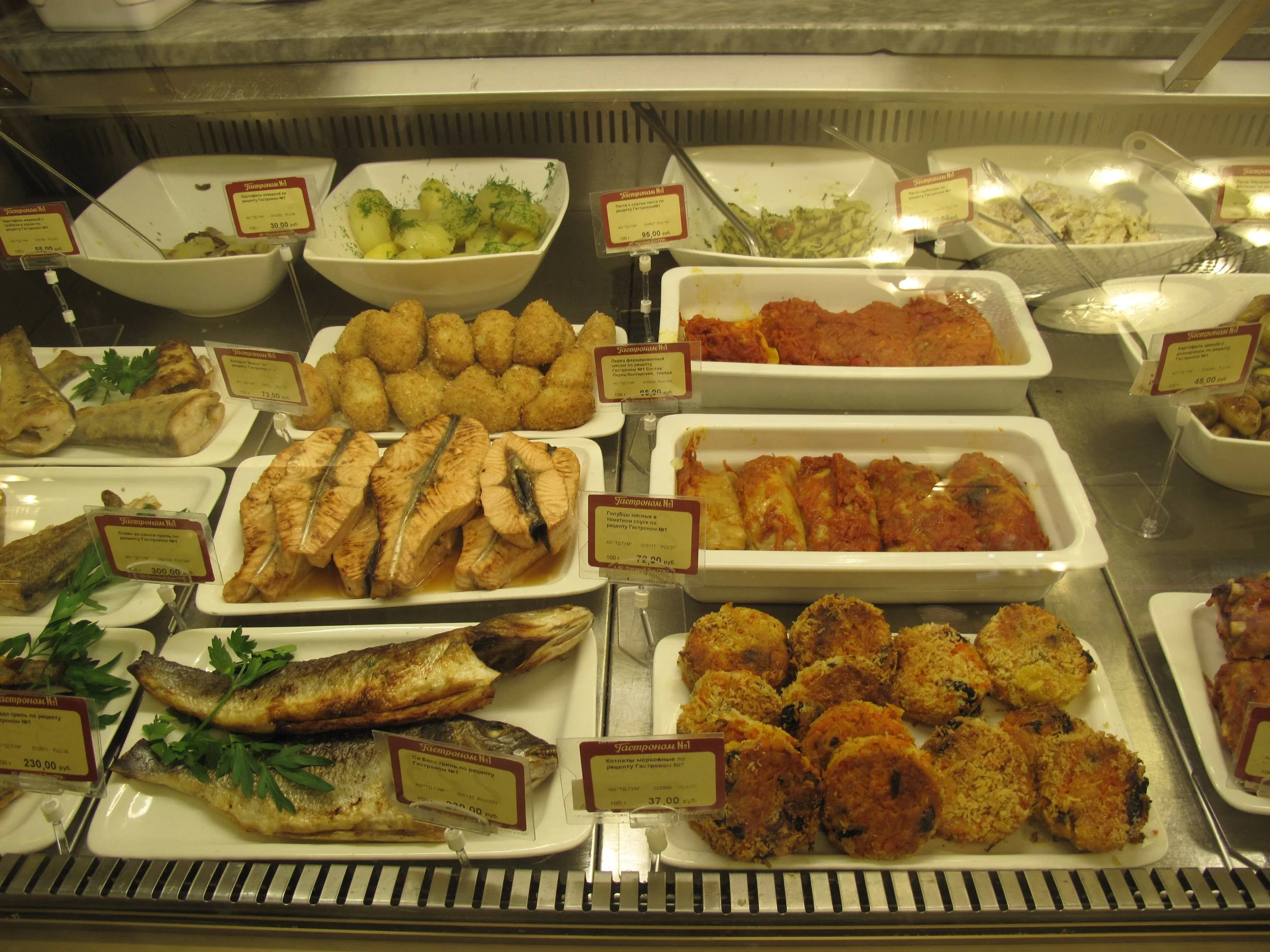
Passing stores selling ice cream, vodka, and designer clothing, we entered Gastronome No. 1, GUM’s only supermarket. From marble counters shoppers can purchase Kamchatka crab, Antonovka apples, Tambov ham, and Sri Lankan tea. At a shop called Naslediye, it’s possible to buy souvenirs such as Matryoshkas nesting dolls and Fabergé eggs. A kiosk in the main corridor offers tickets to see opera or ballet performances at the Bolshoi Theatre. Shoppers can also stop at a specialty bar for a sample of caviar served with a shot of vodka. Located on the 3rd floor, GUM’s cinema has three sections: a large hall with seventy seats, a children’s hall, and a VIP lounge.
In the basement are the historic GUM bathrooms where for 150 rubles you can shower, shave, and/or freshen-up. During the Soviet era a secret store called “Section 100” provided clothing for high echelon party members. GUM also has a pharmacy, flower shop, and branch bank. Outside and within a portion of Red Square, GUM staff members set up a skating rink and Christmas tree exhibit each December.