Spain. Northeastern Spain’s Melting Pot of Magic
Barcelona has a unique look among Spain’s larger cities. Blending historic buildings with modern skyscrapers, its skyline projects a cosmopolitan atmosphere while its inviting neighborhoods and vibrant public spaces emphasize an outdoor lifestyle. Barcelona is located west of the Collserola Mountains and on the Mediterranean Sea between the mouths of the Besòs and Llobregat Rivers. Barcelona is Spain’s second largest metropolitan area (1.6 million). A settlement was first founded on the site by Phoenicians engaged in trade and it is believed that Hamilcar Barca, Hannibal’s father, named the settlement “Barcino” during the 3rd century BC. Romans built a castrum (military camp) and a forum where Plaça de Sant Jaume Square is now located. The city was conquered by Visigoths in the 5th century and Muslim Umayyads early in the 8th century. During the late Middle Ages, Barcelona joined the Kingdom of Aragon and in 1516 the Crown of Aragon merged with the Crown of Castile. Barcelona has been a focal point for Catalan separatism and was briefly part of France in the 17th and 19th centuries. Today Spanish is the most common language followed by Catalan which is understood by 95% of the population. The city’s diverse culture including its unique architecture and food have contributed to its moniker, “Melting Pot of Magic.”
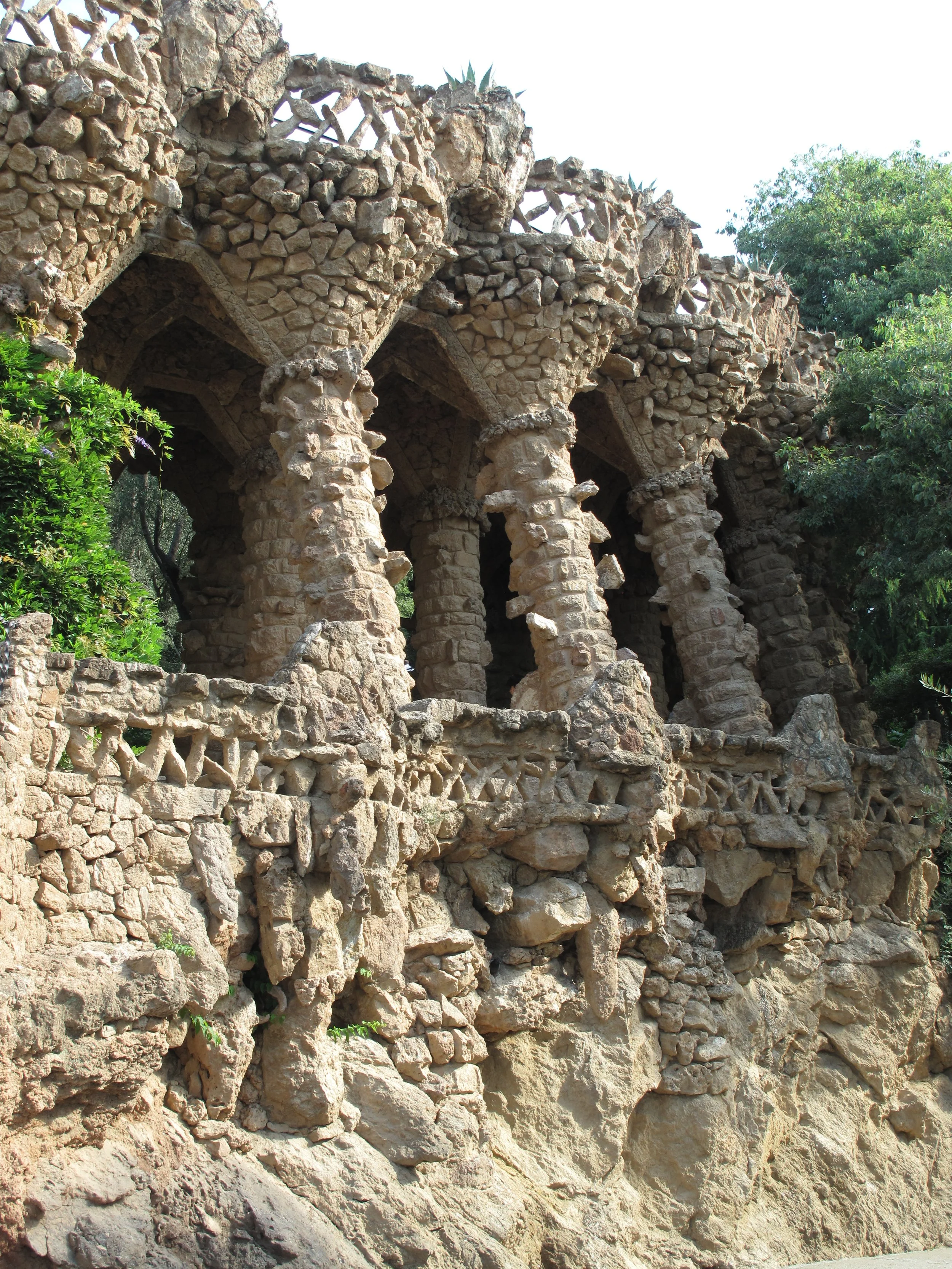
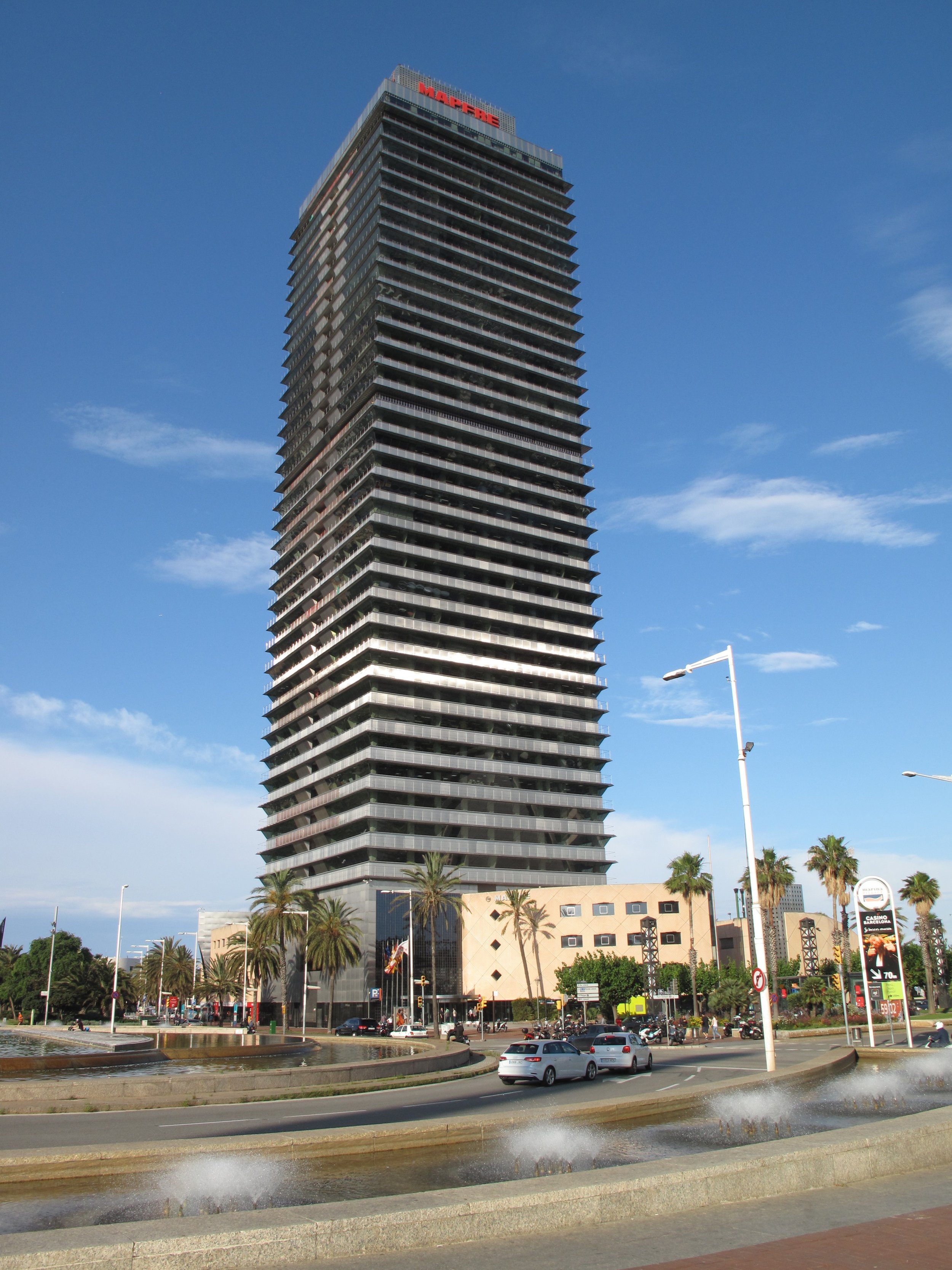
We stopped at Parc Güell, an unusual park designed by Antoni Gaudí who was a major figure in the Aesthetic Movement that championed “art for art’s sake.” Located on a rocky hill called Muntanya Pelada (meaning “bare mountain”), the park was constructed over a fourteen-year period beginning in 1900. Its unique design comes from baroque elements. For example, a large terrace is framed by a long curving bench resembling a serpent. There are elevated pathways created from local stone flanked by fairytale-like houses. Elsewhere the designer cemented chopped pieces of ceramics to form mosaics. We passed the Mapfre Building, a skyscraper located in Port Olimpic (Olympic Port), a maritime neighborhood within the old part of Barcelona.
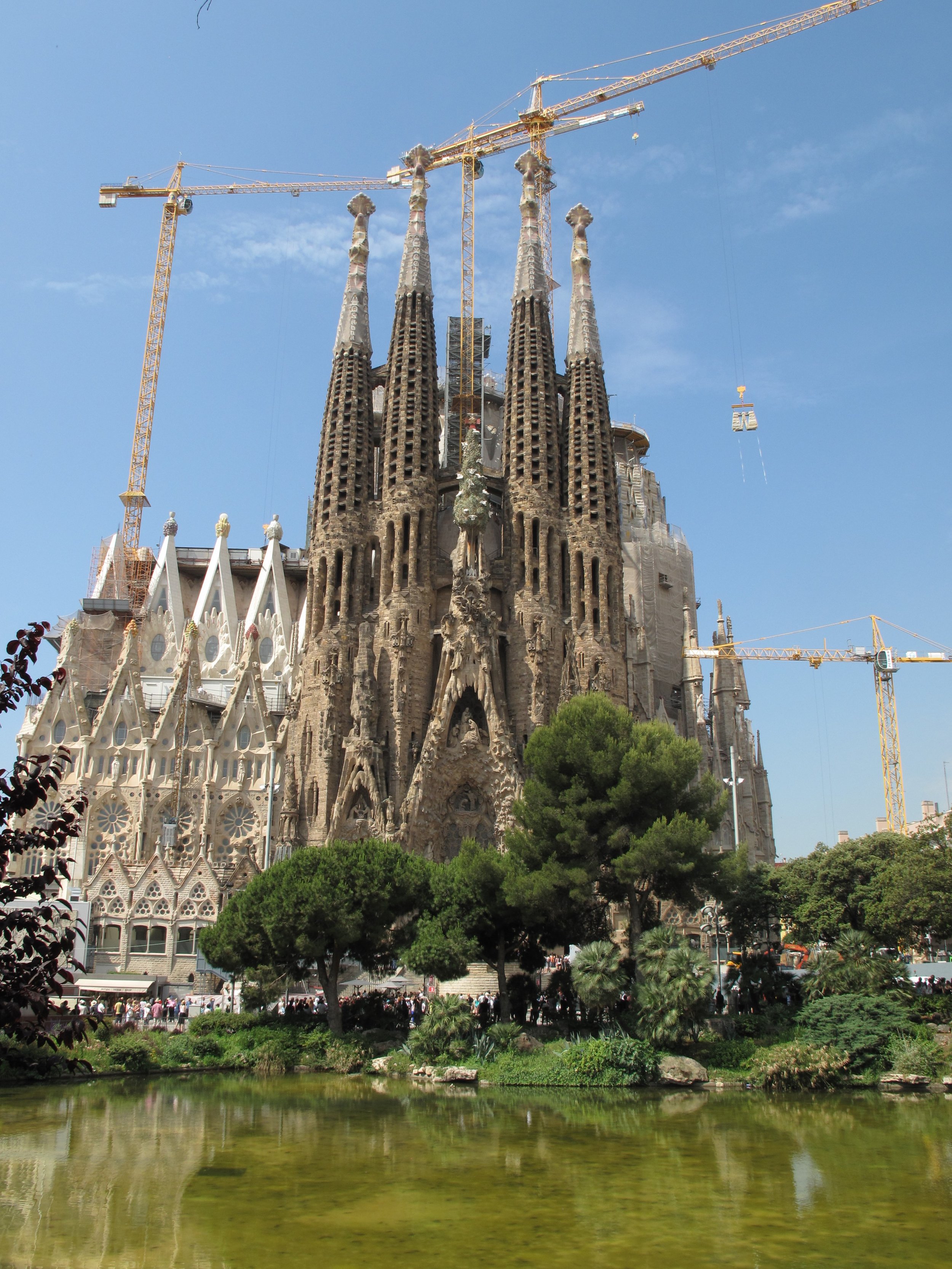
One of the highlights of my Barcelona visit was Sagrada Família, a still unfinished Catholic church that has been supported through donations. Work began on the church in 1882 under the architect Francisco de Paula del Villar and later, Antoni Gaudí. Gaudí’s designs blended Gothic and Art Nouveau styles. The building has flying buttresses and many helicoidal piers and hyperboloid vaults. At its top is a Latin cross surrounded on three sides by porticos. There are also eighteen spindle-shaped towers that represent the twelve apostles, the Virgin Mary, and Jesus. When asked about slow progress on the structure Gaudí replied, “My client is not in a hurry.” Following his death in 1926, Gaudí was buried in the church. Work was discontinued during the Spanish Civil War (1936-39). A UNESCO World Heritage Site since 1984, the building’s final decorative elements, including the Glory Staircase, are projected to be finished by 2035.
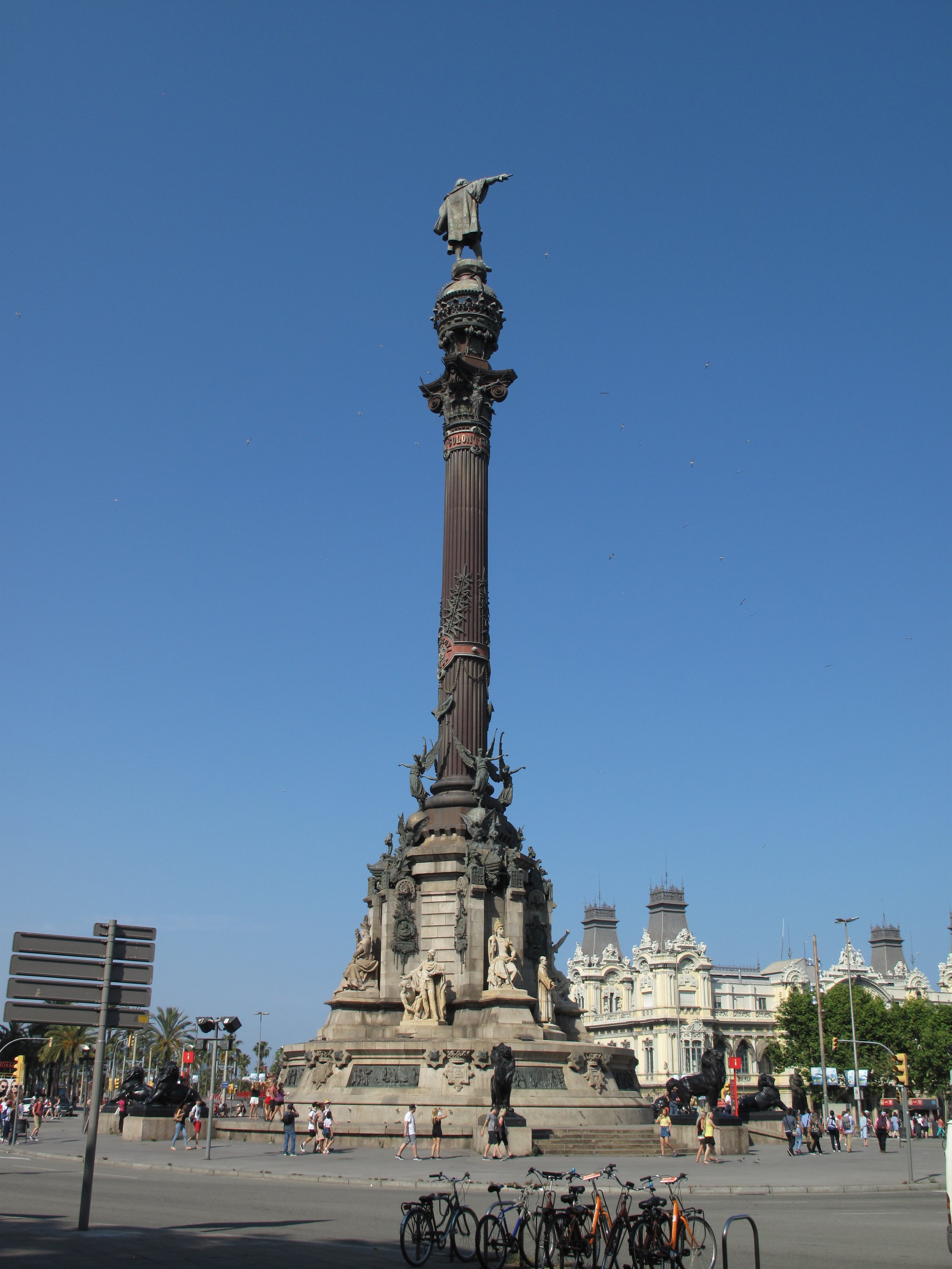
Barcelona’s sixty-meter-tall Columbus Monument was constructed for the 1888 Exposición Universal de Barcelona in honor of the explorer’s first voyage. A bronze statue of Columbus sits atop a 7.2-meter Corinthian column. Columbus is depicted pointing to the new world with his right hand and holding a scroll in his left hand. Around its base are four angels made from bronze and statues of individuals associated with Columbus including Queen Isabella and King Ferdinand. Following protests in favor of removing the statue in 2020, Barcelona’s mayor announced that the statue would not be relocated.
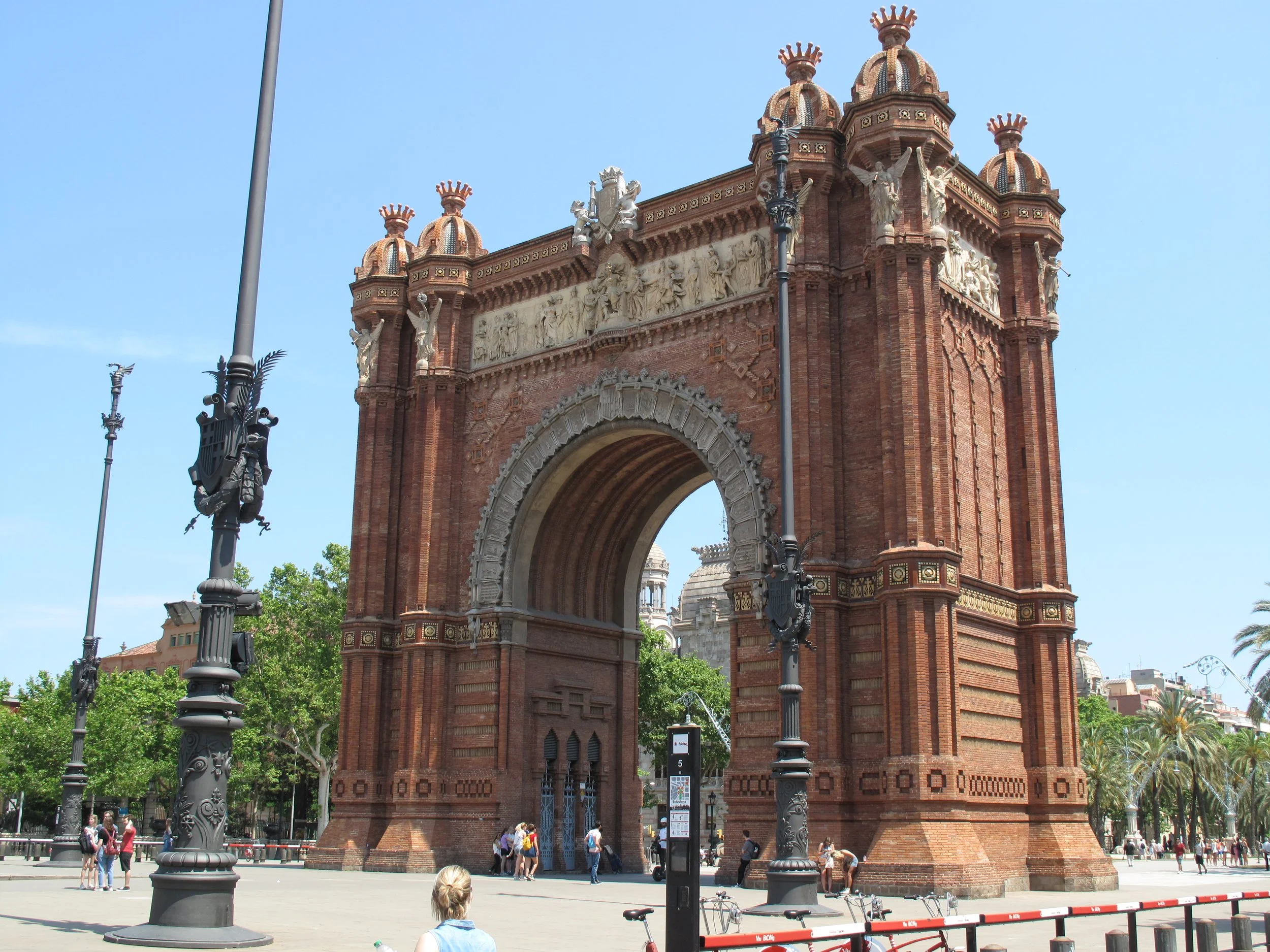
Another monument from 1888 is the Arc de Triomf (Arch of Victory), located at the main gate into the site of Barcelona’s World Fair. Constructed using reddish-brown brick in a Neo-Mudéjar style, the arch does not celebrate military victories. It was designed by Josep Vilaseca.
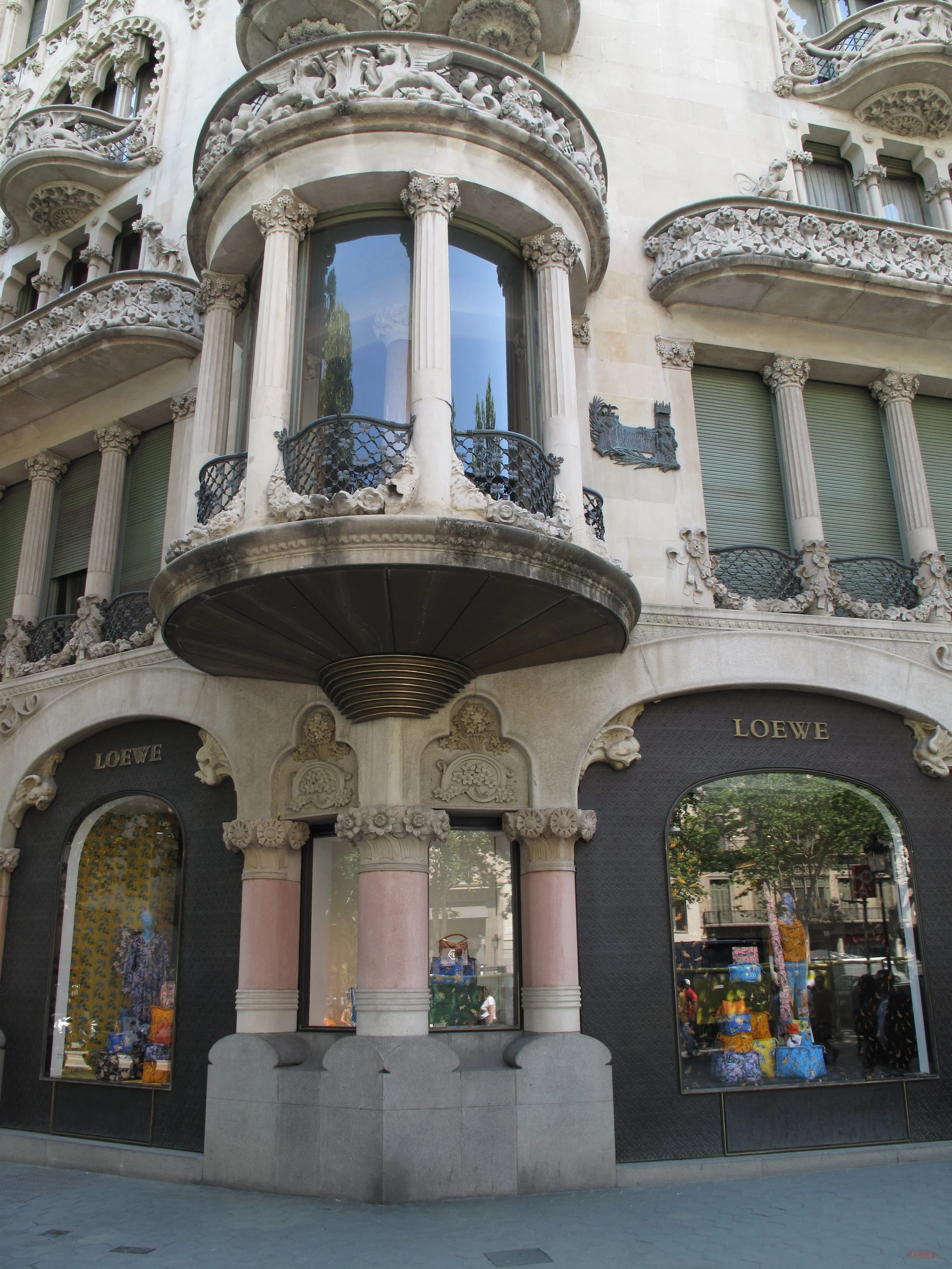
Art Nouveau is an international style of architecture and applied art that is inspired by natural forms and utilizes asymmetry, sinuous curves, and modern materials such as ceramics, iron, and glass. Nine buildings in Barcelona built in the Modernisme style are listed as UNESCO World Heritage Sites.