Poland. Krakow’s Exploding Dragon
Krakow (aka Cracow) is Poland’s royal capital and the country’s second largest city (population 804,000). The oldest part of the city also holds the distinction of being among the first twelve UNESCO World Heritage Sites that were all designated in 1978. Krakow is named for Krakus, the city’s founder and ruler of an ancient tribe called the Vistulans. The city became famous for its position along trade routes connecting Bohemia and Gdansk with Germany, Hungary, and the Crimea. Krakow was the home to monarchs of the Piast Dynasty between 876 and 879. It was controlled by Moravia before being captured by forces loyal to Mieszko I, Poland’s first Christian monarch (reigning from 1025 to 1031). In 1241, the city was nearly destroyed by invading Tatars. Krakow remained Poland’s royal capital until the late 16th century when King Sigismund III Vasa transferred the royal court to Warsaw.
For centuries, Krakow hosted one of Europe’s most important Jewish communities and by the mid-17th century the city had seven synagogues. For a brief time (1815-46) the city was the independent Republic of Cracow. German soldiers entered Krakow after Poland was partitioned between Germany and the Soviet Union at the beginning of WWII. Soon after, a portion of the city was designated the Jewish ghetto from which thousands of Jews were deported to Nazi concentration camps. In 1978, Karol Wojtyla became the first non-Italian to serve as pope in more than 450 years. Before being named Pope John Paul II, Wojtyla lived in Krakow for four decades as a student, priest, professor, bishop, and cardinal.
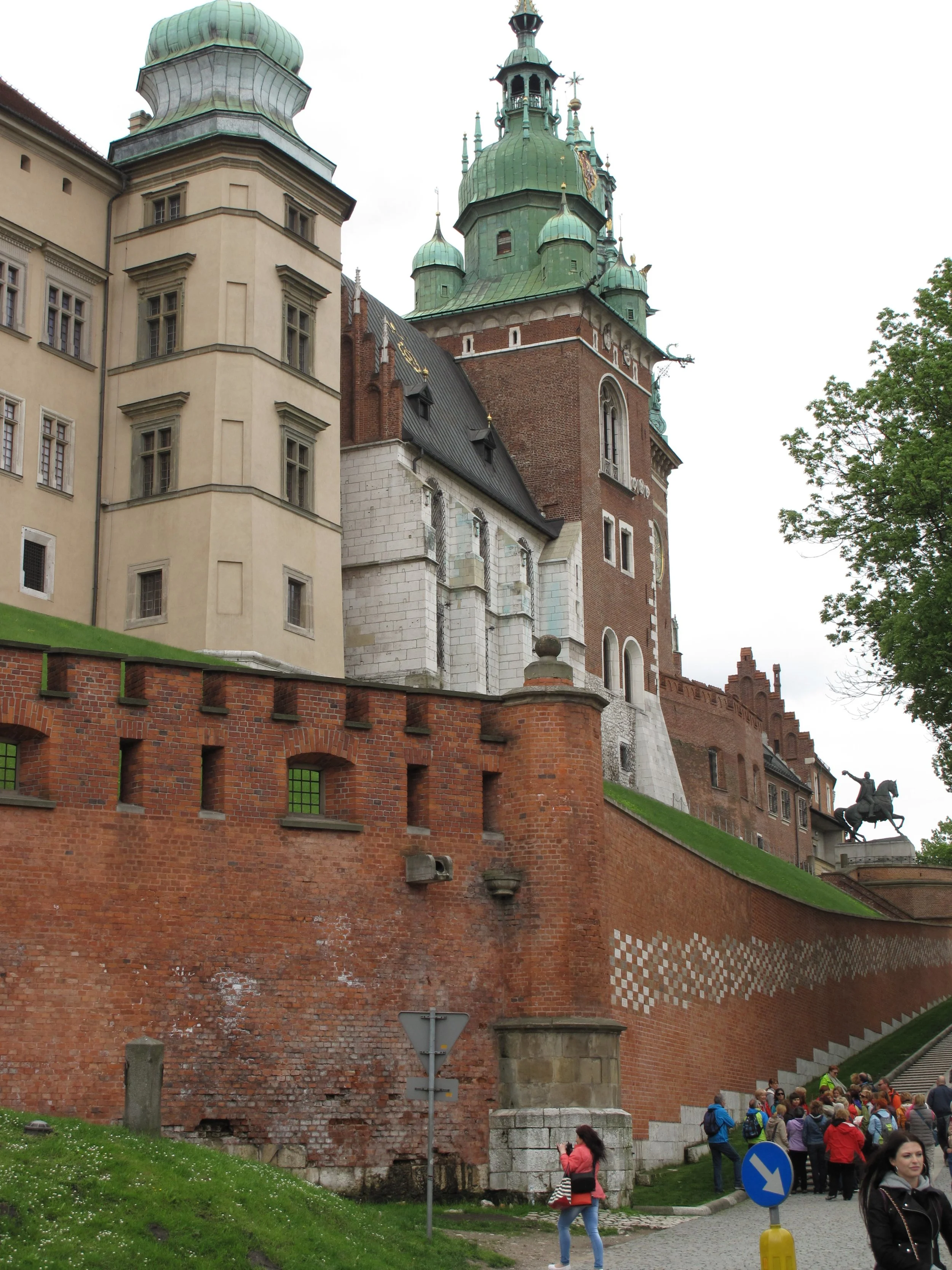
Located on a limestone outcrop, Wawel Castle is a fortified residence built under the direction of King Casimir III (1310-70). Inside, Wawel Cathedral was the site of royal coronations and burials. The castle complex includes the crown treasury, armory, state rooms, royal apartments, and Sandomierska Tower. Today, the castle’s museum displays Italian Renaissance-era paintings, sculptures, textiles, armor, and other historical artifacts. A 13th century legend tells of a fire-breathing dragon named Smok Wawelski that terrorized Krakow. Living under the castle, the creature ate people and was only appeased by regular feedings of cattle. When no knight was successful in killing the dragon, a shoemaker named Skuba stuffed a ram’s hide with sulfur and pitch and left the carcass near the dragon’s den. The evil beast quickly devoured the ram, igniting the sulfur. Feeling pain in his throat from burning sulfur, the dragon drank water from the Vistula River. However, since water can’t extinguish burning sulfur, gas accumulated inside the dragon, causing the creature to explode. Today, a statue of Smok Wawelski stands between the castle and the Vistula River.
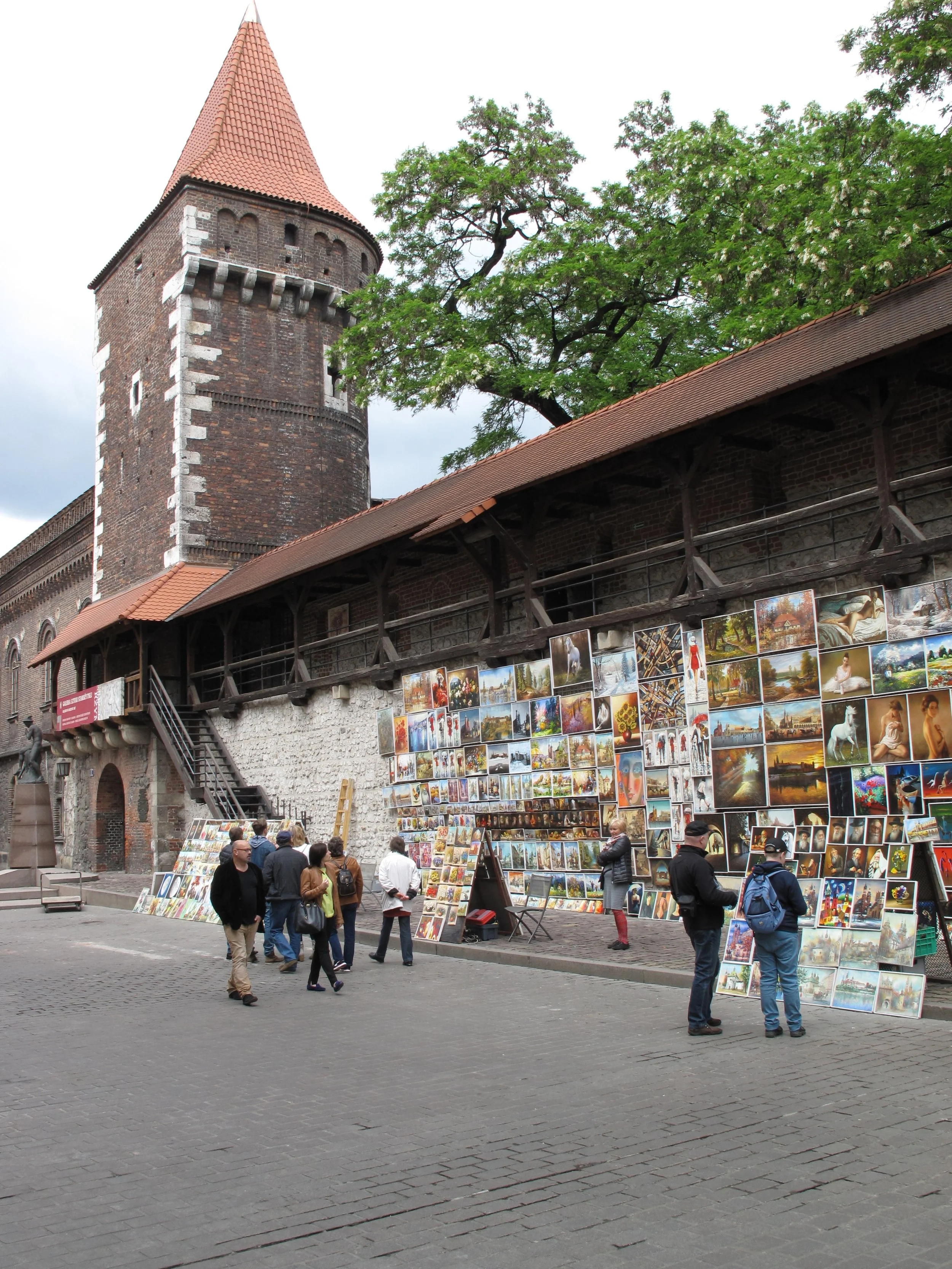
The oldest part of Krakow is best explored on foot. During much of its history the city was surrounded by a ten-meter-high wall with additional protection provided by a six to seven-meter-high inner wall, fortified gates, a moat, and several watchtowers. We walked past St. Florian’s Gate, Old Krakow’s main entry and the last surviving of eight original gates. Built in the Gothic style during the 14th century, the 33.5-meter-high gate featured a drawbridge. Beginning in the 19th century, most of the city’s walls were torn down to make room for streets and buildings.
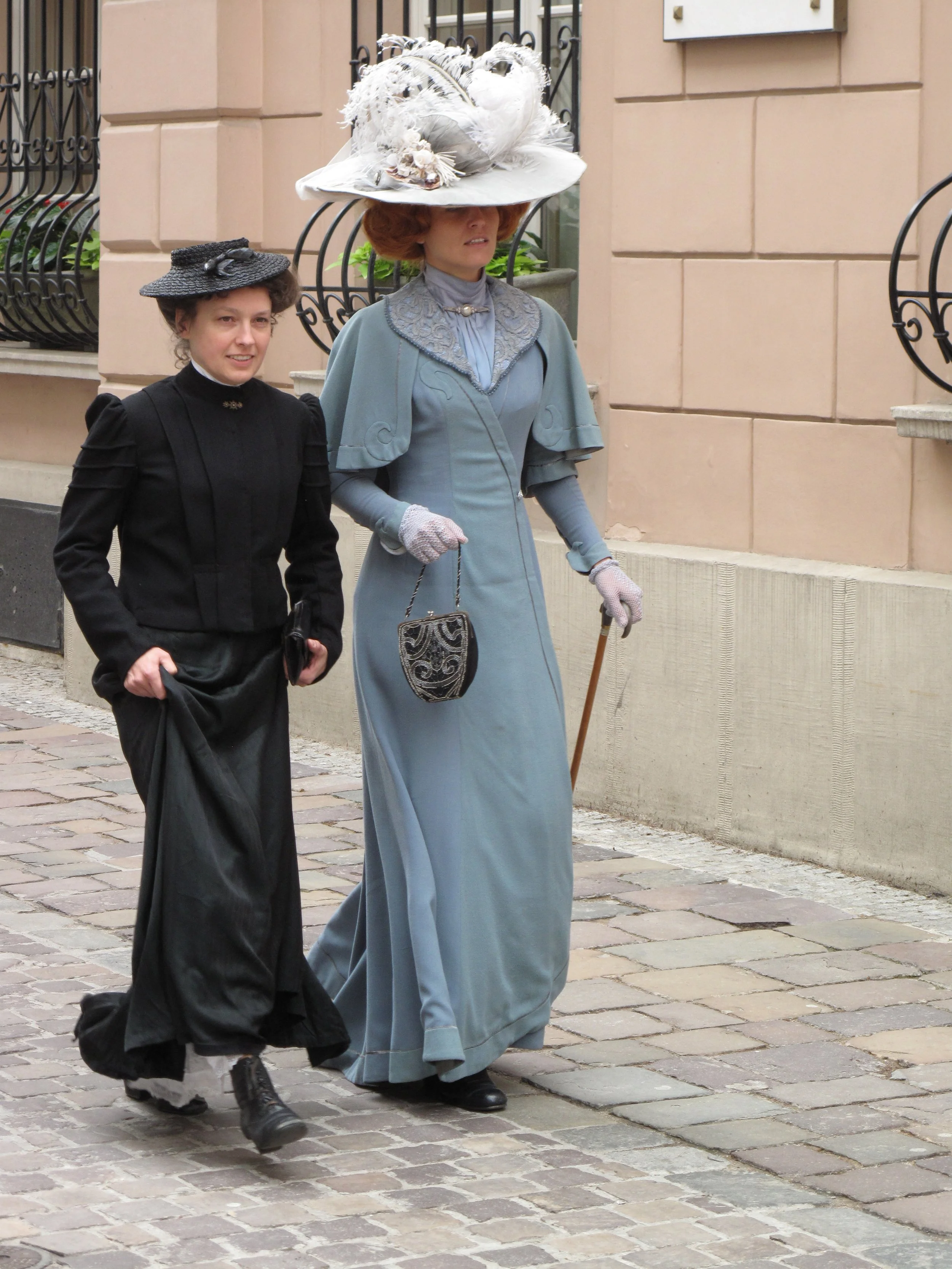
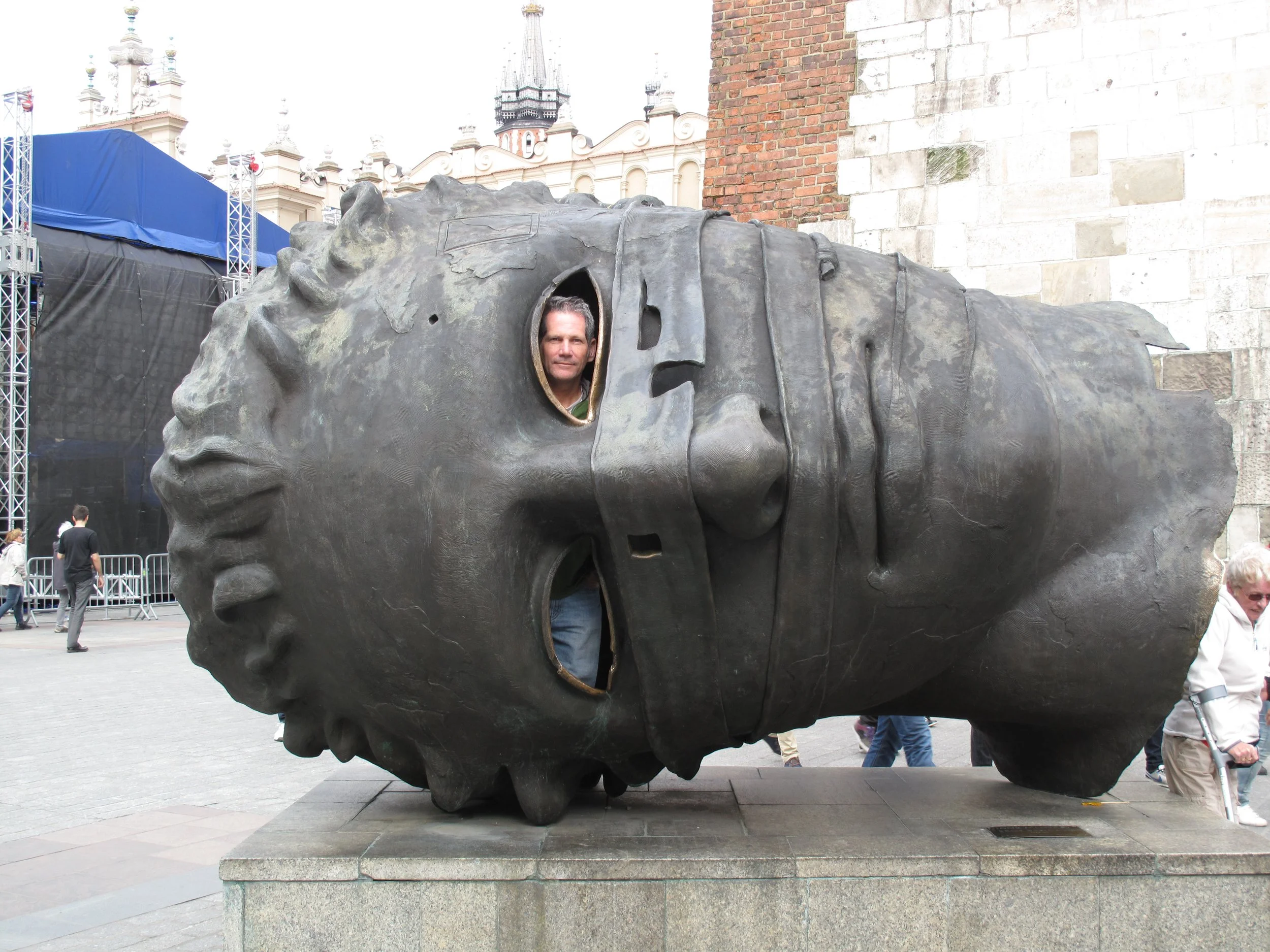
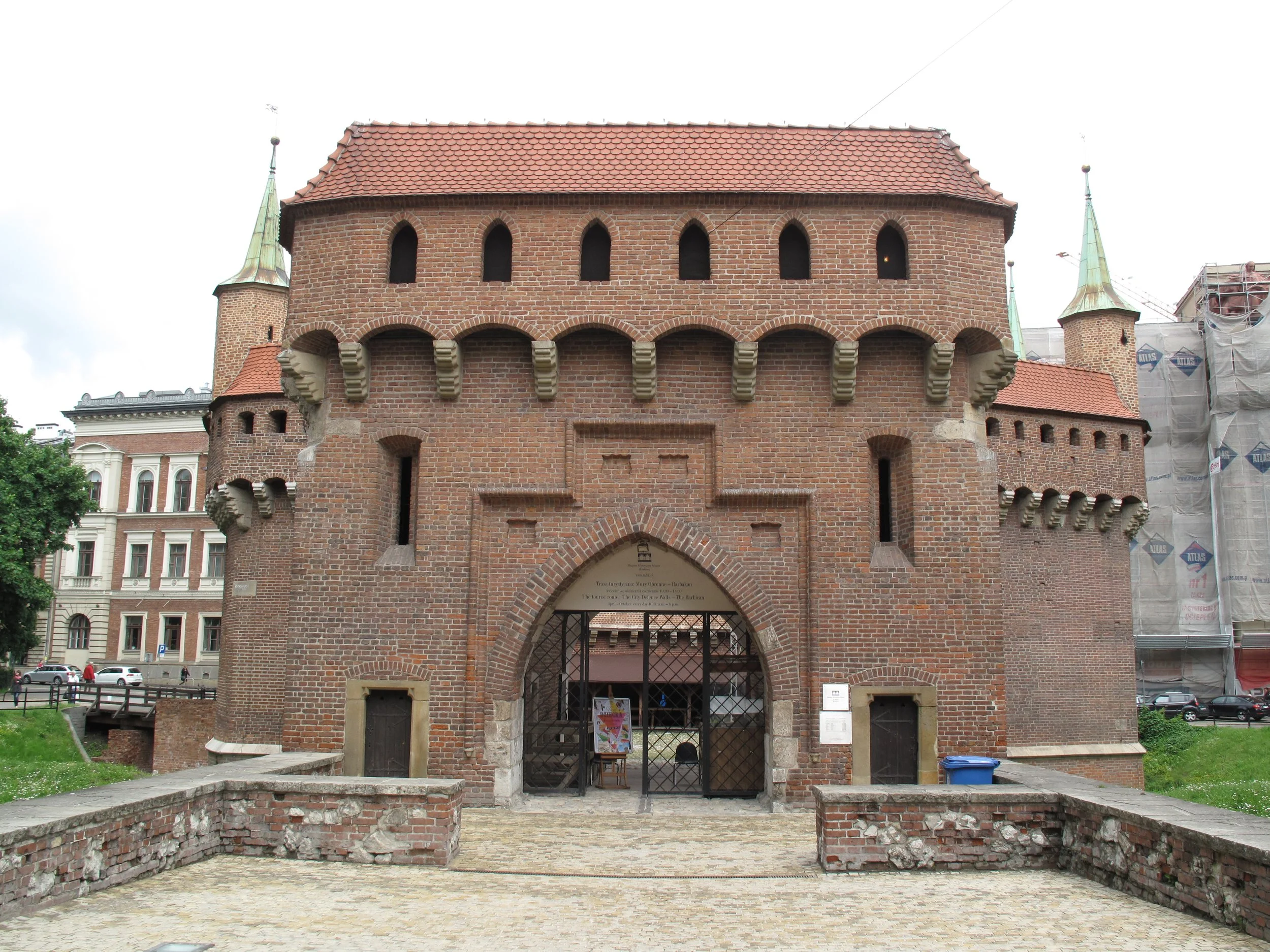
Our tour took us past Grodzka Street and Main Market Square, once the largest medieval market square in Europe. Along a side of the square is Eros Bendato, aka “The Head.” Created by Igor Mitoraj and lying horizontally with the ground, the statue depicts the head of Eros, Greek god of love and desire. Nearby is Cloth Hall, considered to be among the world’s oldest (700-year-old) shopping malls. Outside the city walls we stopped for a look at the round-shaped Barbican, a 500-year-old defensive fort.

We passed Collegium Maius, Jagiellonian University’s oldest building that dates to the 14th century. Originally known as Akademia Krakowska (Krakow Academy), the multi-story brick structure has exterior walls with bay windows. In the center was a courtyard and well. Upstairs there was dormitory space for professors while the ground floor had rooms used for tutorials and lectures. Among students who frequented the building in the late 15th century was the astronomer, Nicholas Copernicus. During the late 20th century, the building was transformed into a museum featuring globes, clocks, astrolabes, and other instruments used by Copernicus and other students.