Algeria. From the City of Bridges to the Pearl of the Mediterranean
Located high above deep ravines, the Algerian city of Constantine has been called “City of Bridges.” Positioned 122 kilometers northeast, the coastal city of Annaba is known within the country as “Pearl of the Mediterranean.” A friend and I had an opportunity to see both cities on a 2005 visit to North Africa. Our transportation was facilitated by a car driven by a local Berber man.
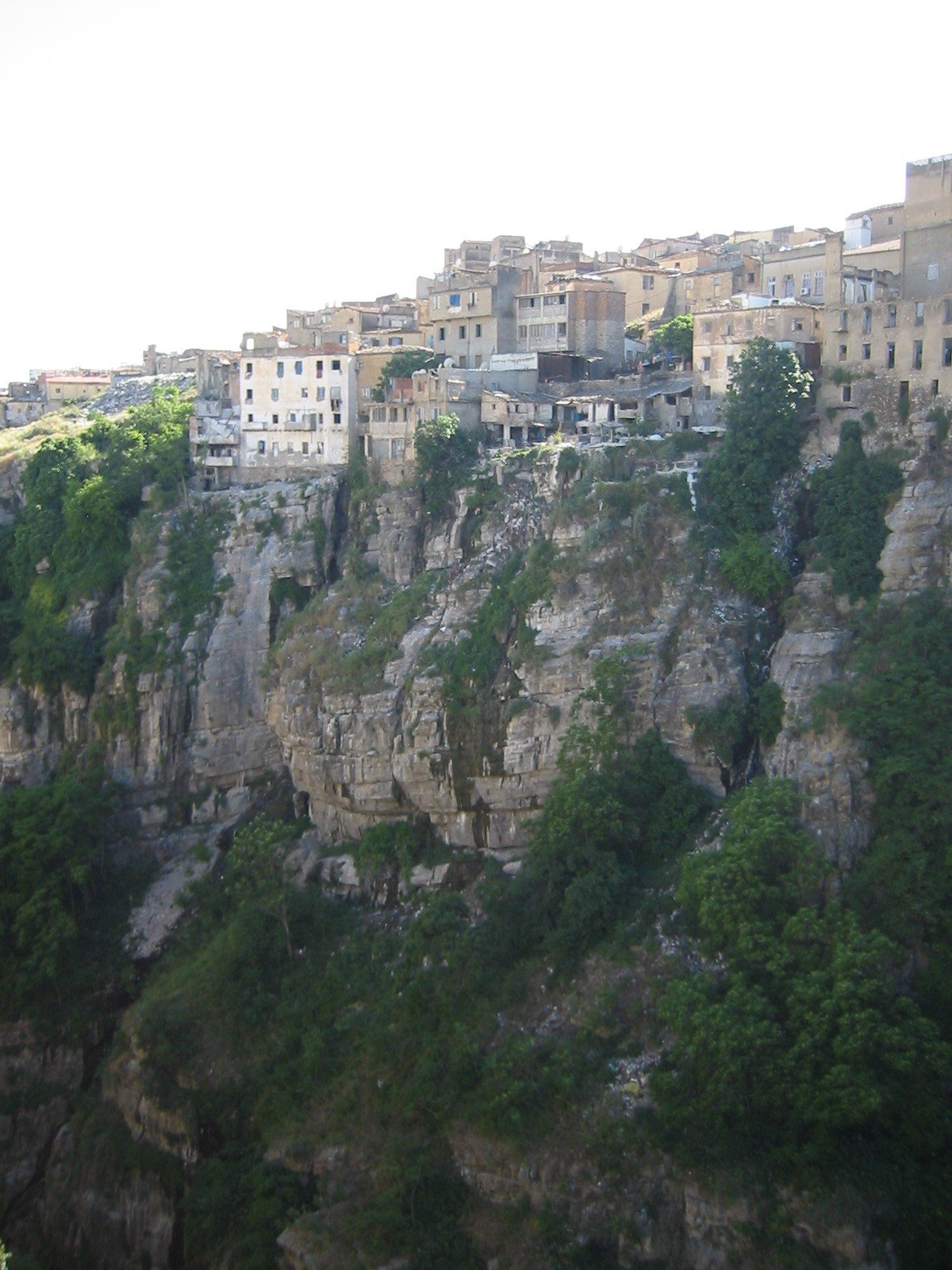
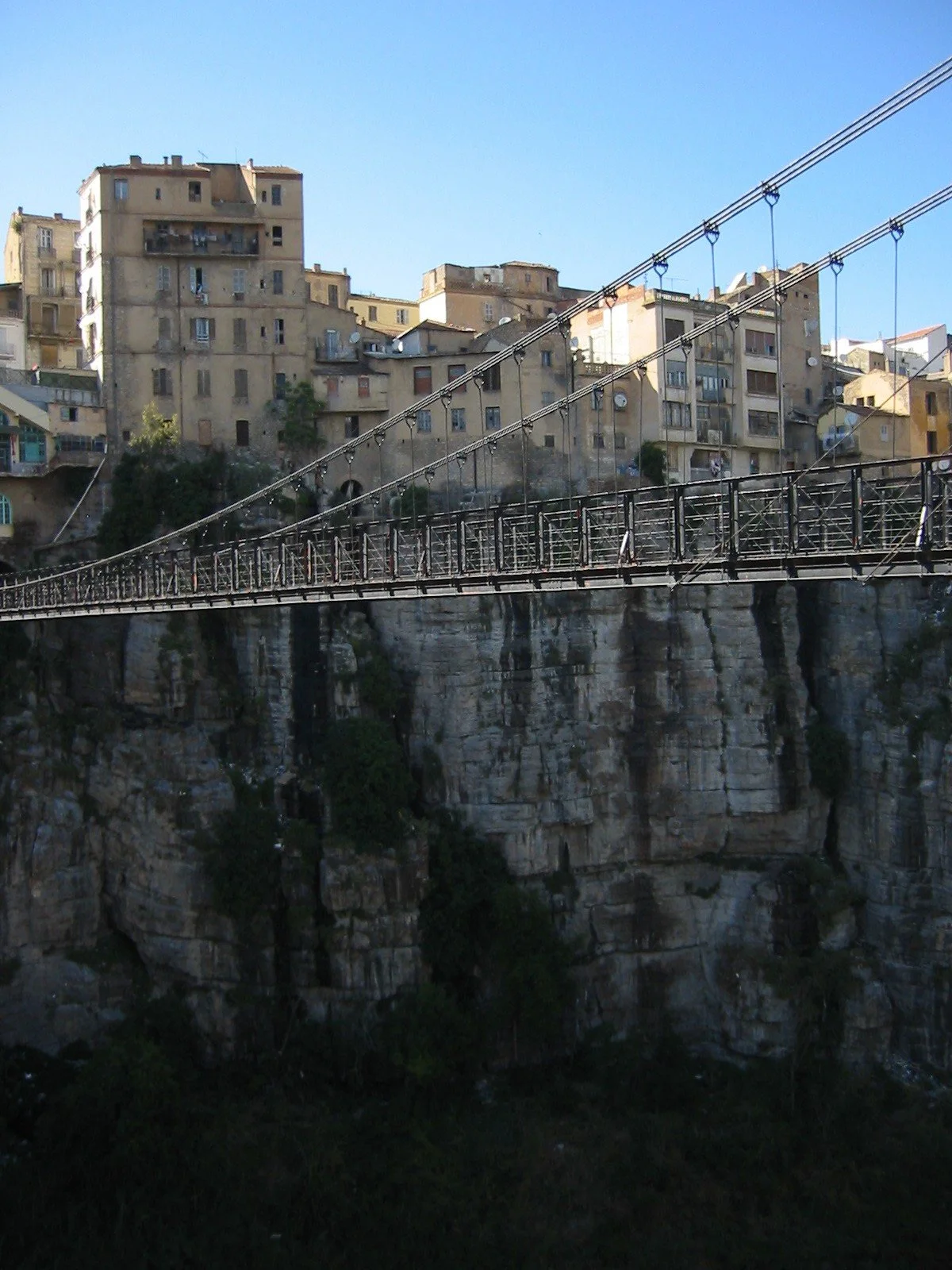
With a population of 450,000, Constantine lies along the banks of the 2,800 kilometer-long Rhumel River and at an elevation of about 640 meters. Deep (175m) chasms separate hills connected by seven suspension bridges including the 125-meter Mellah Slimane Bridge over the Rhumel. Opening in 1925, the Mellah Slimane Bridge connects the train station to the old town. Known as Sewa, Constantine was founded by the Phoenicians before the 3rd century BC. The Romans called the city Cirta and later Constantine in honor of Emperor Constantine the Great (272-337). During Roman rule, the city was a center for exporting wheat. Captured by the Vandals in 432, Constantine was later incorporated into the Byzantine Empire. Arabs conquered the city in the 8th century and during the 19th century, Constantine and much of North Africa was annexed by the French. During French occupation the city had two parts, the older casbah (citadel) and a more modern section with European-style streets that cross at right angles.
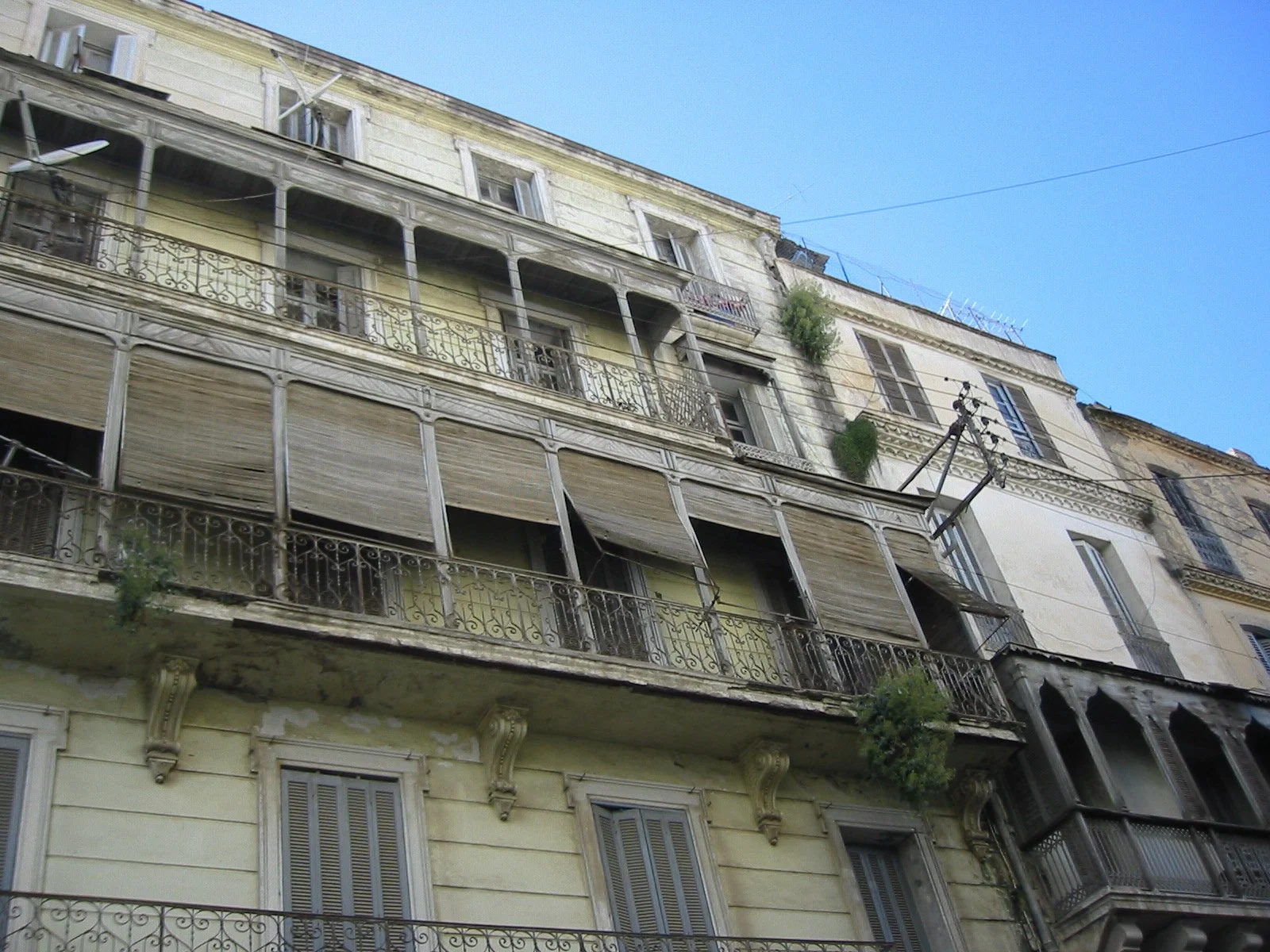
Today, the city has Numidian, Roman, Muslim, Ottoman, and French architectural elements and is known for elaborate metal artwork created by artisans using stamps and small hammers. After negotiating the Mellah Slimane Bridge, my colleague and I entered the old city. Relaxing in outdoor cafes were groups of men sipping coffee from tiny cups. We walked around the bluff for better views of buildings perched high above a deep ravine.
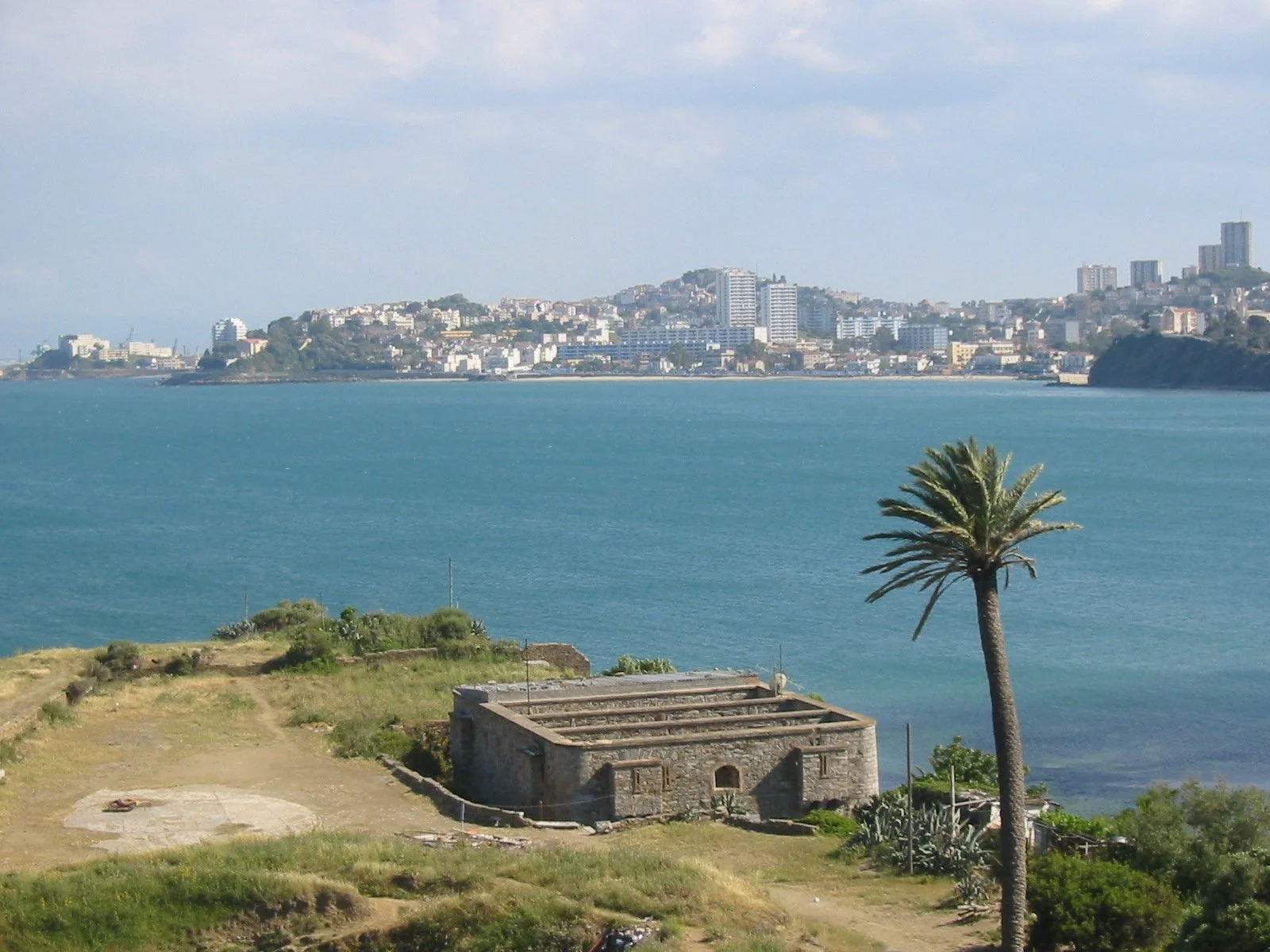
Known to the French as Bône, Annaba (population 263,000) rises over oak covered slopes of the Edough hills. The city’s natural harbor is situated between Cape Rosa to the east and Cape Garde to the north. Locals sometimes call the city “La Coquette,” a name meant to capture the beauty of Annaba’s pristine beaches and attractive corniche. The city has a long history beginning with Phoenicians who established a trading center called Hippo in the 12th century BC. Soon after, the city became a node on the Mediterranean’s “grain route.” During Roman occupation, Hippo’s vibrant seaport was called Aphrodisium and like other settlements within the empire, Roman Hippo had a forum, thermae (baths), and villas occupied by wealthy citizens. Made a center for Christian thought by St. Augustine, the city was destroyed by the Vandals in 431. In the early 12th century, it was captured by the Kingdom of Sicily and later by the Almohads. During French occupation its port became a center for fishing and shipping minerals such as iron ore and phosphorus. The French introduced sidewalks and wide boulevards including the Cours de la Révolution. The heart of the old city is its casbah (fortress). Culturally, the city blends elements of French, Berber, and Arab culture. It’s possible to find buildings with Art Deco, Neo-Moorish, and Neo-Classical designs.
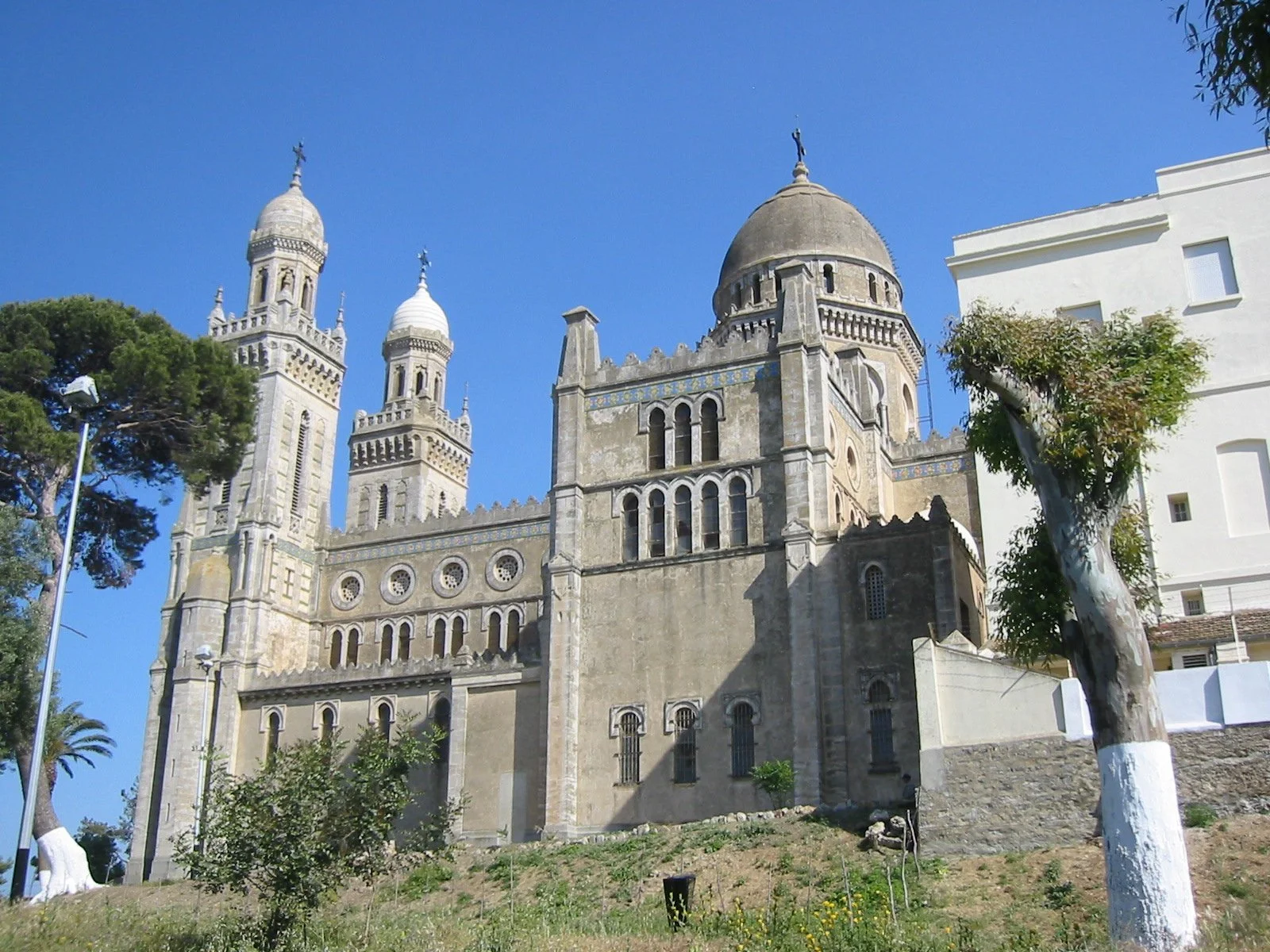
The Basilica of St. Augustine is a catholic church located in Annaba and dedicated to St. Augustine of Hippo who died during a siege by the Vandals in 430. With archways that project Roman, Byzantine, and Moorish architectural styles, the structure is made from stone imported from France. Inside is a statue that contains one of St. Augustine’s arm bones (a relic) that is displayed in a glass tube.
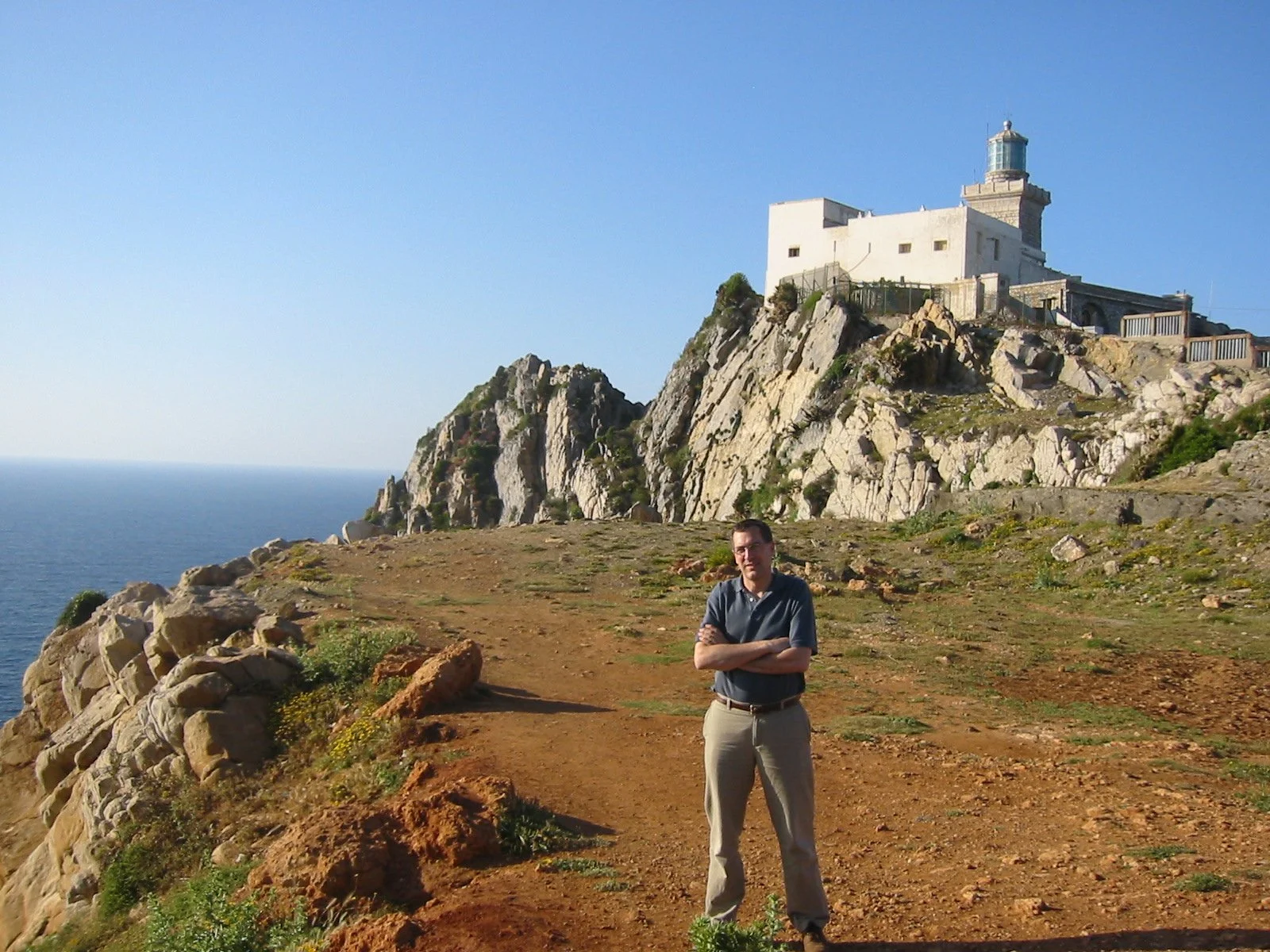
The Cap de Garde Lighthouse was built by the French in 1862. Flashing once every five seconds, the 17.5-meter-tall square tower’s light can be seen 50 kilometers away. Below the tower is living space for a caretaker.