Ethiopia. Life in Ethiopia’s Great Rift Valley
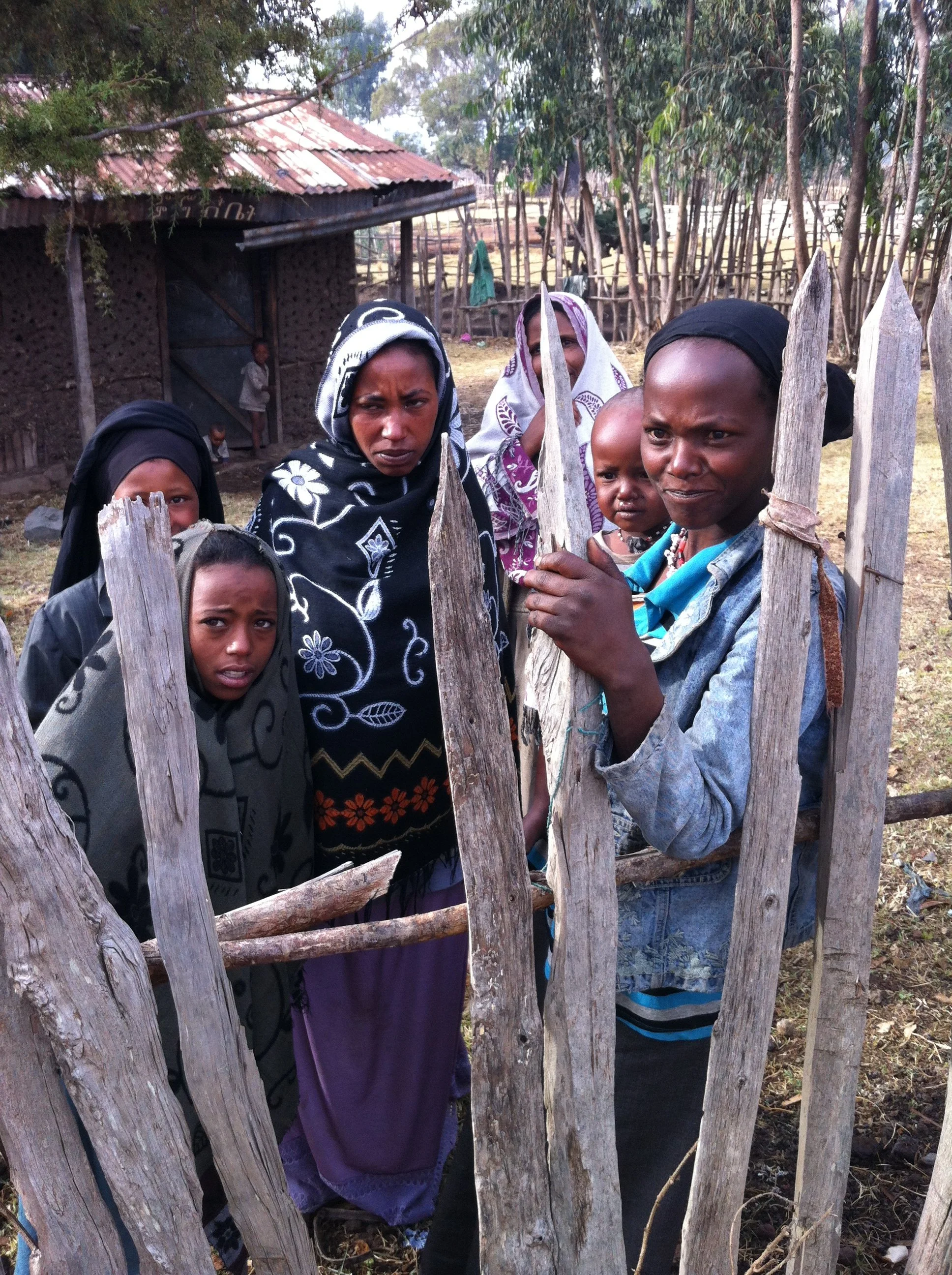
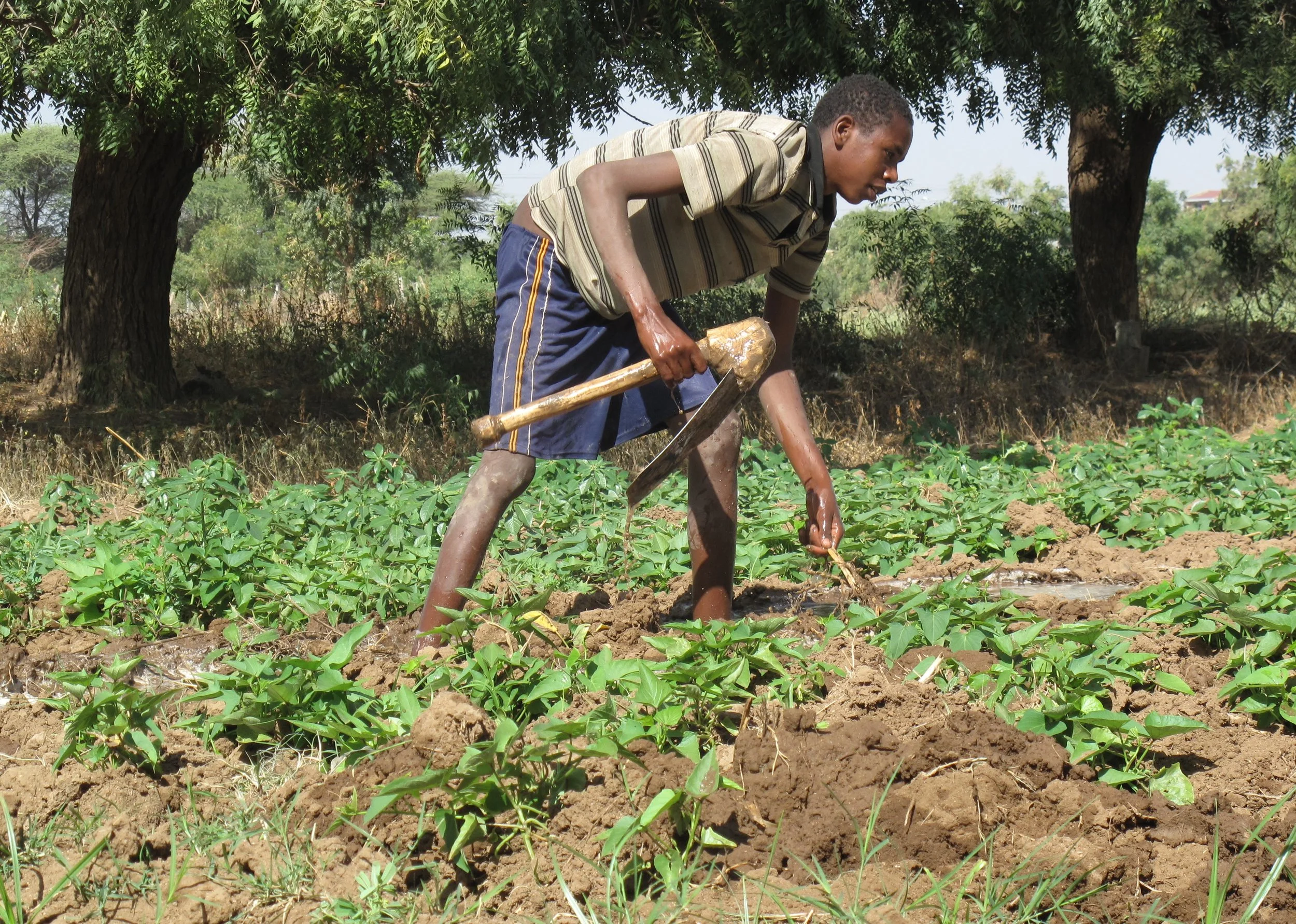
Compared to East African countries known for big game such as Kenya and Tanzania, Ethiopia is not a popular tourist destination. Located in the Horn of Africa, the country’s neighbors are Eritrea to the north, Djibouti to the northeast, Kenya to the south, and Sudan and South Sudan to the west. It is a mostly rural nation. Ethiopia is also diverse with more than 80 ethnic groups, the result of hundreds of years of migration and trade. Newcomers include refugees from Somalia and Eritrea. Geographically speaking, the country has lush, rolling hills and a climate favorable to agriculture. Smallholder farmers produce wheat, barley, oats, corn, millet, and sorghum with seeds planted in the summer and crops harvested in the late fall. Ethiopia is among Africa’s leading nations in livestock production. Departing the city of Hawassa, I recalled someone saying that to know Ethiopia is to understand its countryside.
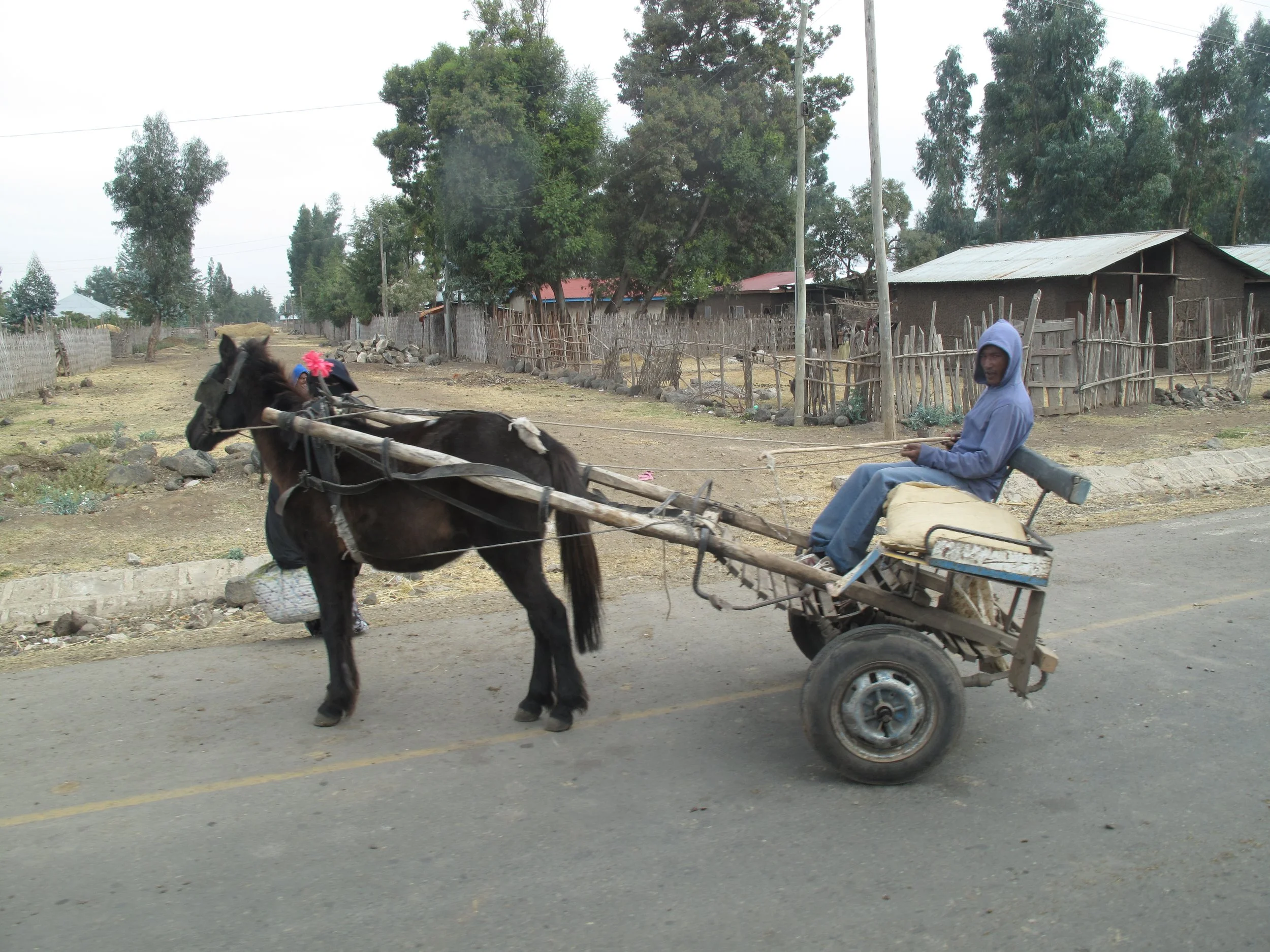
Rural Ethiopians depend on roads for nearly every economic and social activity. Paved or unpaved, they are arteries for carrying water, delivering the harvest to market, and transporting animals. Most of the country’s roads are bumpy, pothole filled affairs. Traveling on “good roads” it may be possible to reach speeds of up to 40 kilometers per hour. Good or bad, unpaved roads may become muddy and impassable during periods of heavy rain.
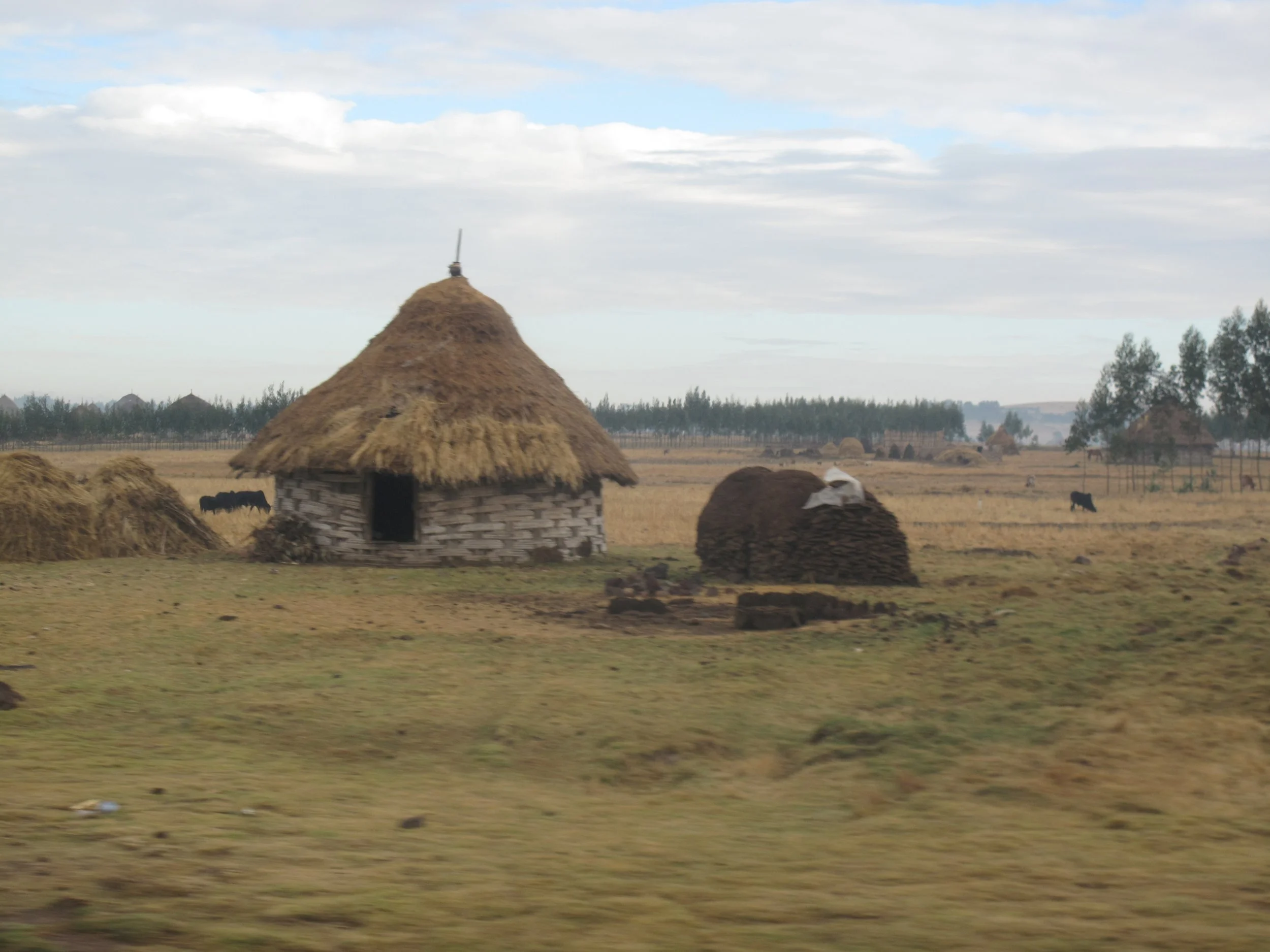
The Ethiopian section of the 4,000 kilometer-long Great Rift Valley extends from the Red Sea to Lake Turkana. Dipping 116 meters below sea level and containing both freshwater and alkaline lakes, the valley divides Ethiopia into Eastern and Western Highlands. Our drive took as along the marshy edge of Lake Awassa. Although its brownish water appears polluted, the lake is among the cleanest in the region. For local fishermen it is a source of Nile perch, tilapia, and catfish. Our drive took us past several villages. Traditional round-shaped houses in rural Ethiopia are called tukuls. Constructed from packed earth and wood and topped by a thatched roof, tukuls are often positioned close to a family’s farm plot to maximize accessibility. Electricity and running water are rare.
Ethiopia is a country with food that is rich in flavor. Among other dishes I sampled was a traditional stew called doro wot that is prepared with egg and chicken. In lieu of being consumed with utensils, the wot is scooped up with pieces of injera, a type of sourdough flatbread made from teff flour. Injera is always held with one’s right hand. Pork is rarely consumed since Islam, Judaism, and the Ethiopian Orthodox Church prohibit the consumption of food associated with pigs. Ethiopia is famous for the quality of its coffee so my companions and I felt fortunate to participate in a “coffee ceremony.” Coffee is traditionally served during gatherings of family and friends. The ceremony begins with cleaning and roasting green coffee beans in a skillet. The coffee is then ground and brewed in a jebena, a traditional clay pot with a long neck.
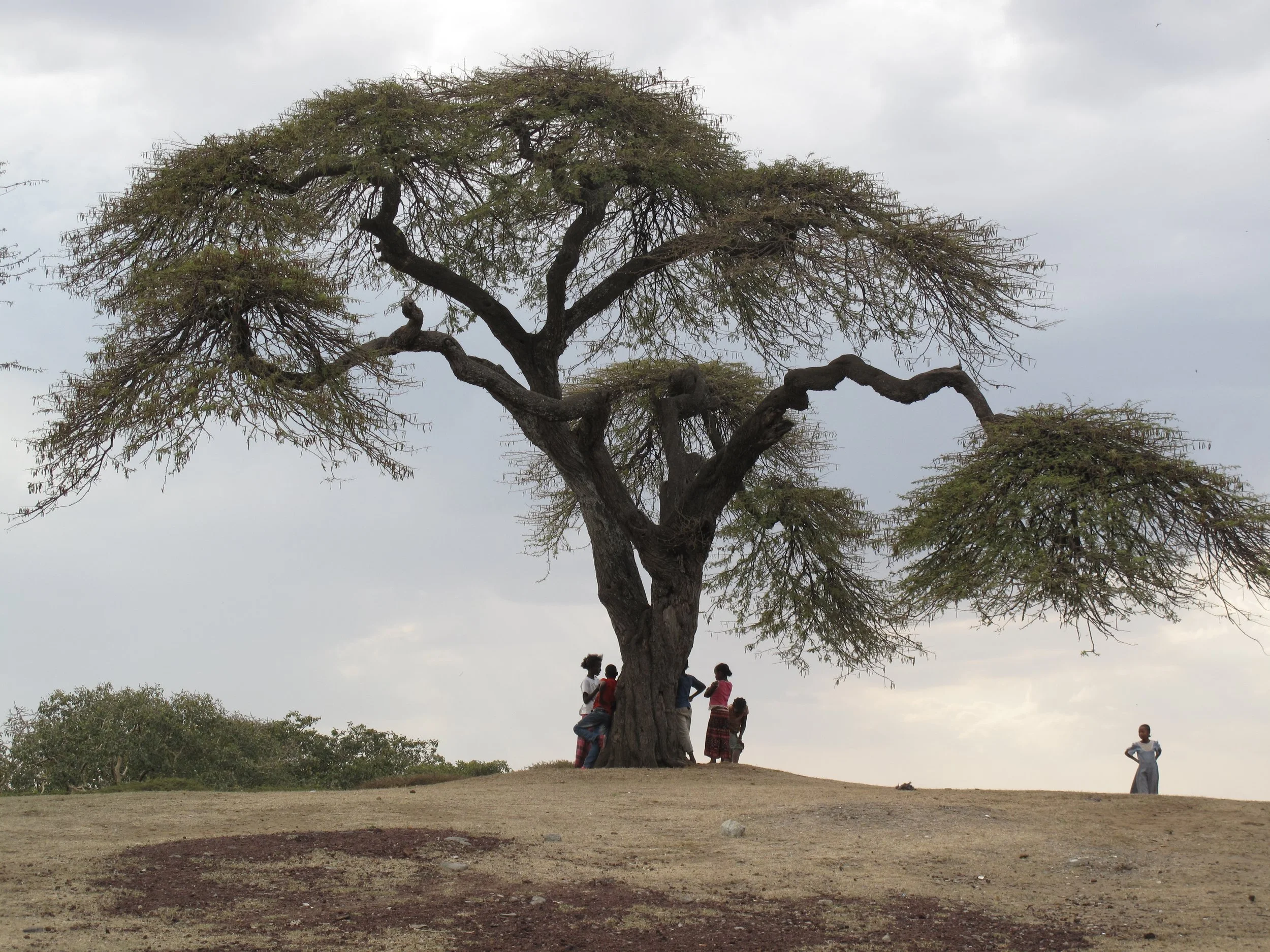
Acacia (aka “umbrella thorn”) are iconic trees of the Great Rift Valley. Known locally as grar, drought-resistant acacia trees are a source of fodder and produce edible seed pods. In addition, their dense red trunks and branches are used for fuelwood. A common sight near sources of water is the Great cormorant which feeds on bottom-dwelling lake fish. The birds are distinguished by a black body accented with a white throat and breast. Although capable of diving to depths of up to 30 meters, most find food within 10 meters of the water’s surface.
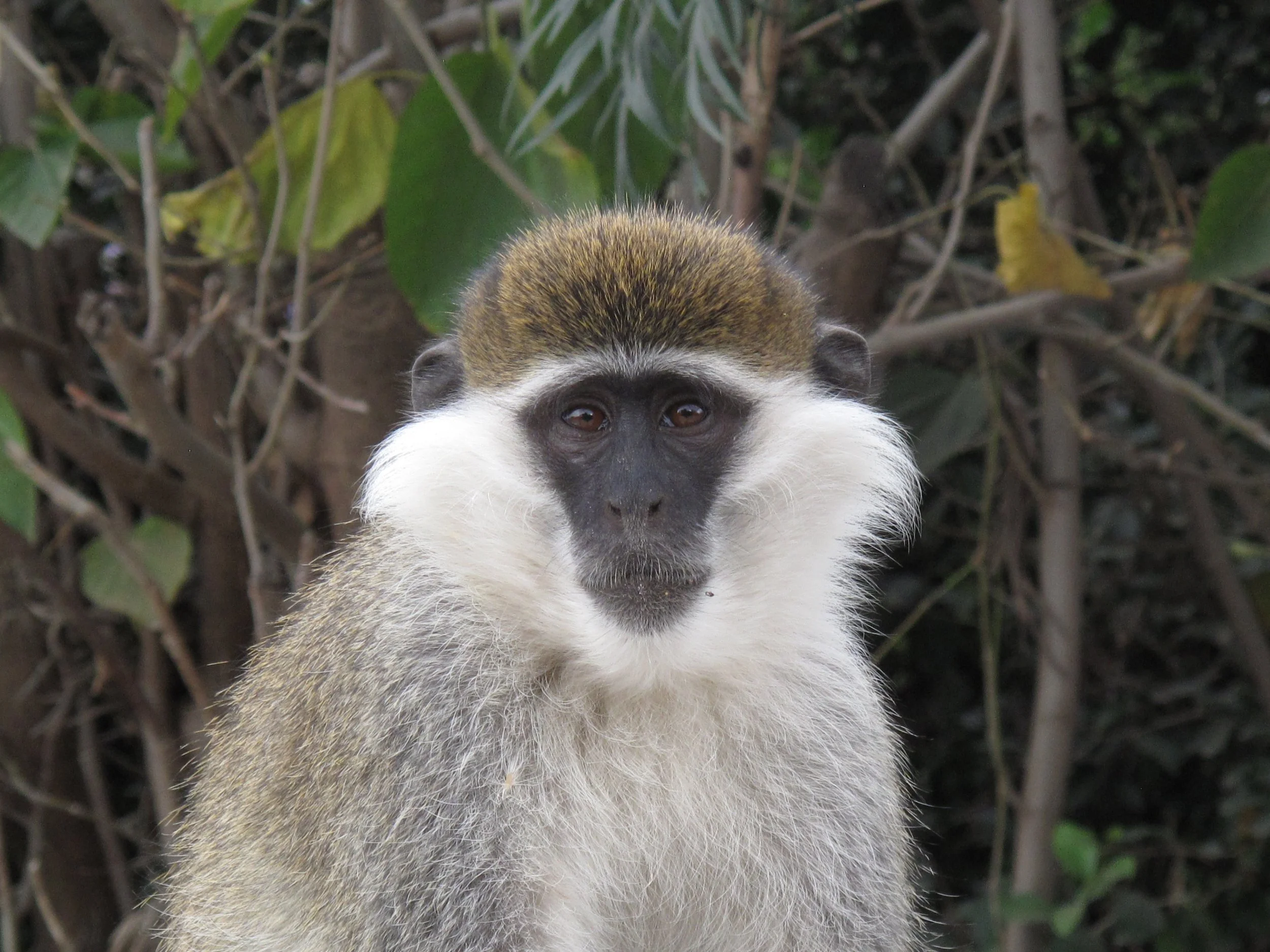
Stopping near a village, we came eye to eye with a grivet monkey. Grivets are Old World monkeys found in woodland and savanna areas of Africa’s East Rift Valley. The primates have long tuffs of white hair along the sides of their faces. Weighing between 3.4 and 8 kilograms, the monkeys are also distinguished by their olive-colored fur and may be seen walking on all fours or running on hind legs. Grivets live in troops of five to 70 individuals and eat vegetables, insects, and small birds. In some villages grivets are hunted as bushmeat.